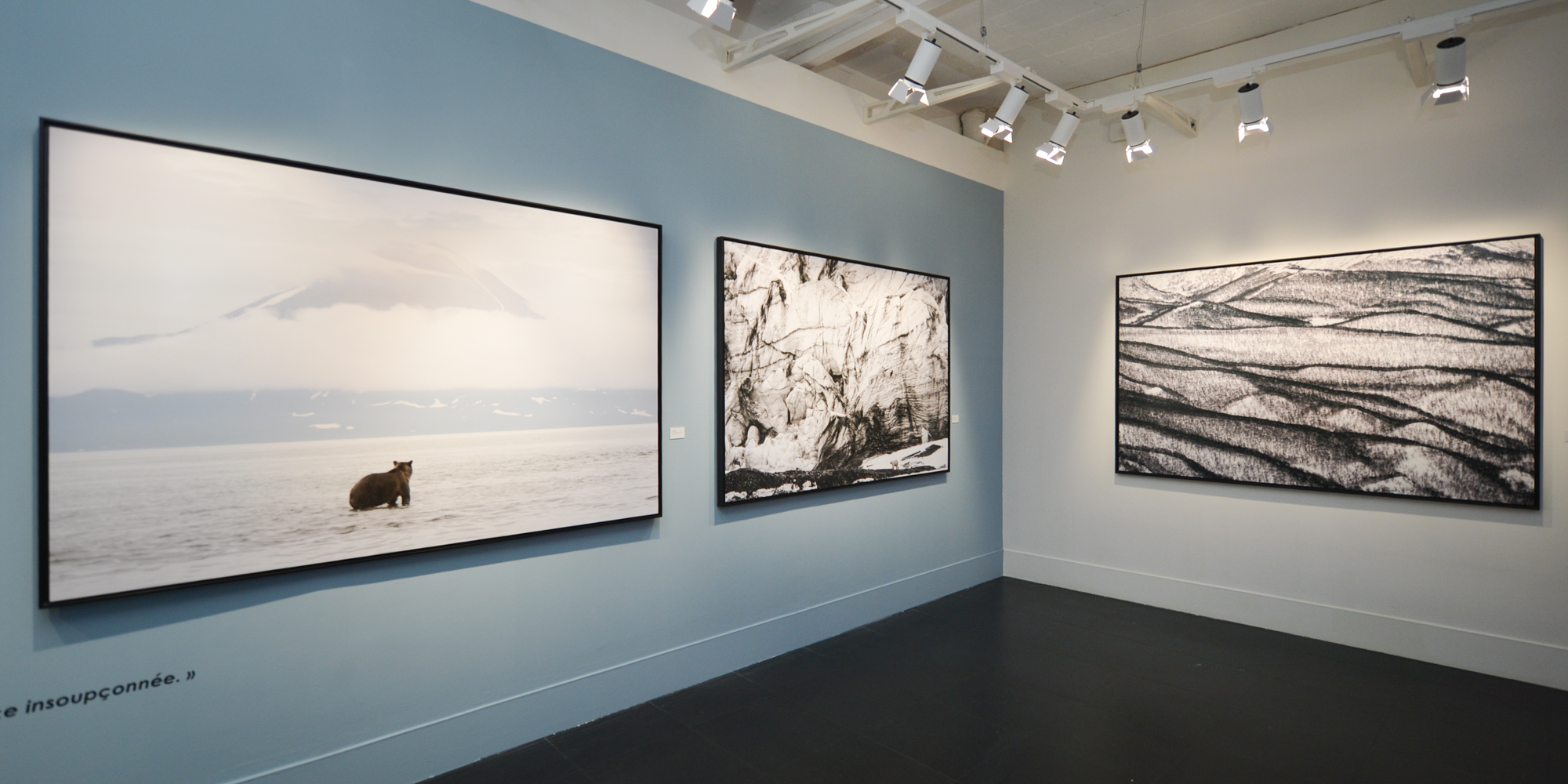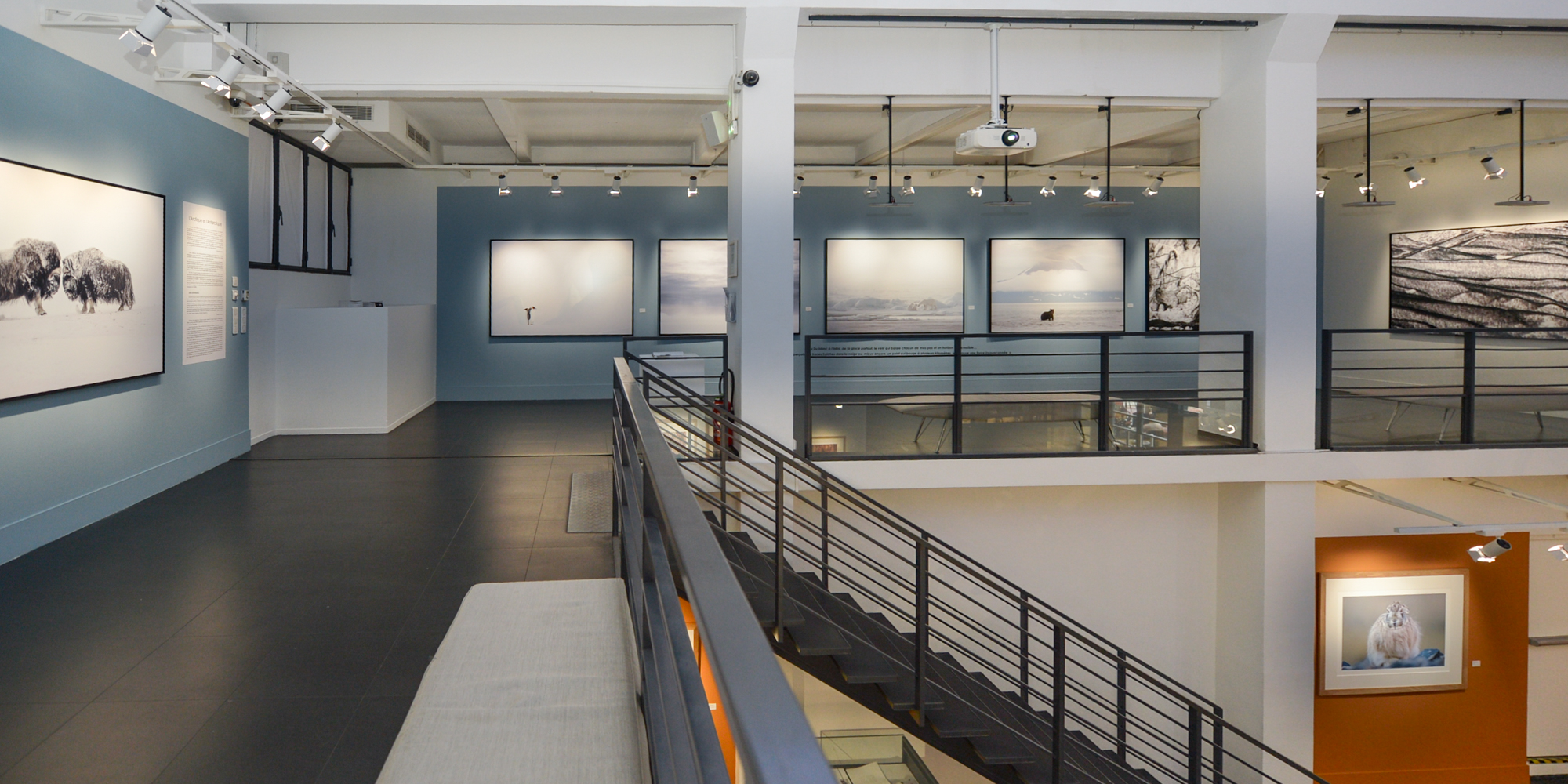
Strasbourg Regional Council Building
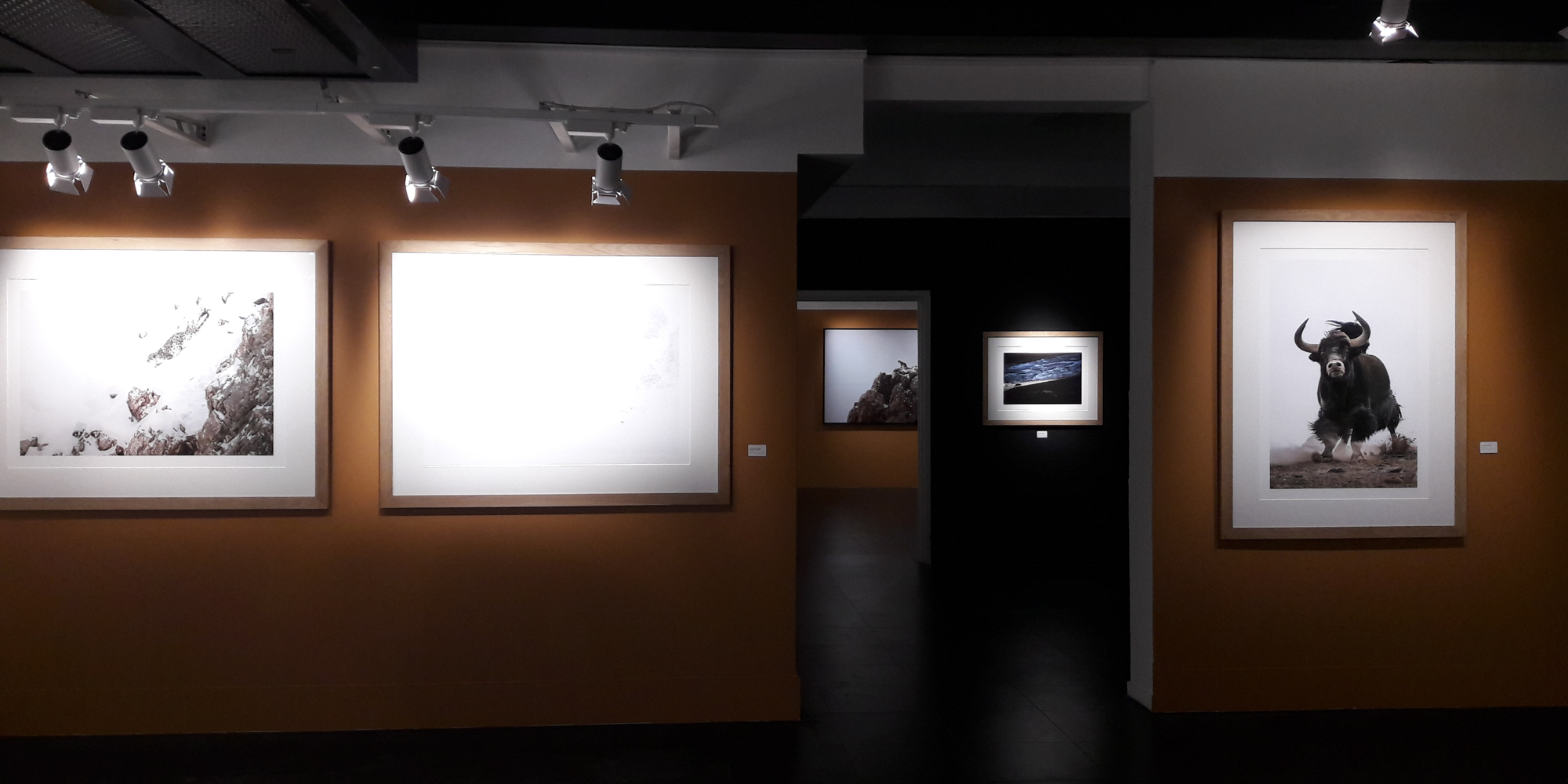
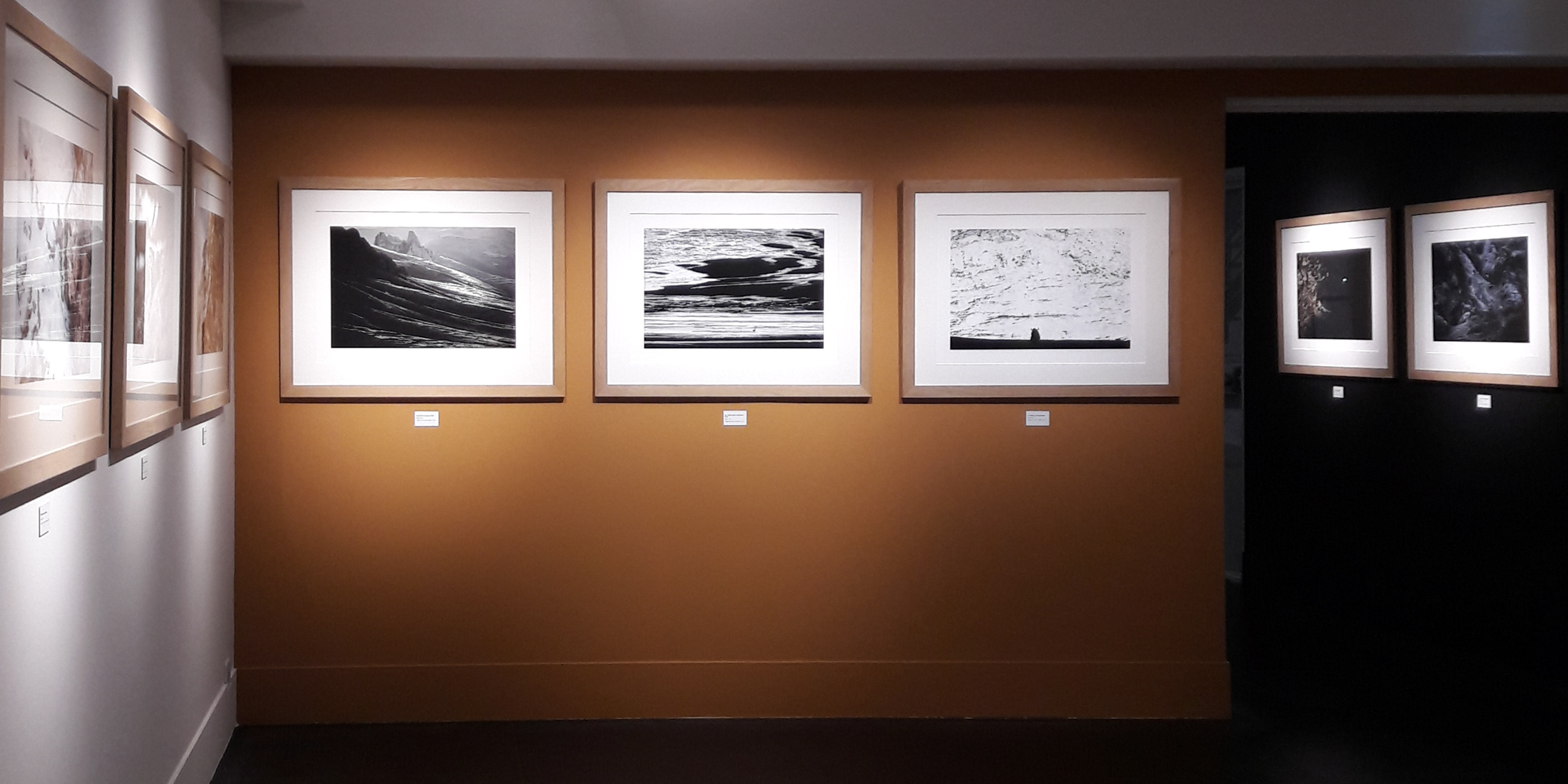
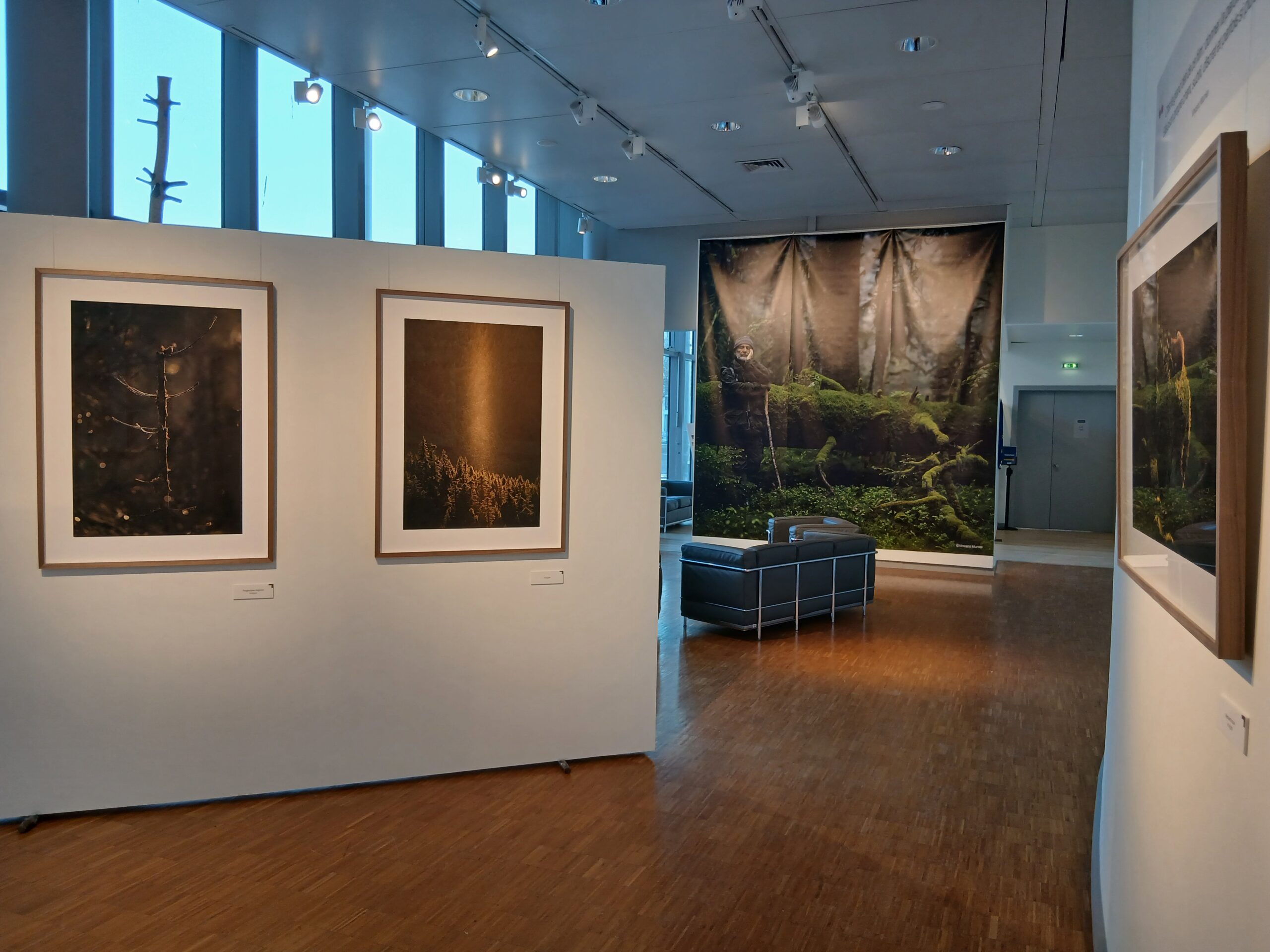
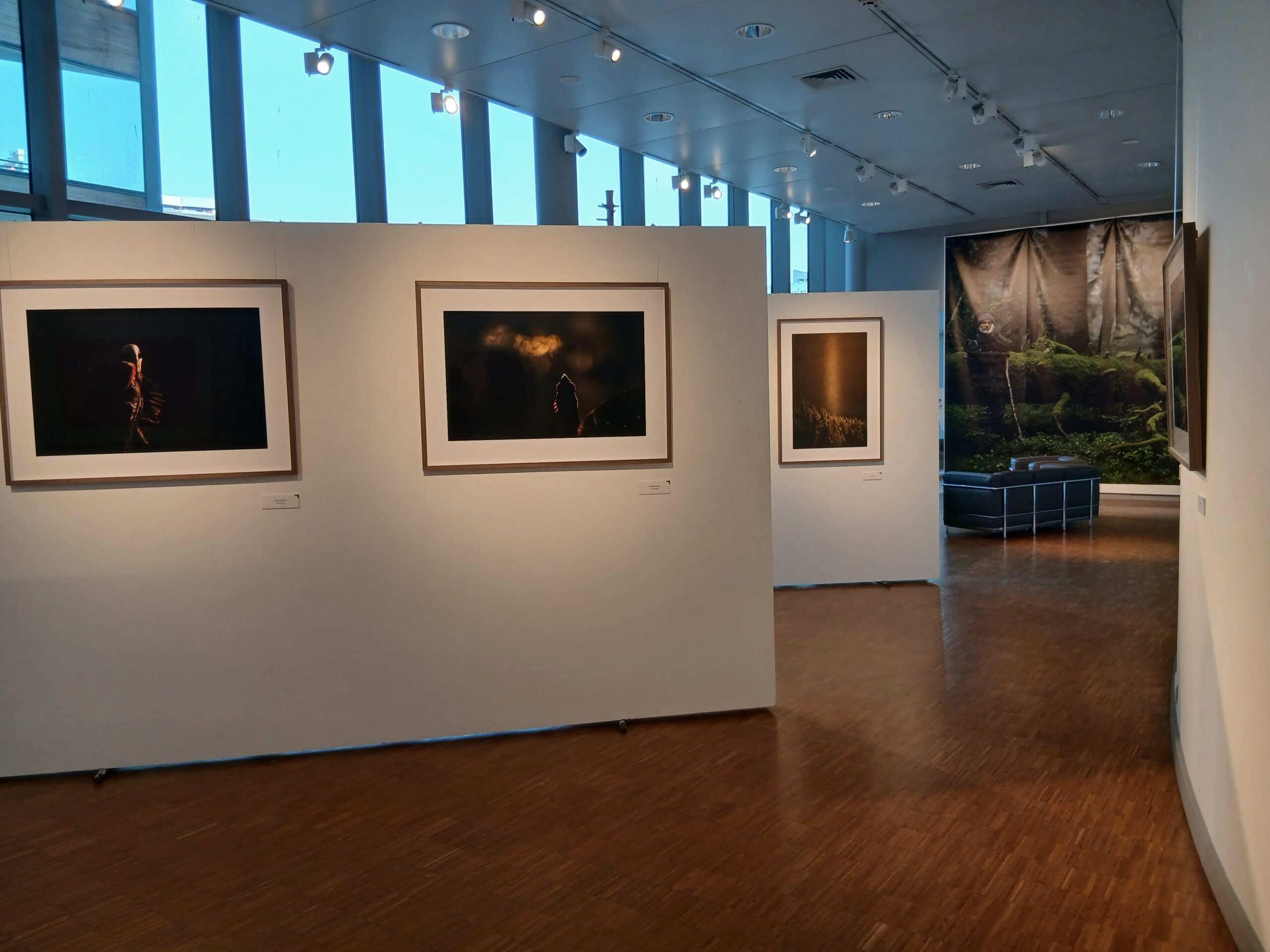
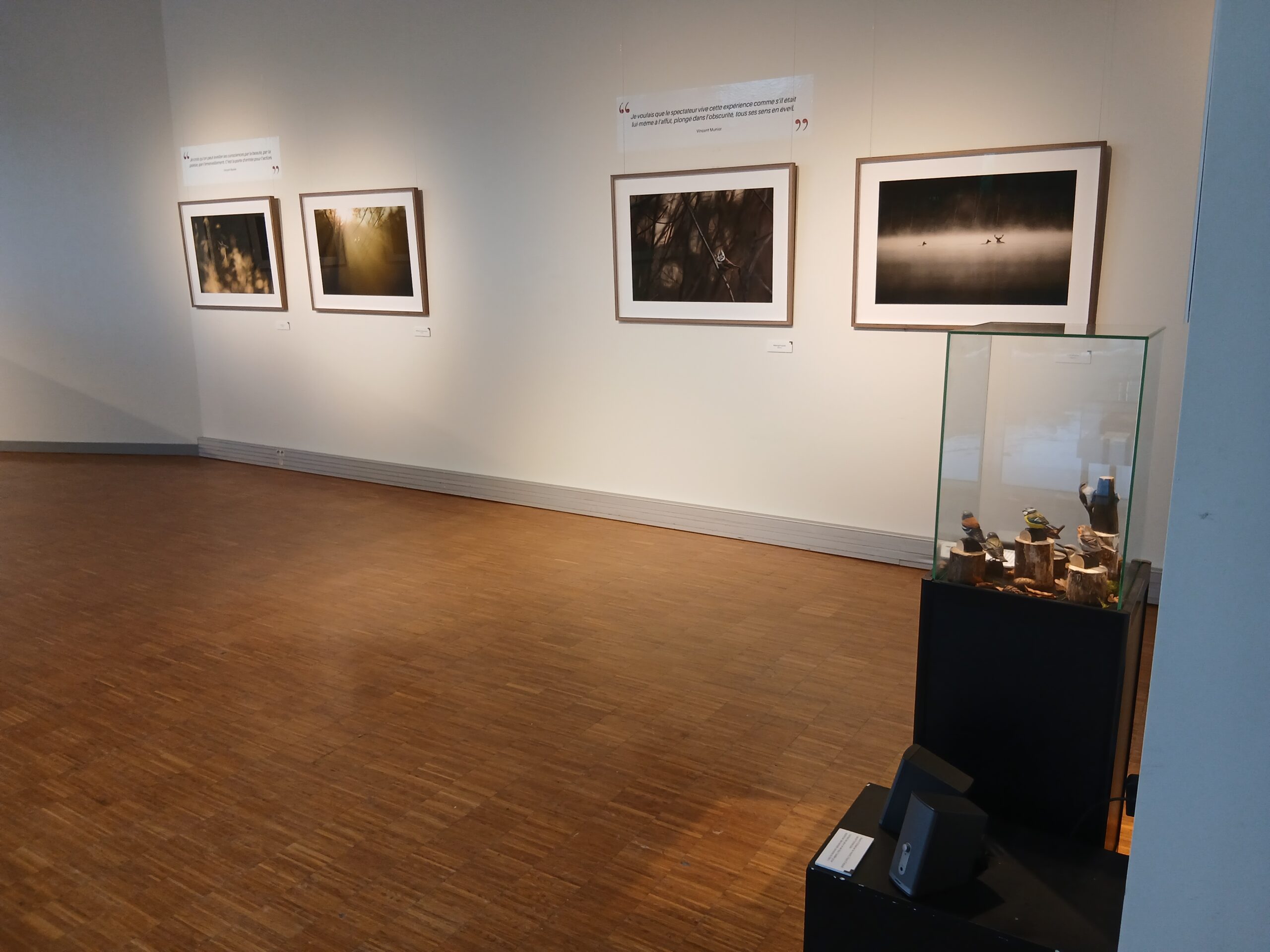
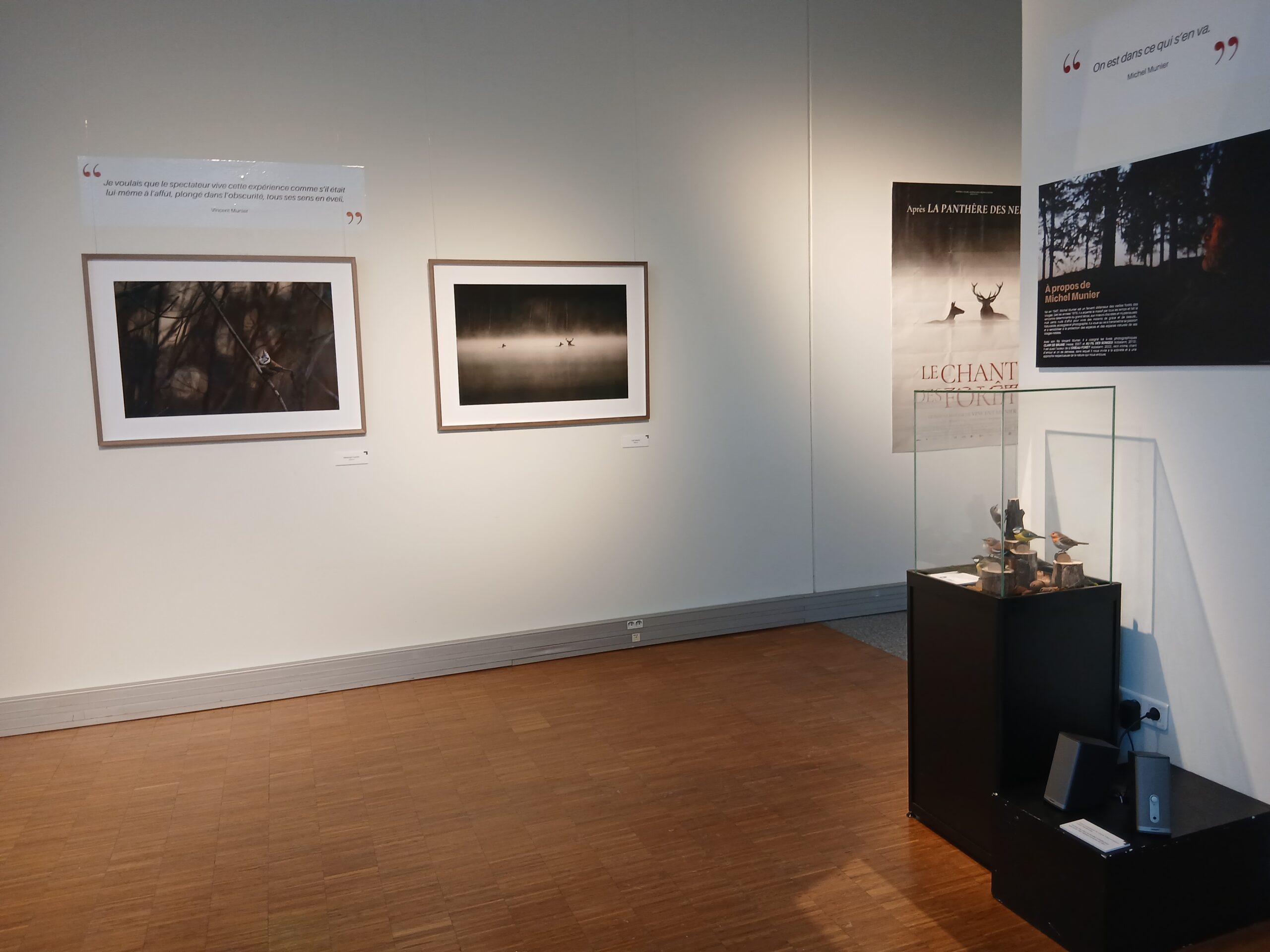
Come and discover Vincent Munier's photography exhibition based on the film Le Chant des Forêts, released in theaters on December 17, 2025. This exhibition is presented by Kobalann, in partnership with the Grand Est Region. To date, more than one million viewers have already seen the film in theaters.
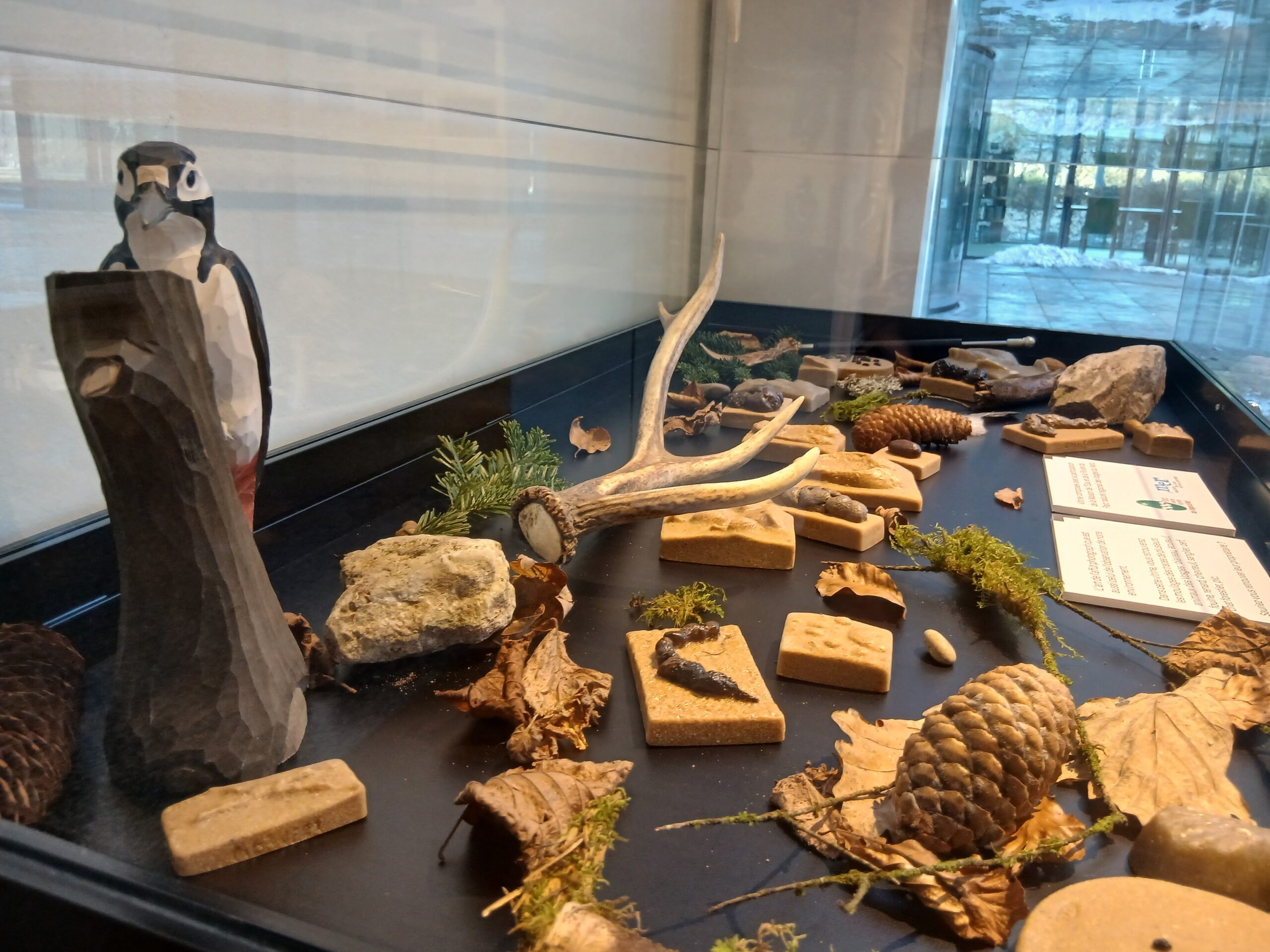
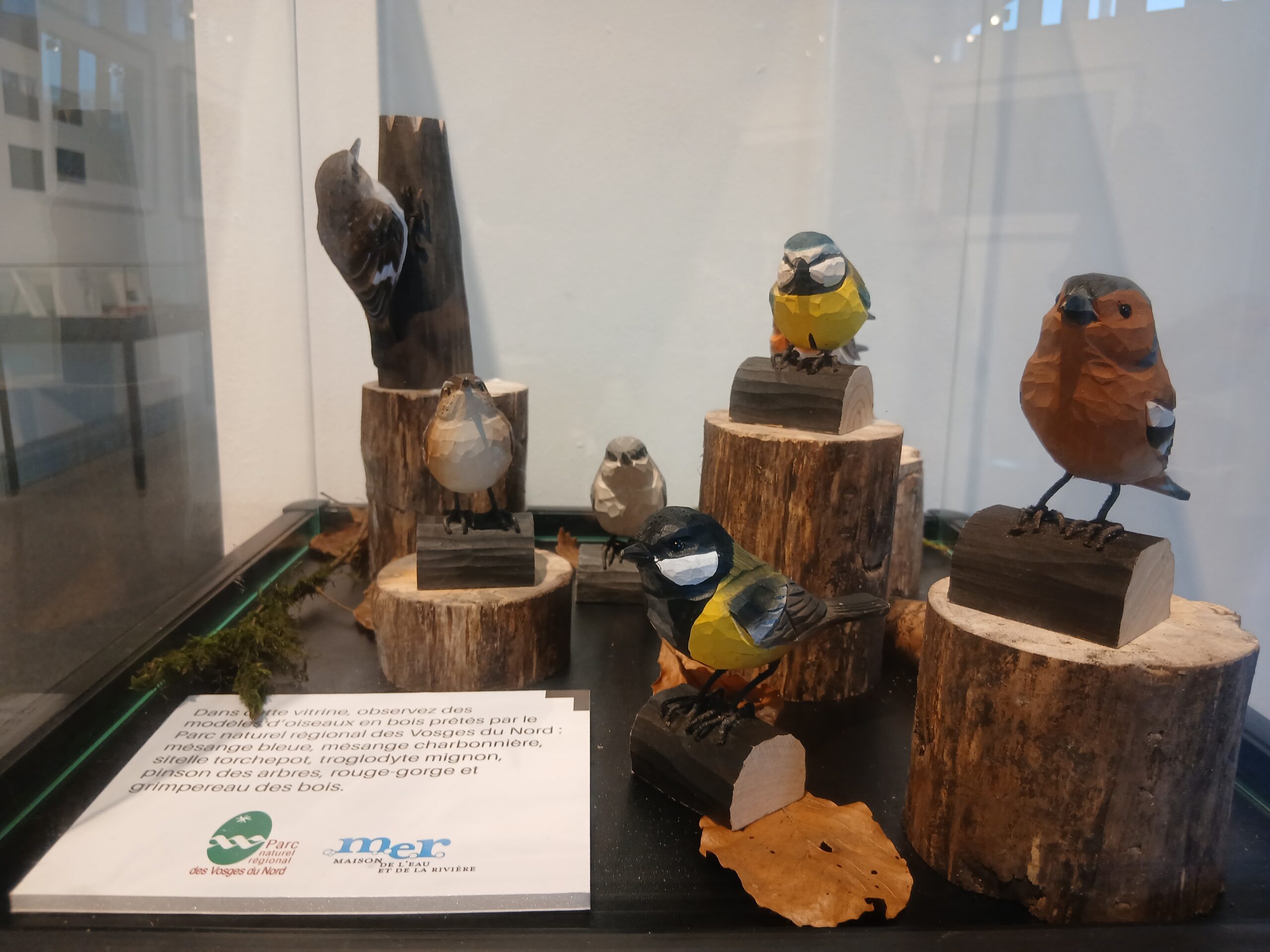
This exhibition benefited from the support of the Maison de l’Eau et de la Rivière (Water and River Center) of the Northern Vosges Regional Nature Park and the Rochers et Tourbières du Pays de Bitche Nature Reserve (for the creation of display cases showcasing wildlife).
After their presentation at the Montier-en-Der Wildlife Photography Festival in November 2025, come and admire the winning photos from the "Natura 2000, au fil des saisons" competition!
Monday to Friday, 8:30 a.m. to 5:30 p.m. (free admission)
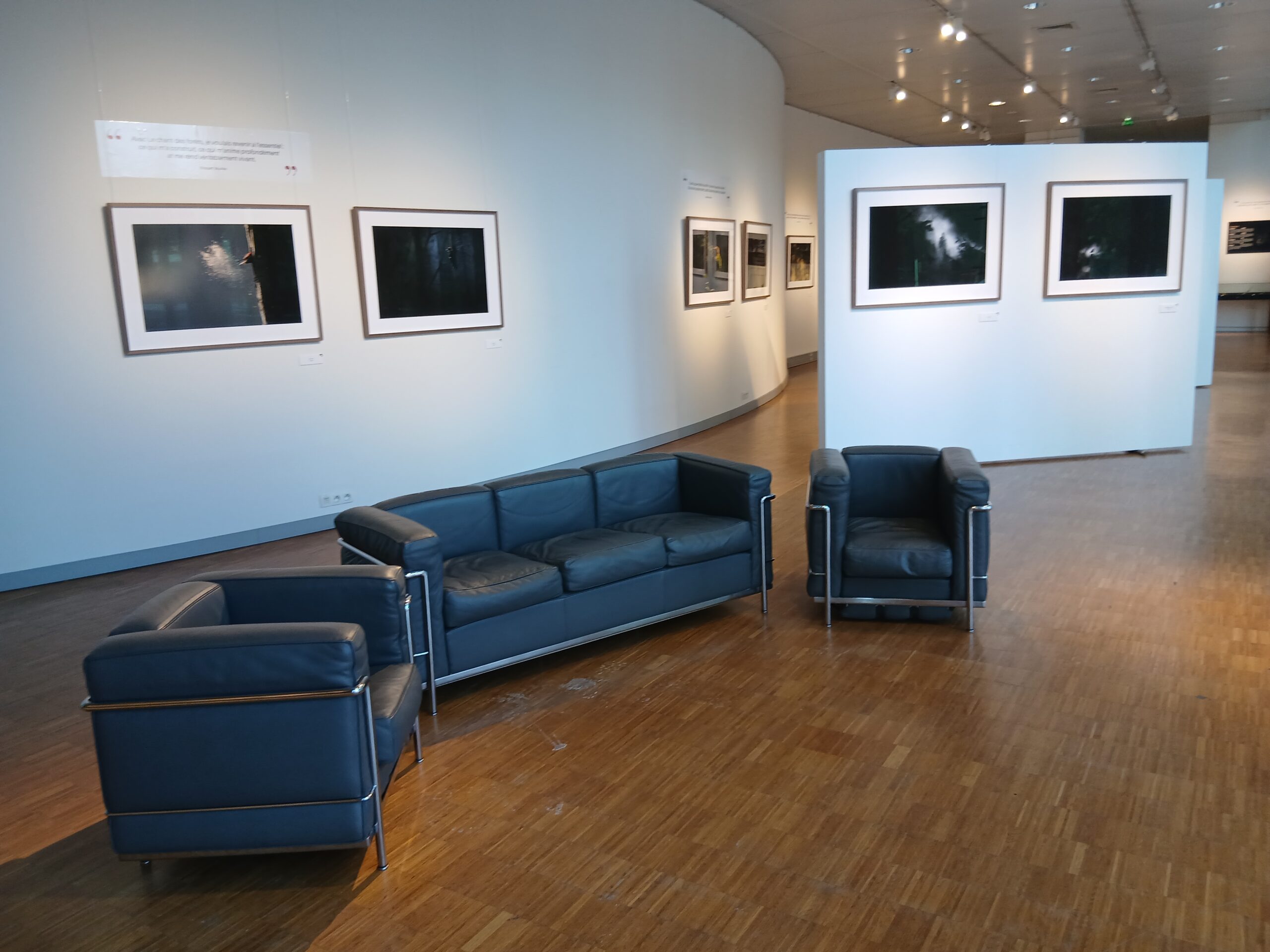
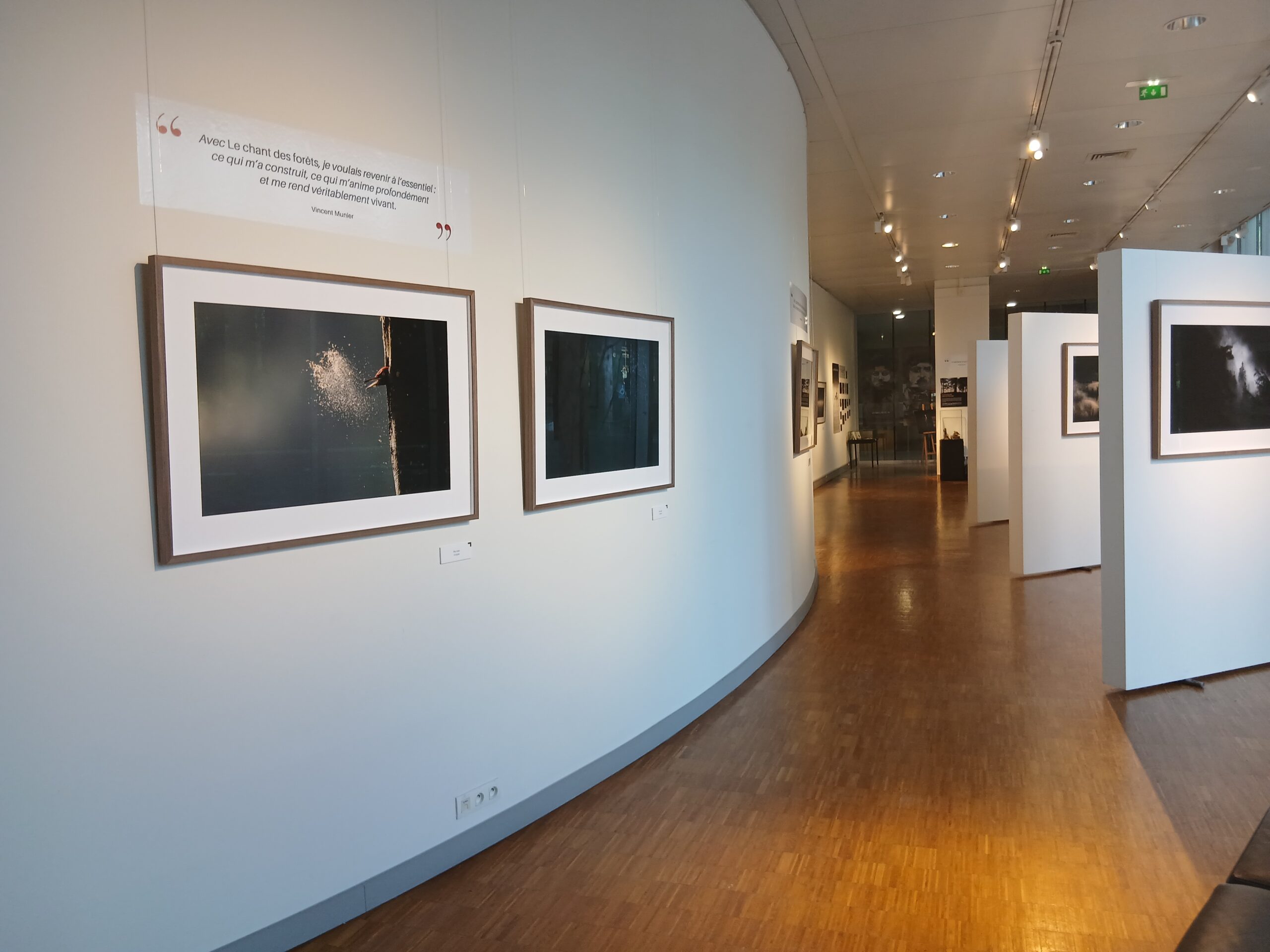
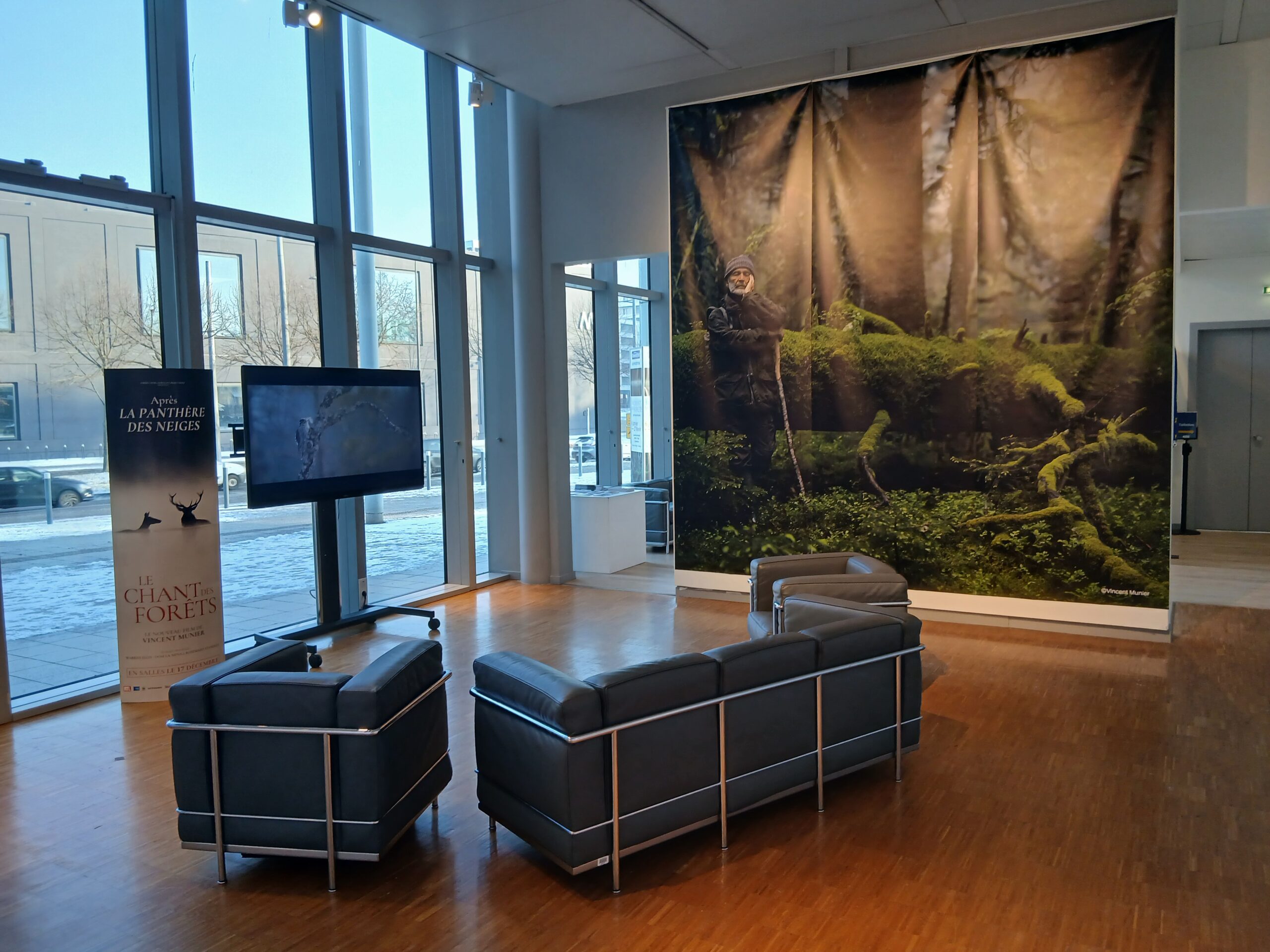
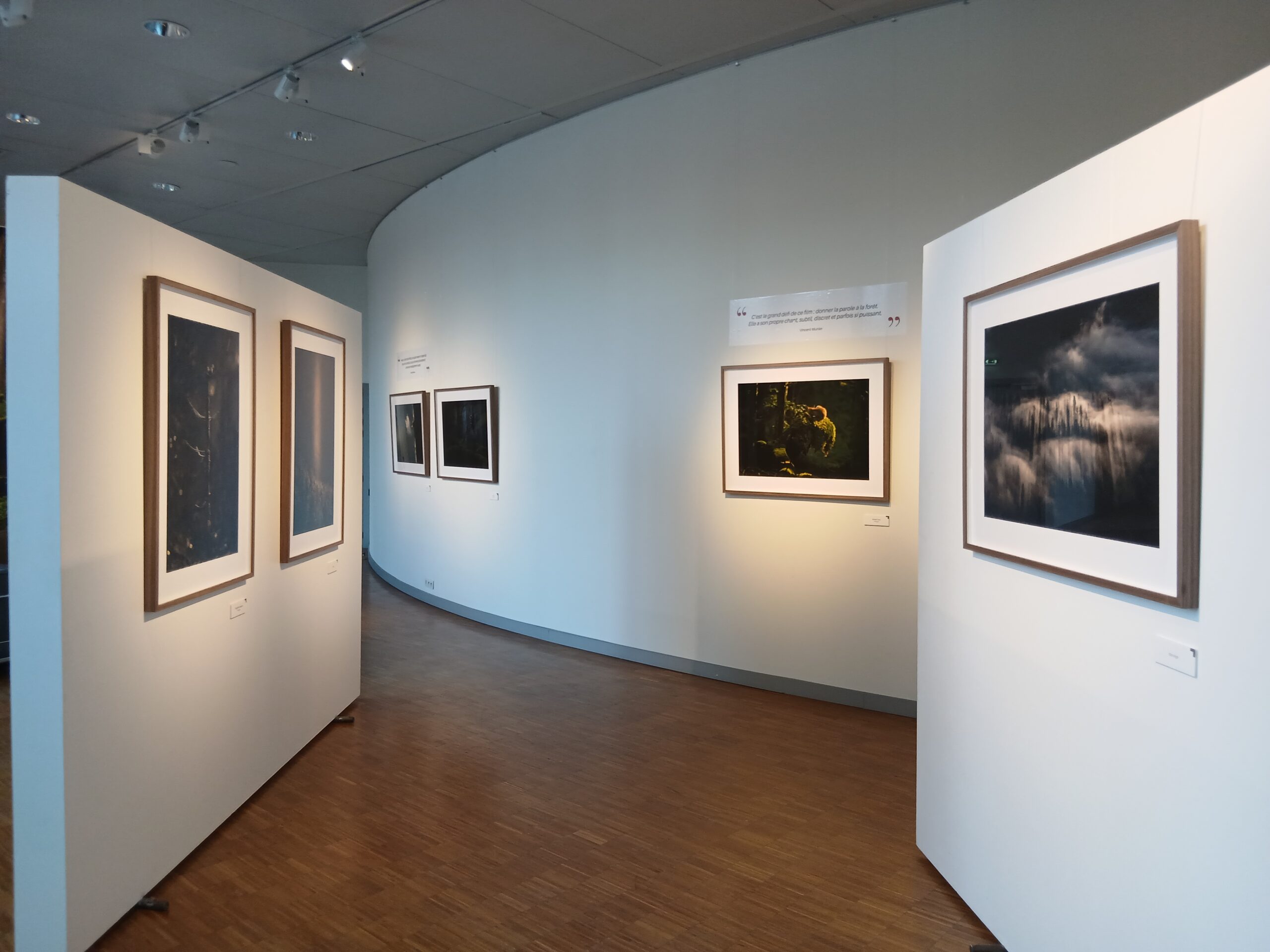
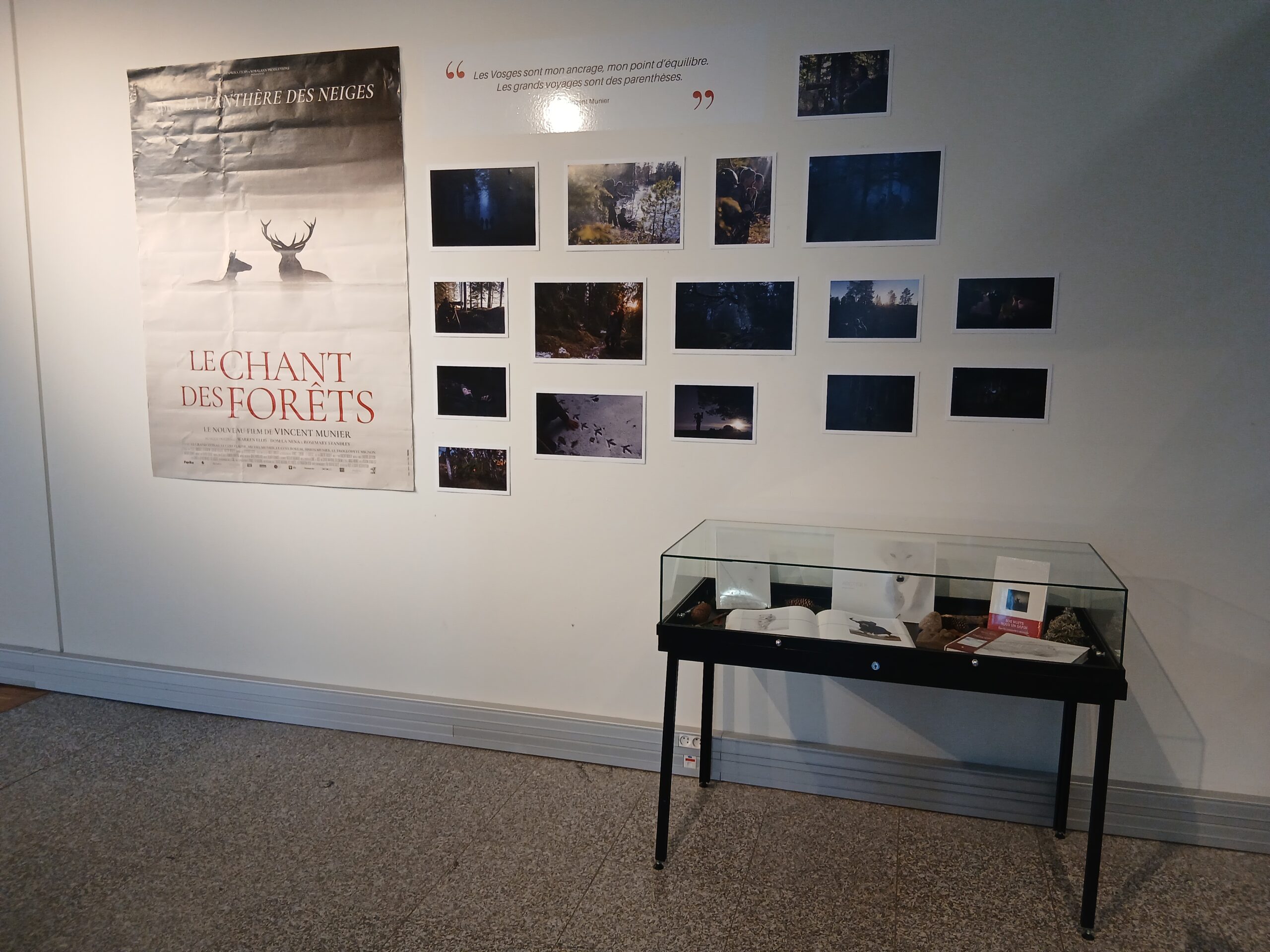
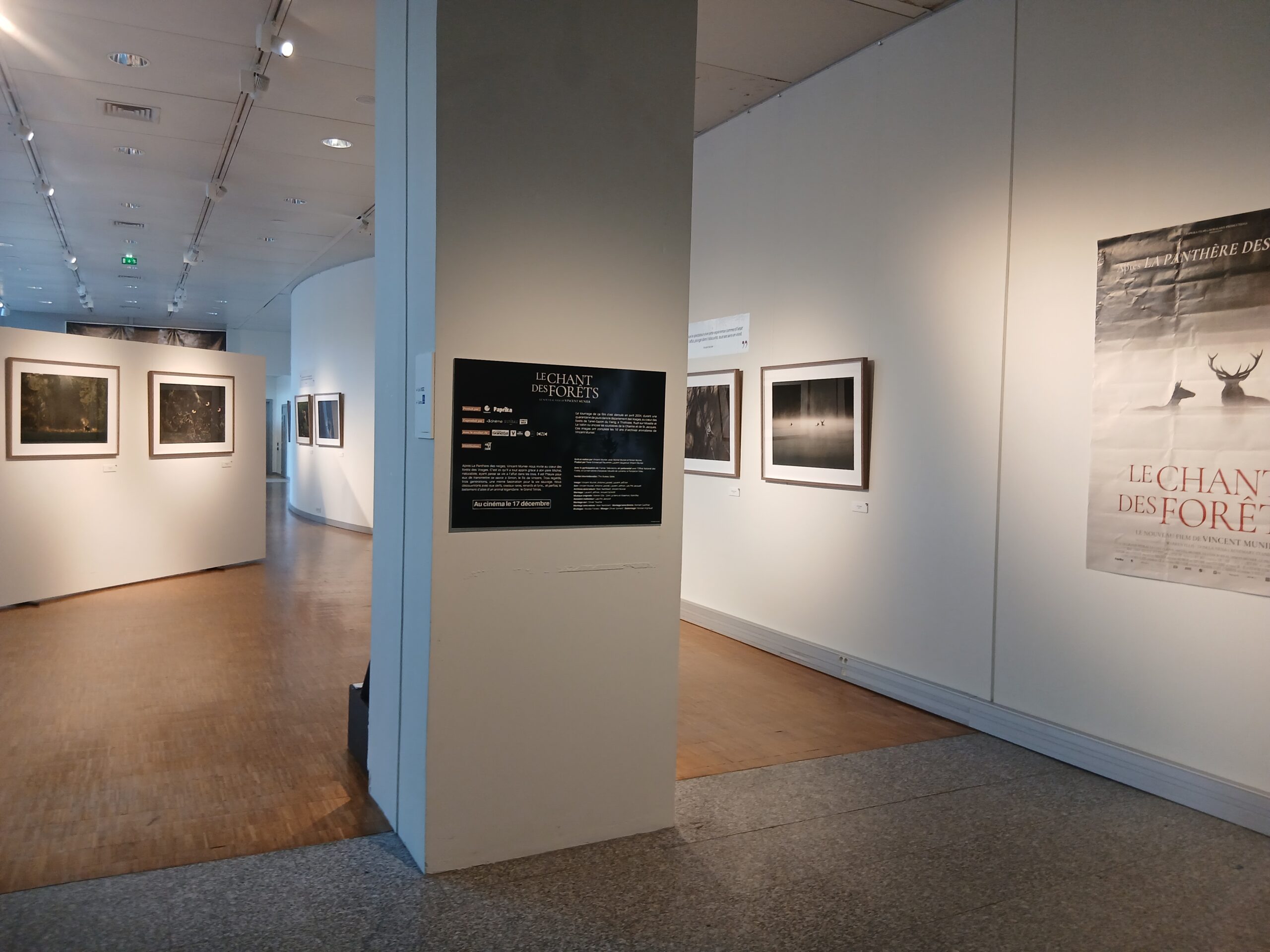
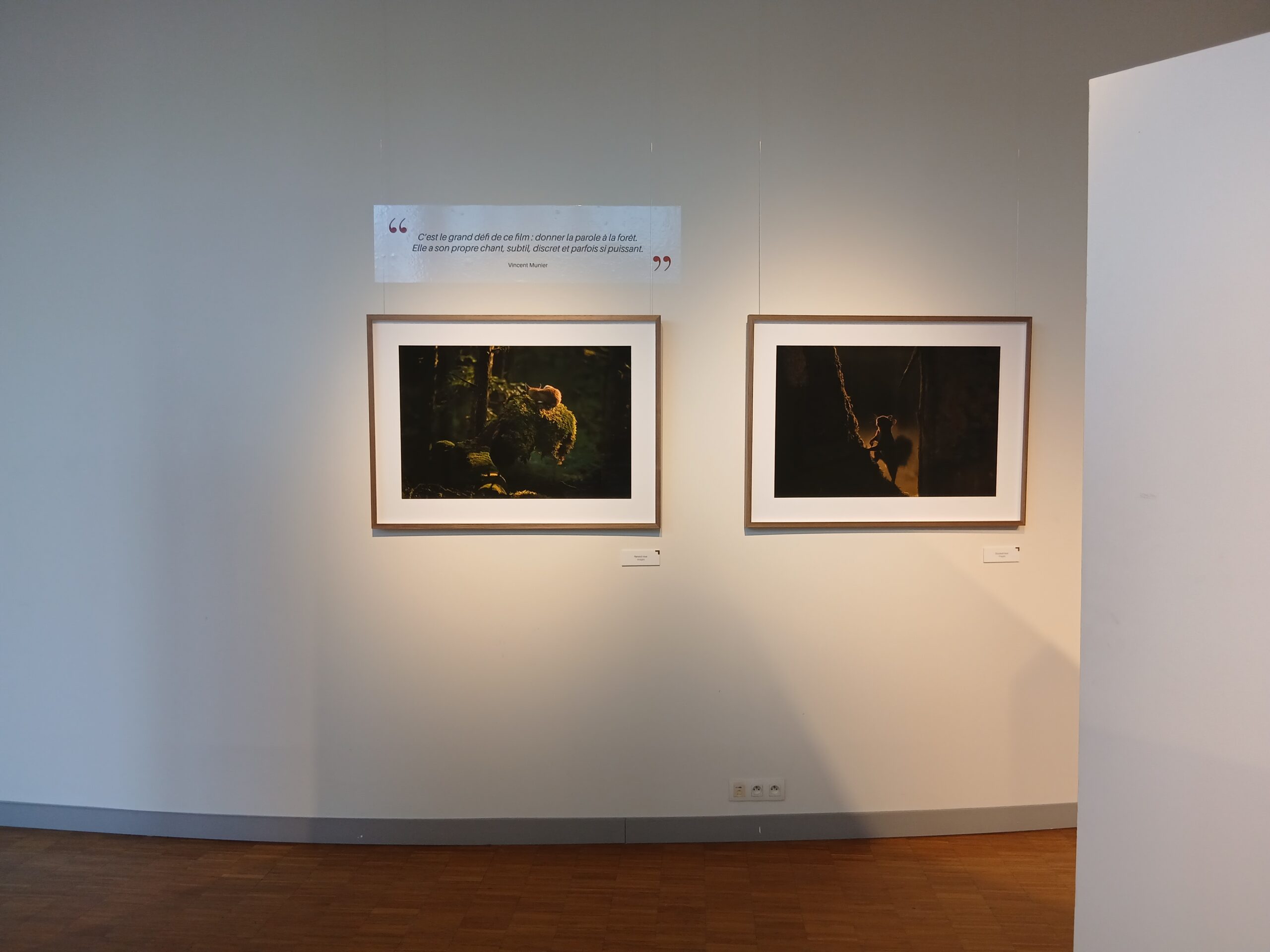
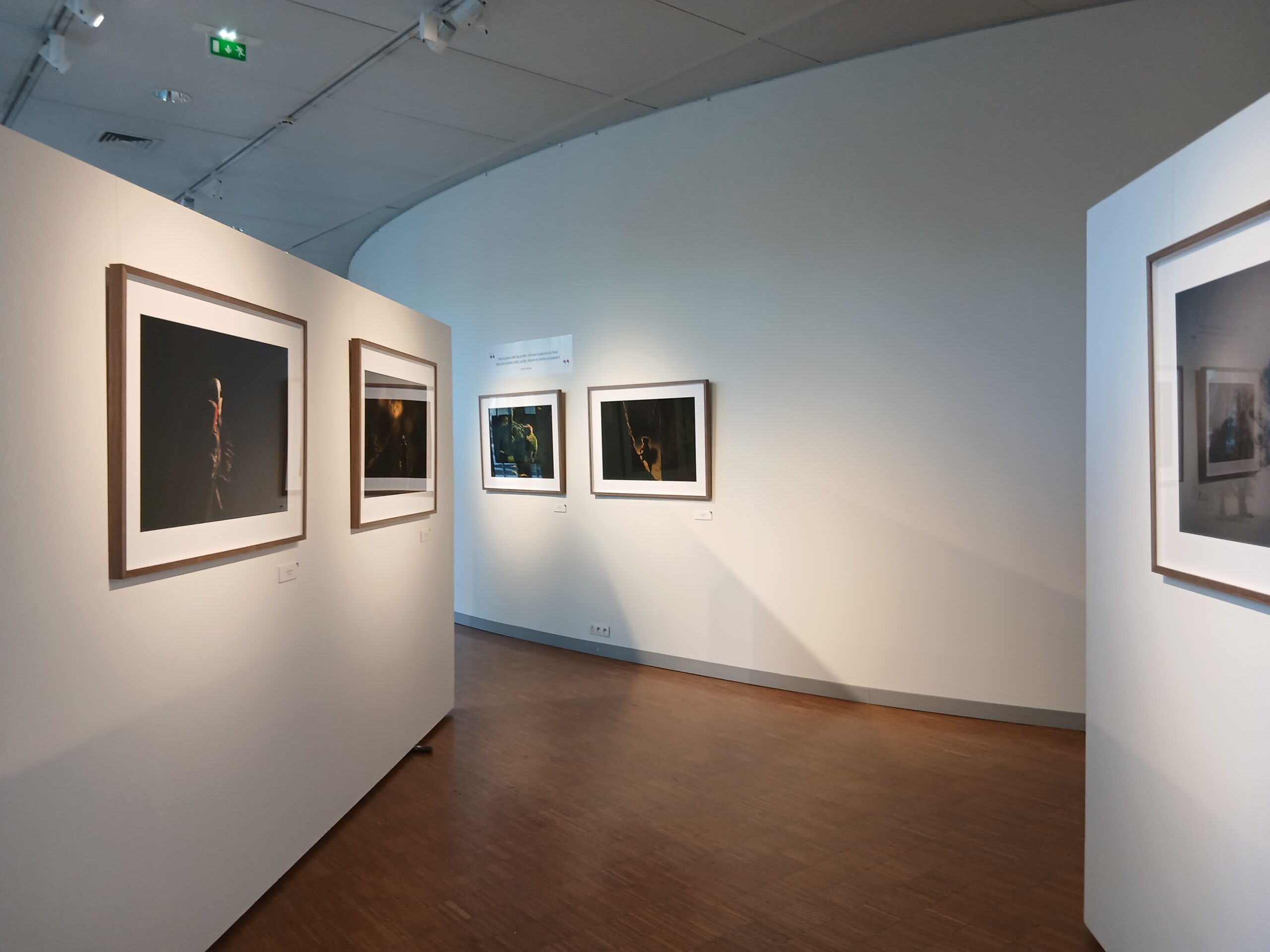
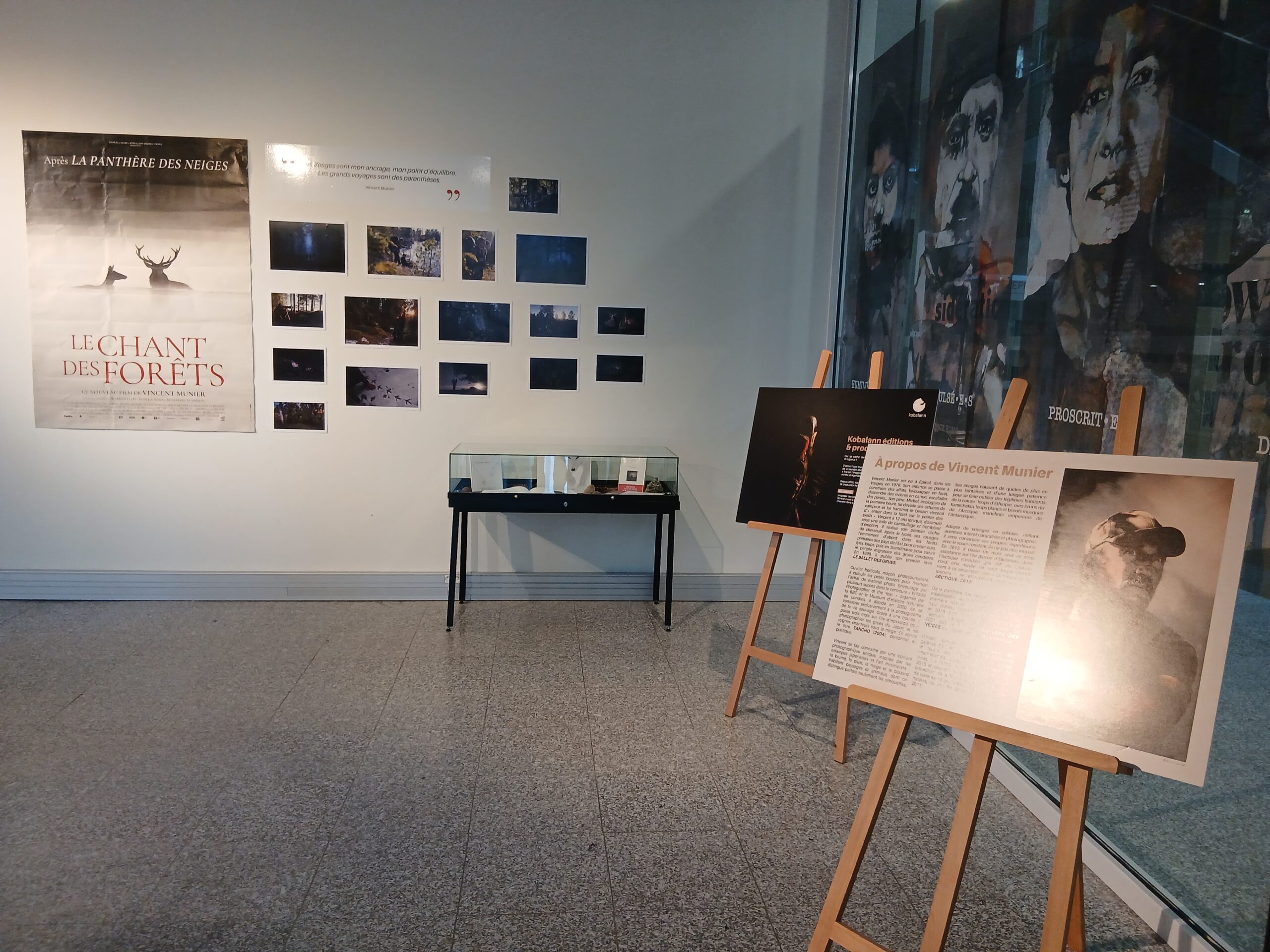
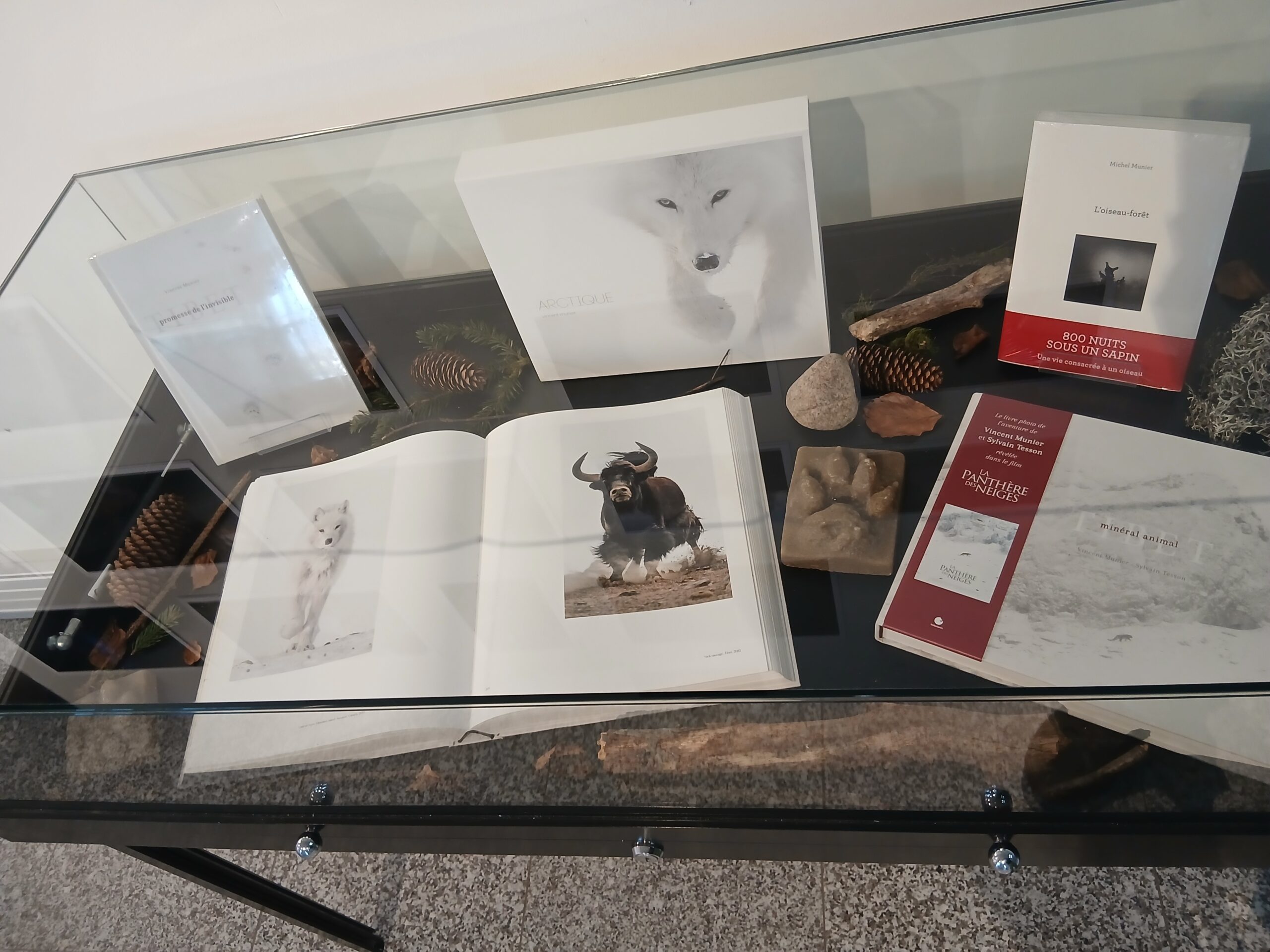
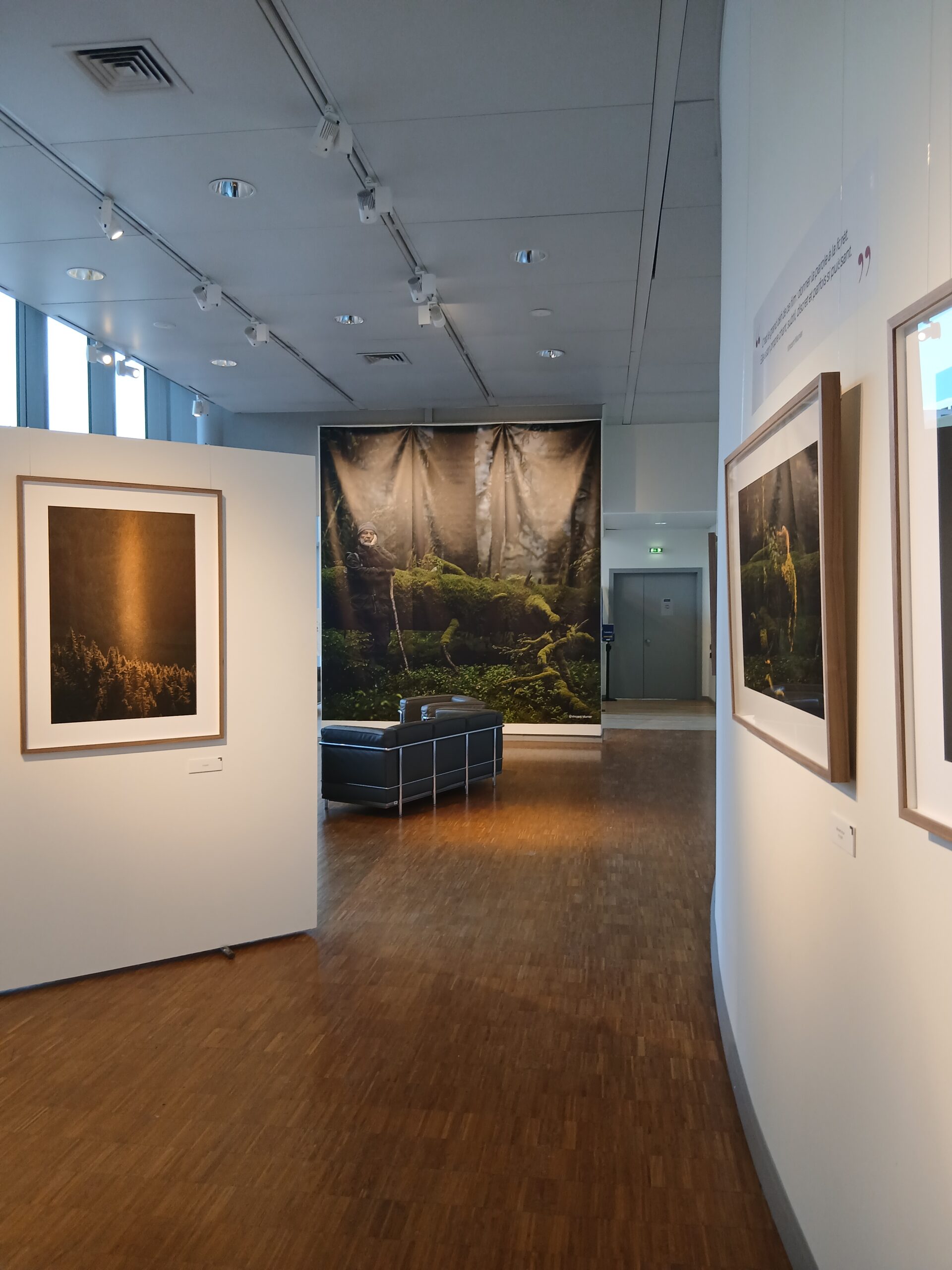
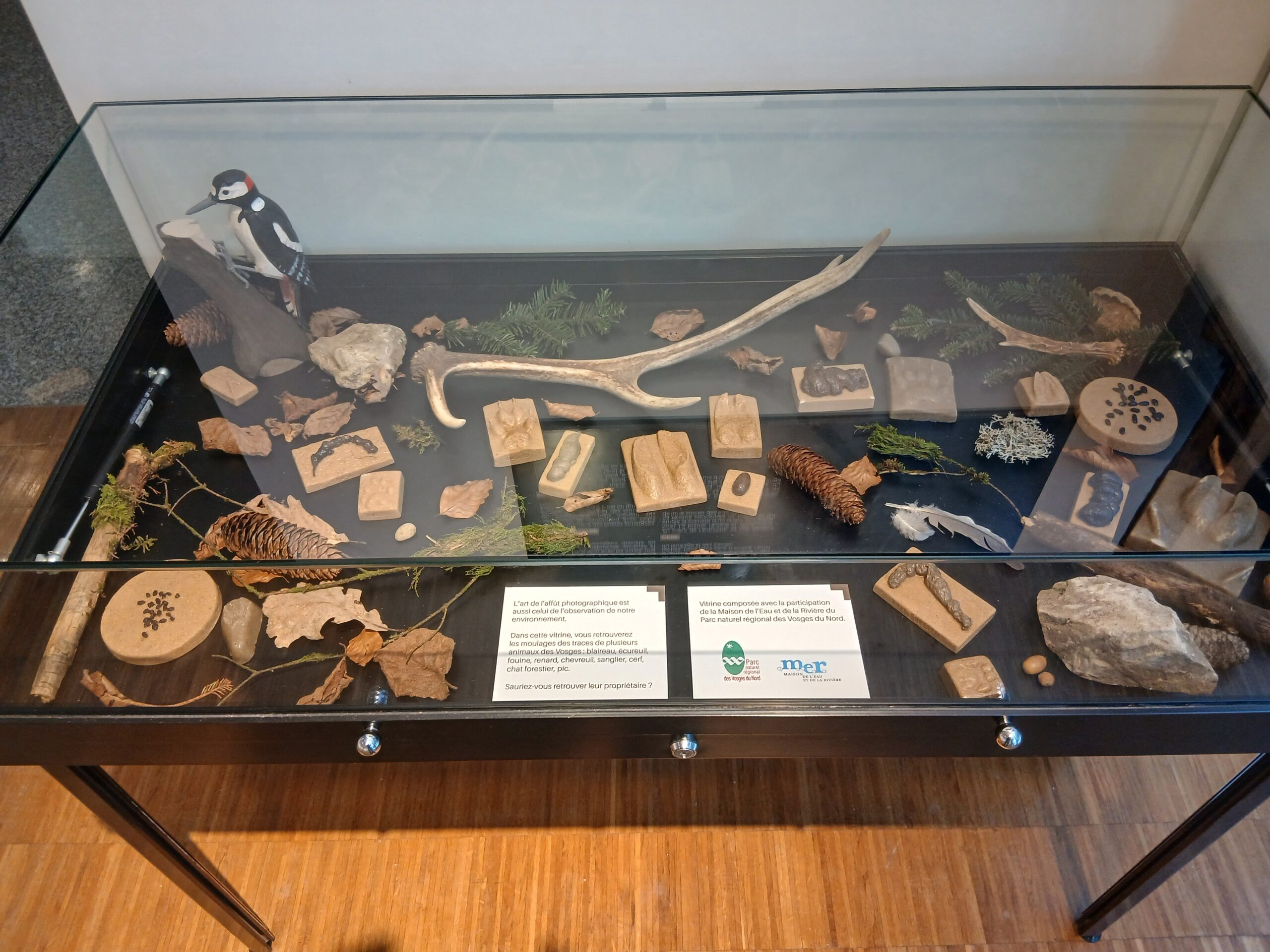
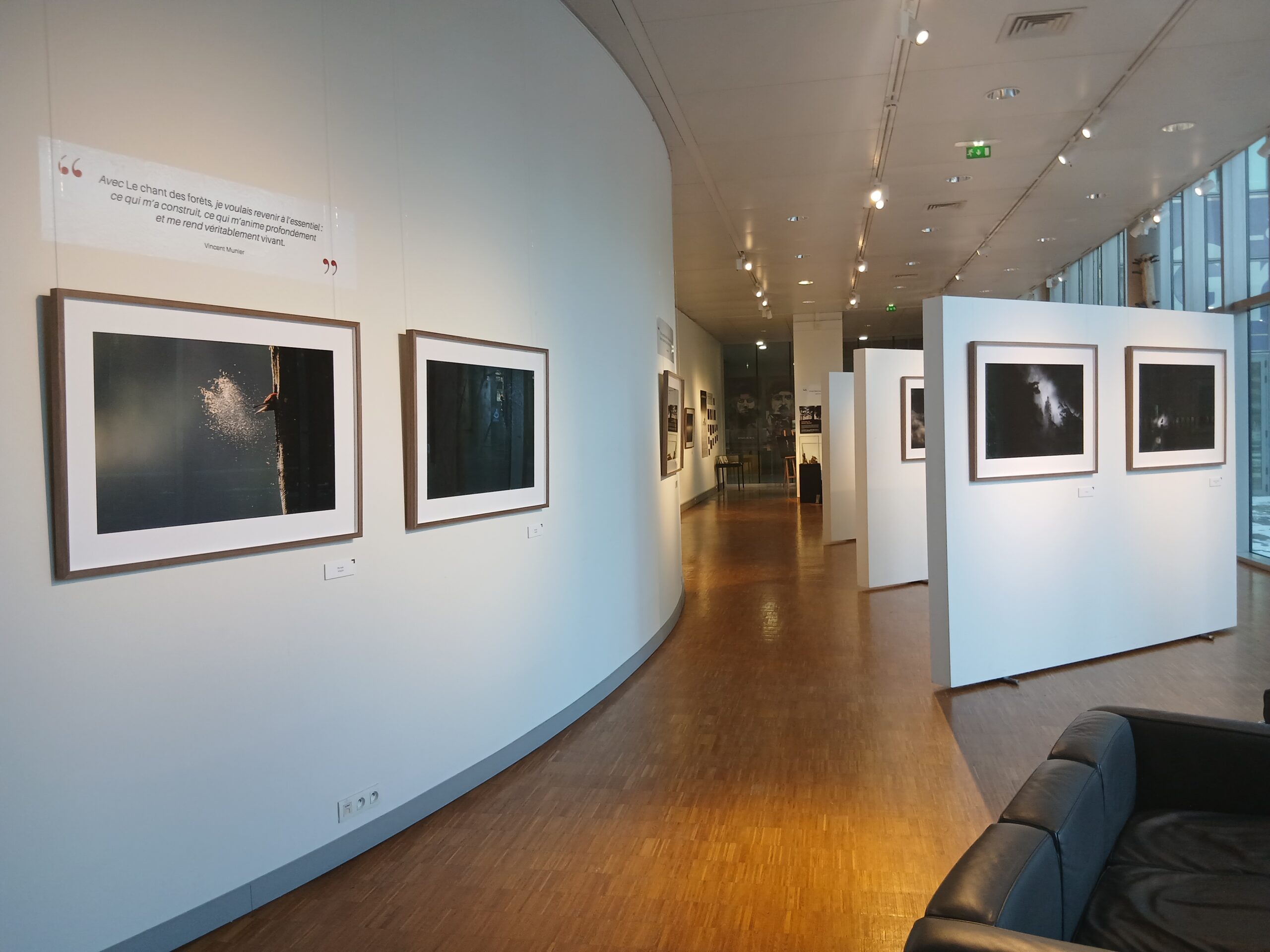


Blin plus Blin
The Blin plus Blin gallery will be exhibiting Vincent's images from December 16 on Rue de l'Université in Paris.
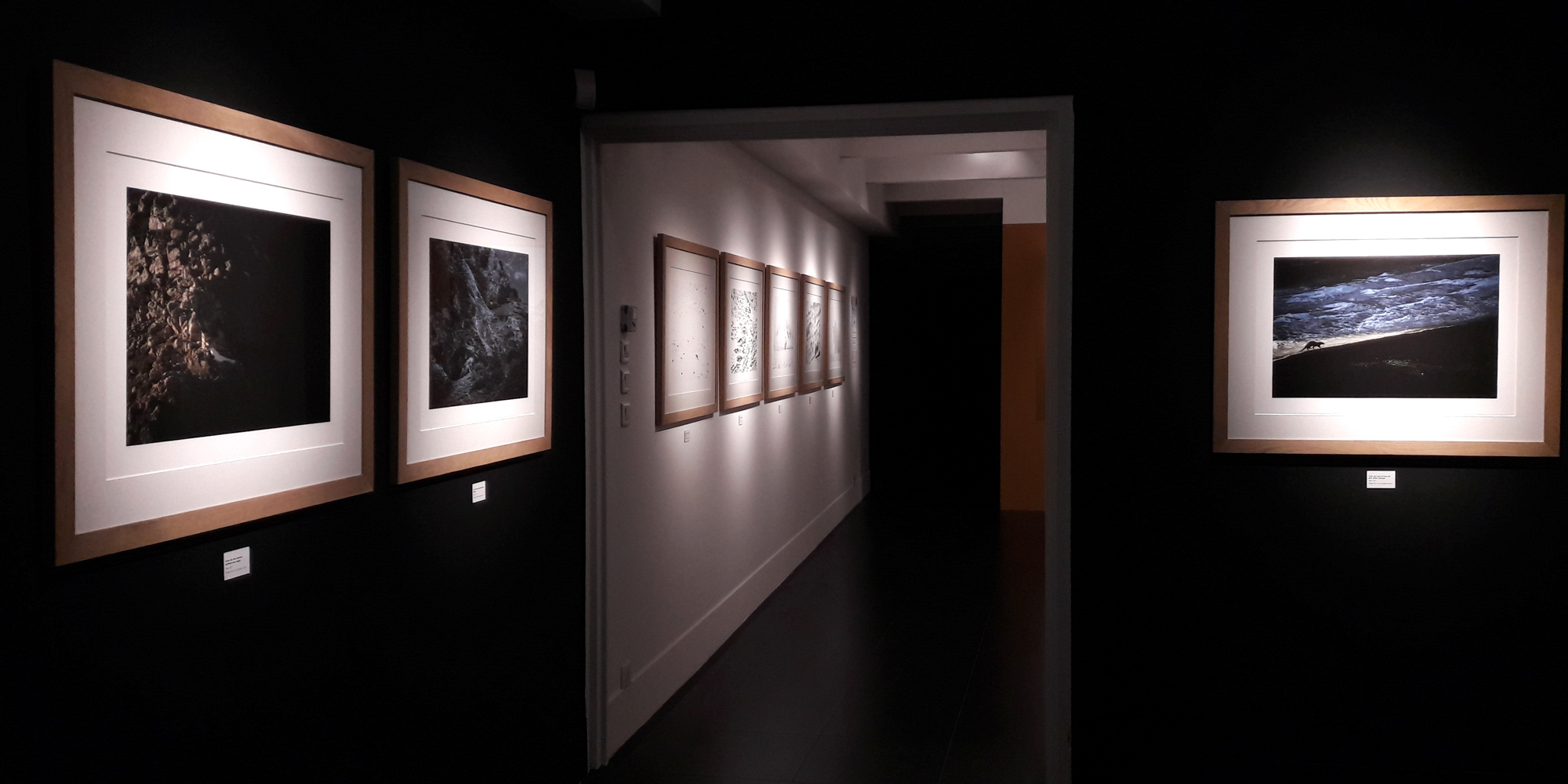
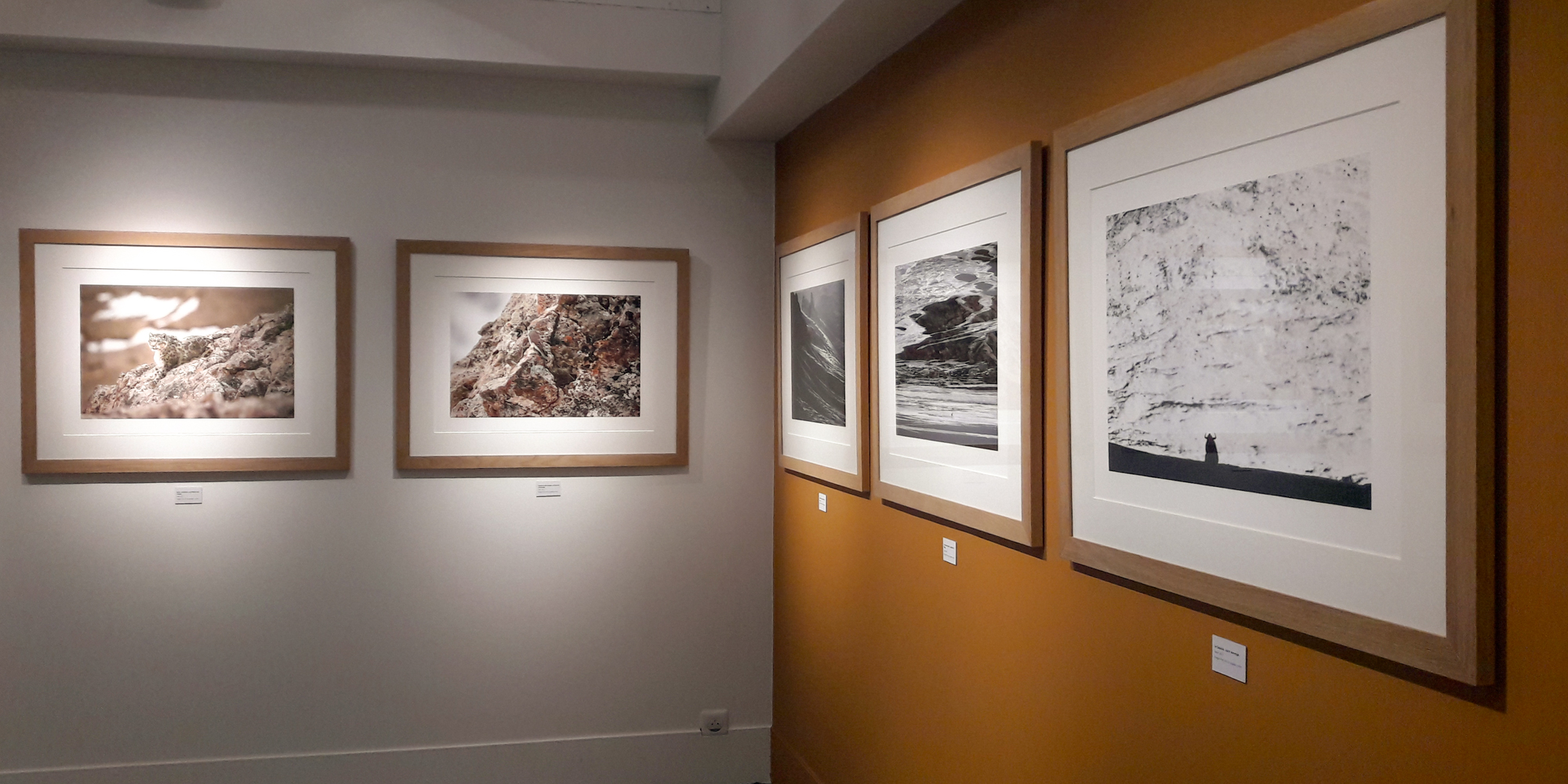
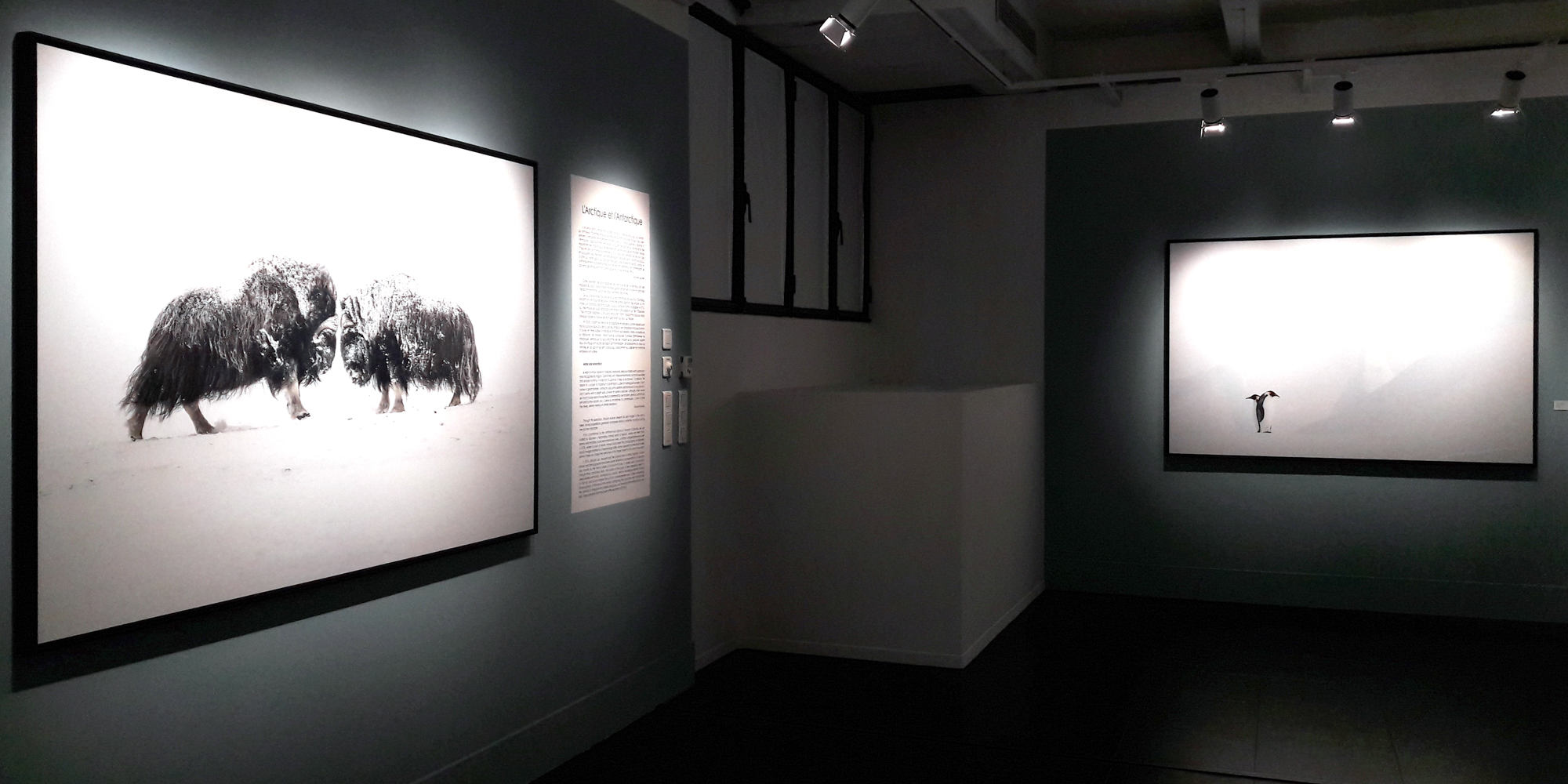
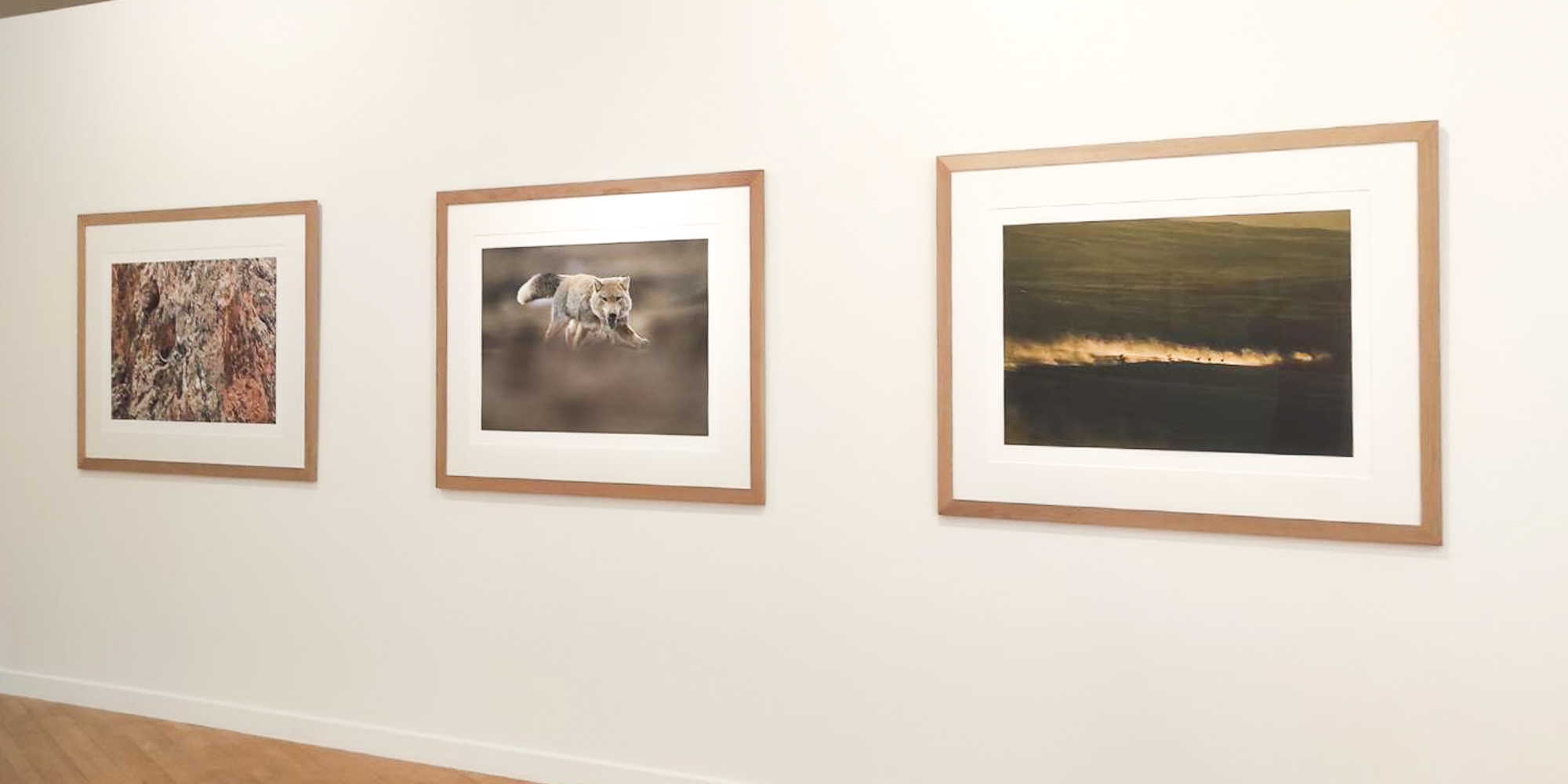
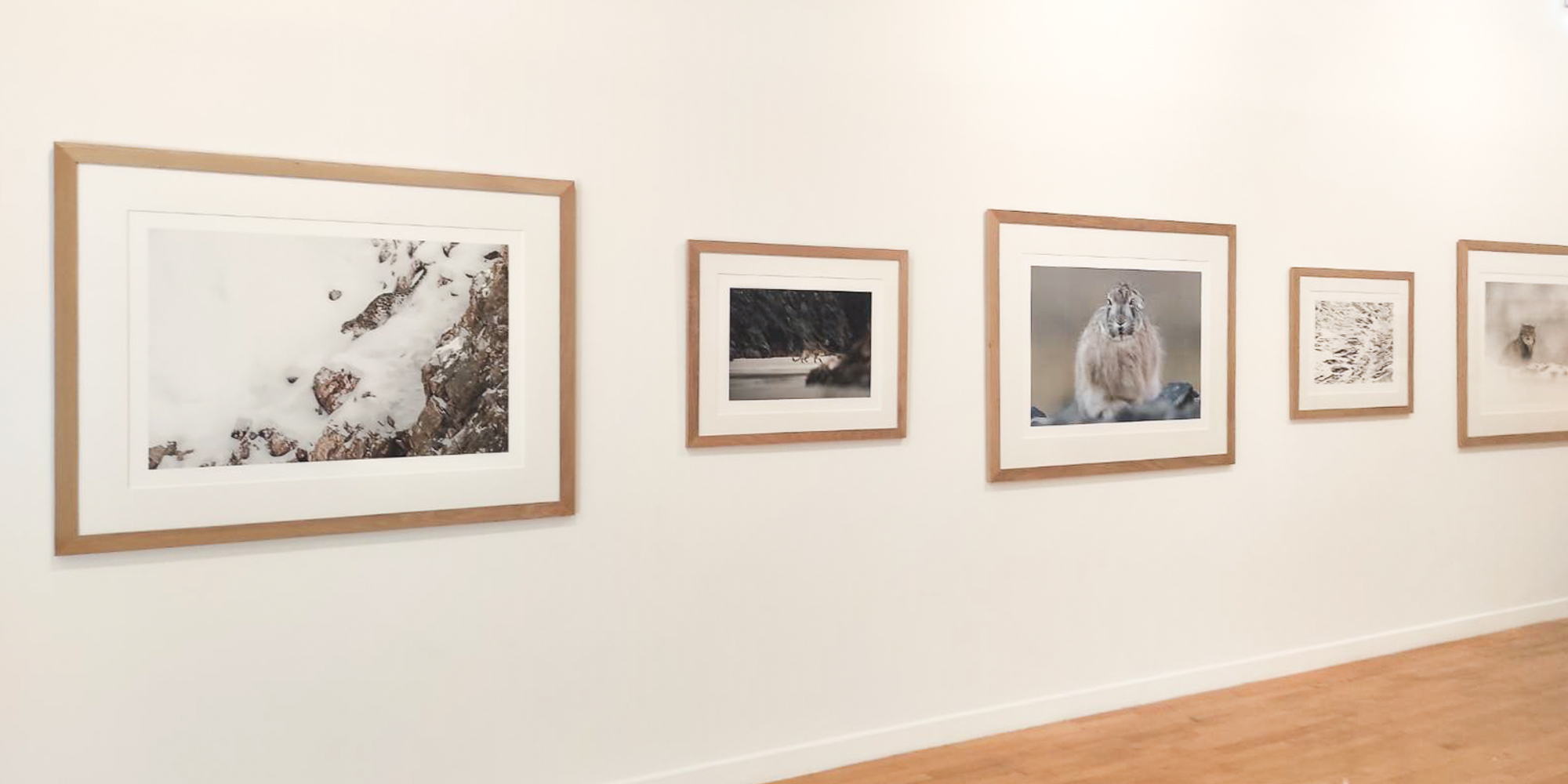
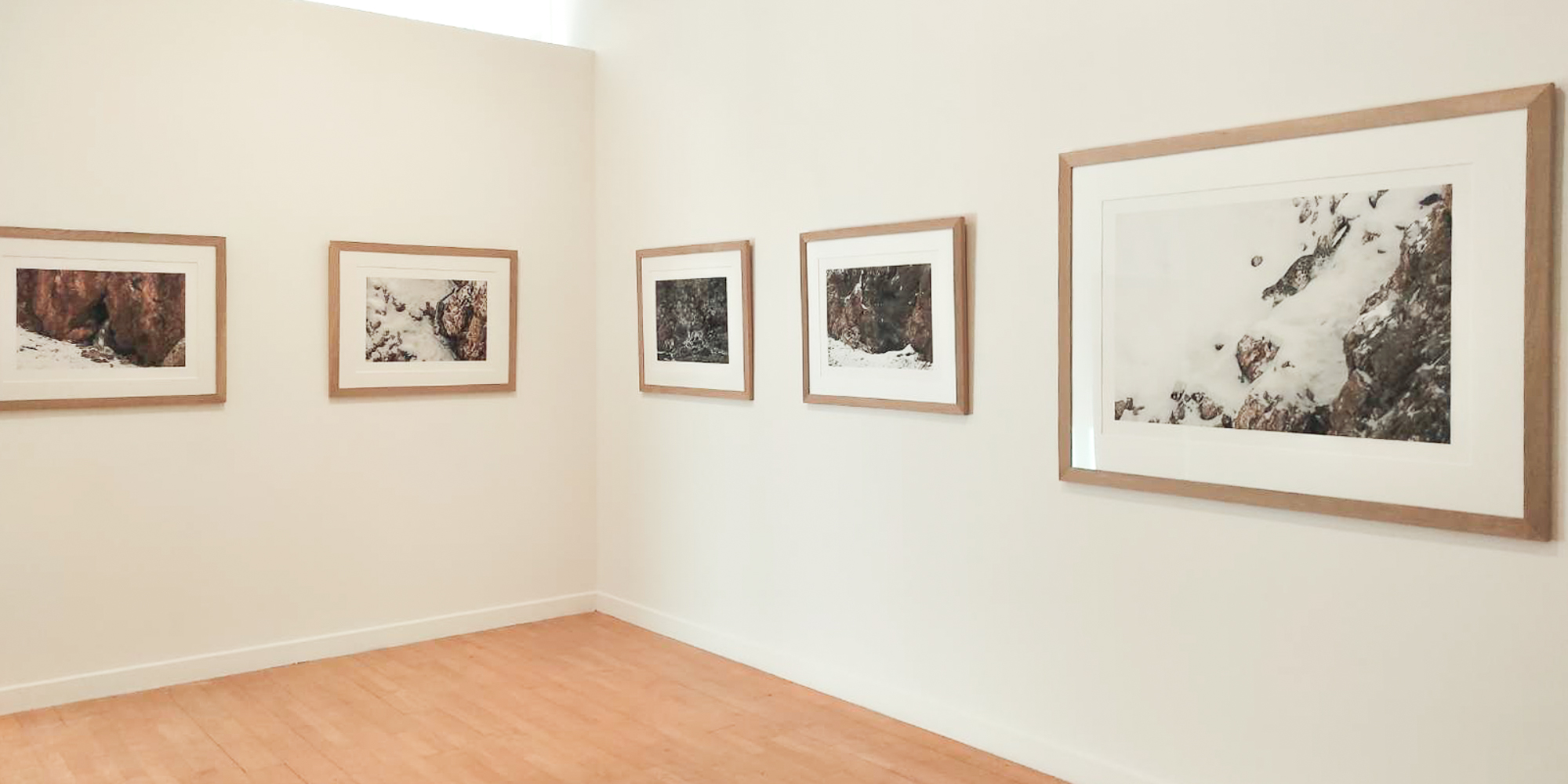
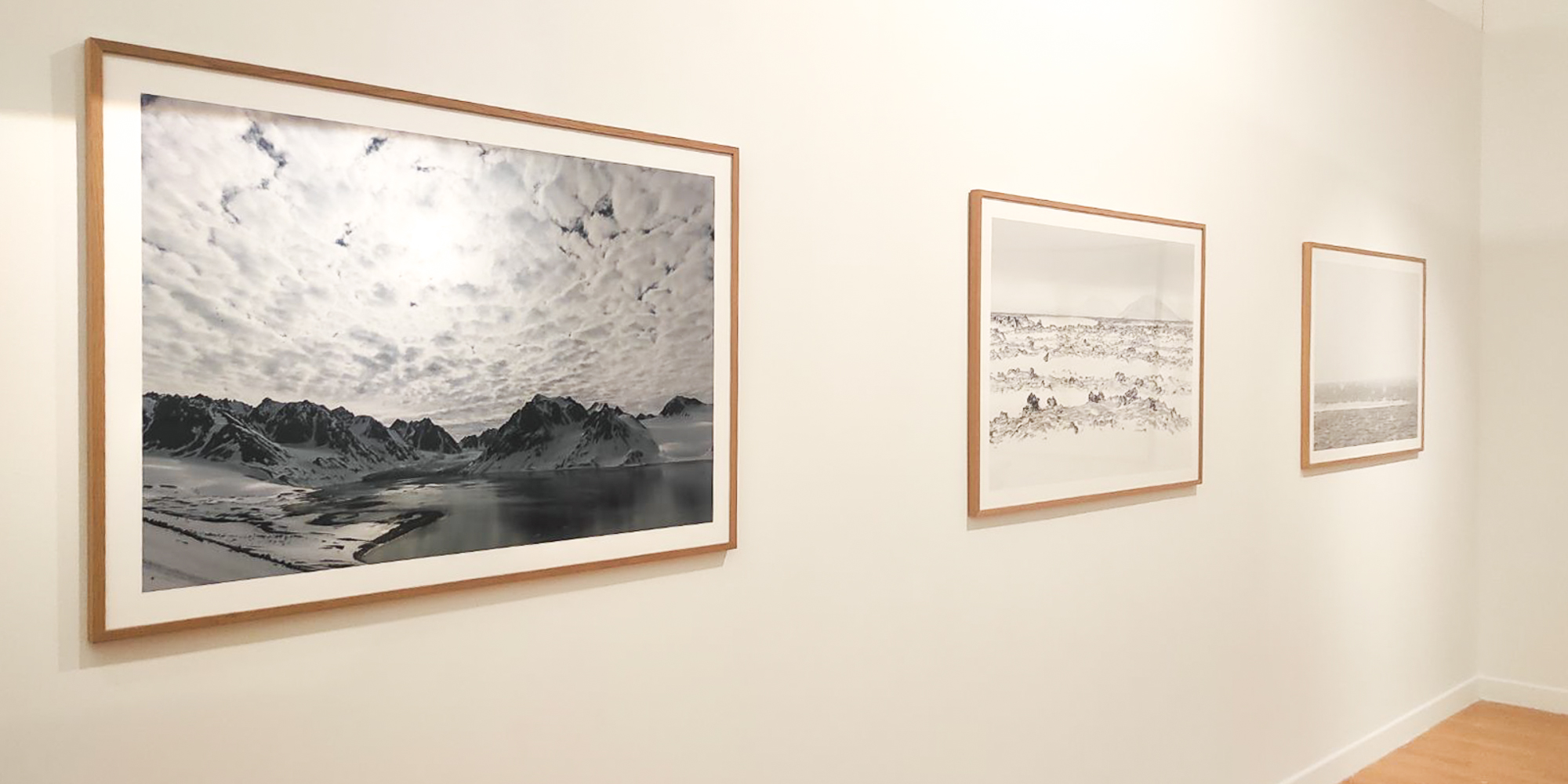
A selection of previously unpublished images from Le Chant des Forêts complements photographs from Arctic and Tibetan expeditions.
| Tuesday | 11:00 a.m.–7:00 p.m. |
| Wednesday | 11:00 a.m.–7:00 p.m. |
| Thursday | 11:00 a.m.–7:00 p.m. |
| Friday | 11:00 a.m.–7:00 p.m. |
| Saturday | 11:00 a.m.–7:00 p.m. |


The Framework
This exhibition of art prints, presented by Hugues Vistorky, Vincent's long-time photo framer, at his studio Le Cadre in Épinal, brings together two series of recent images.
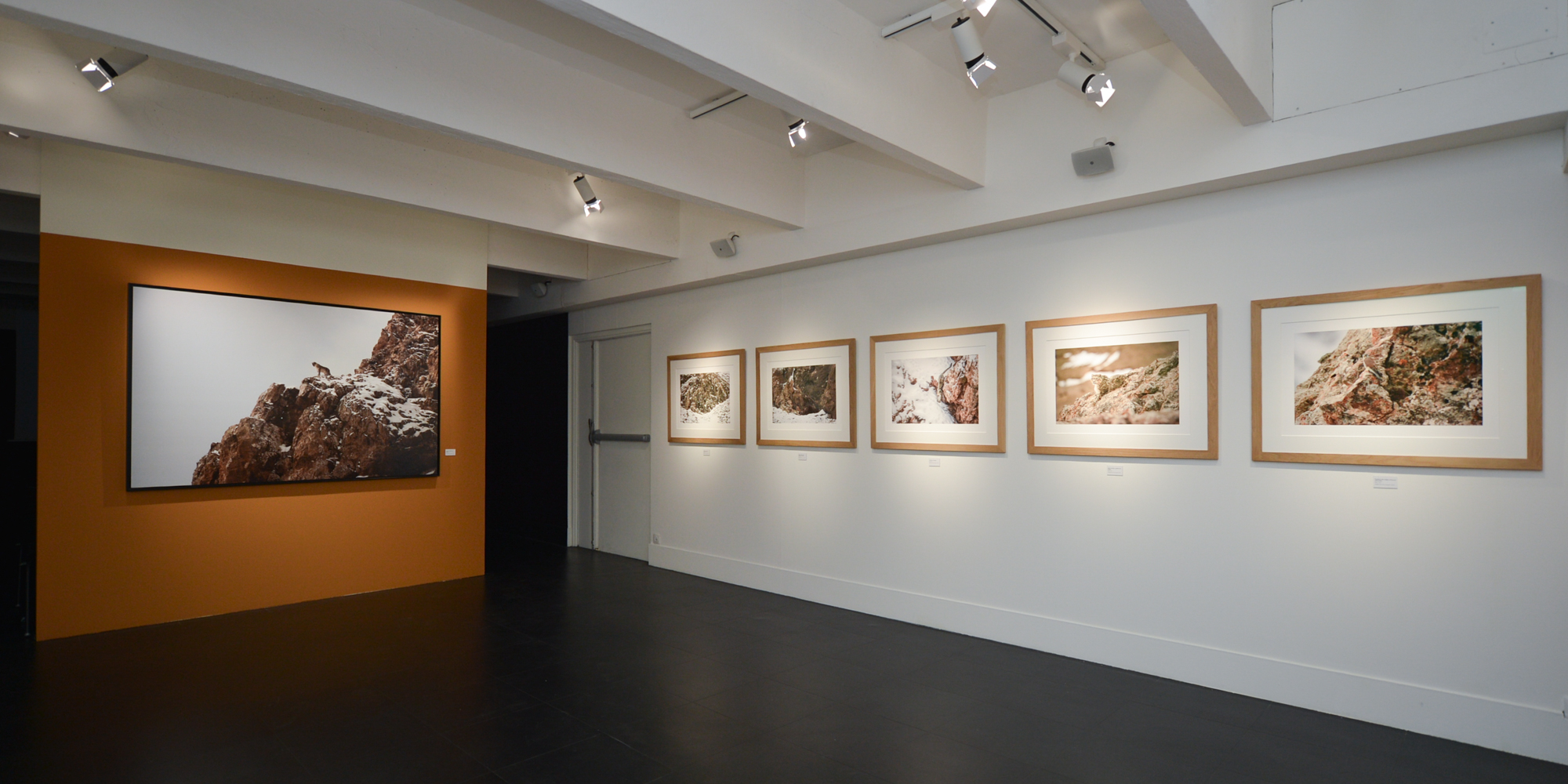
20 large-format prints from the book Le Chant des forêts, to be released on December 17 to accompany the release of the film of the same name.
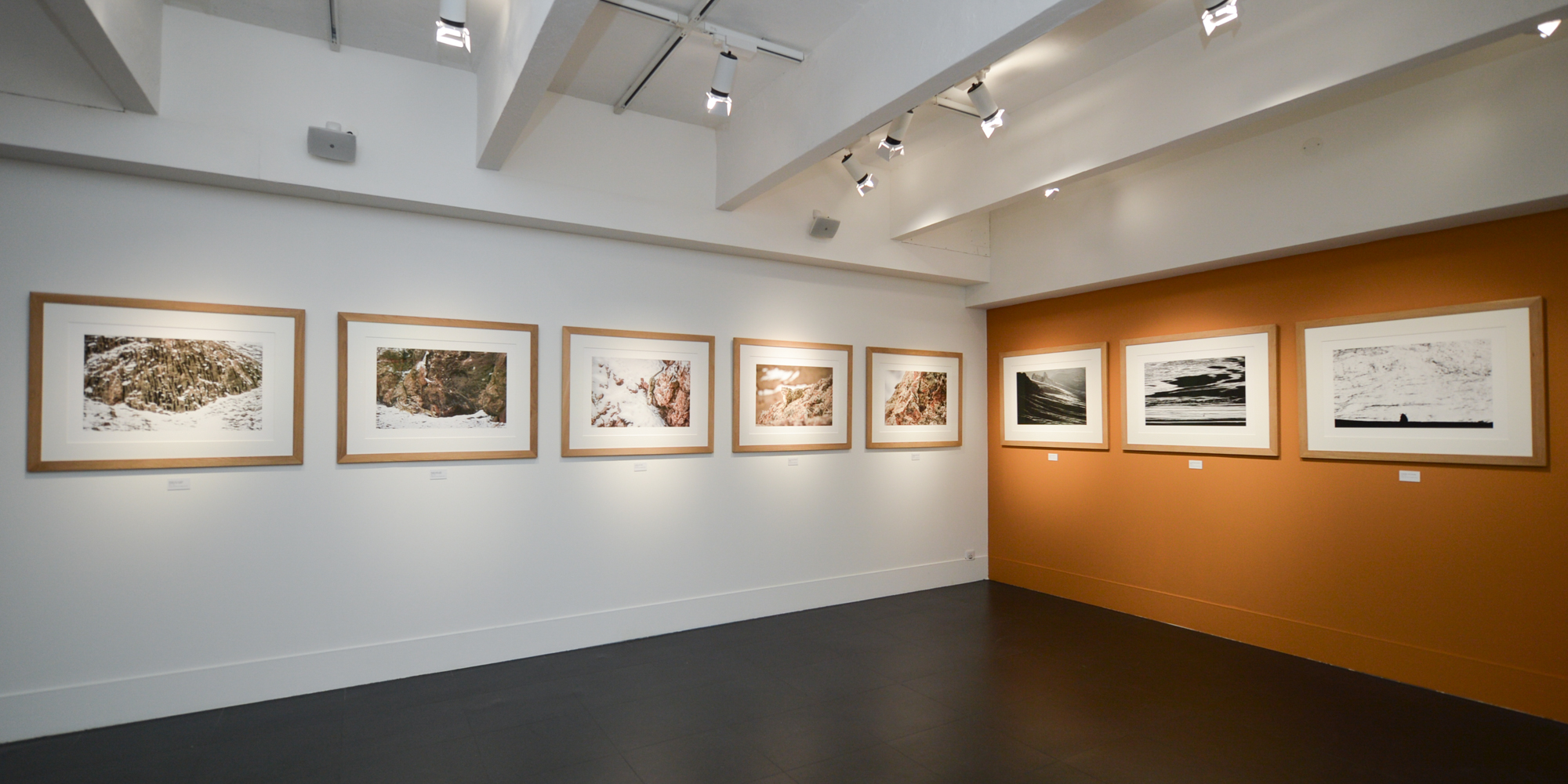
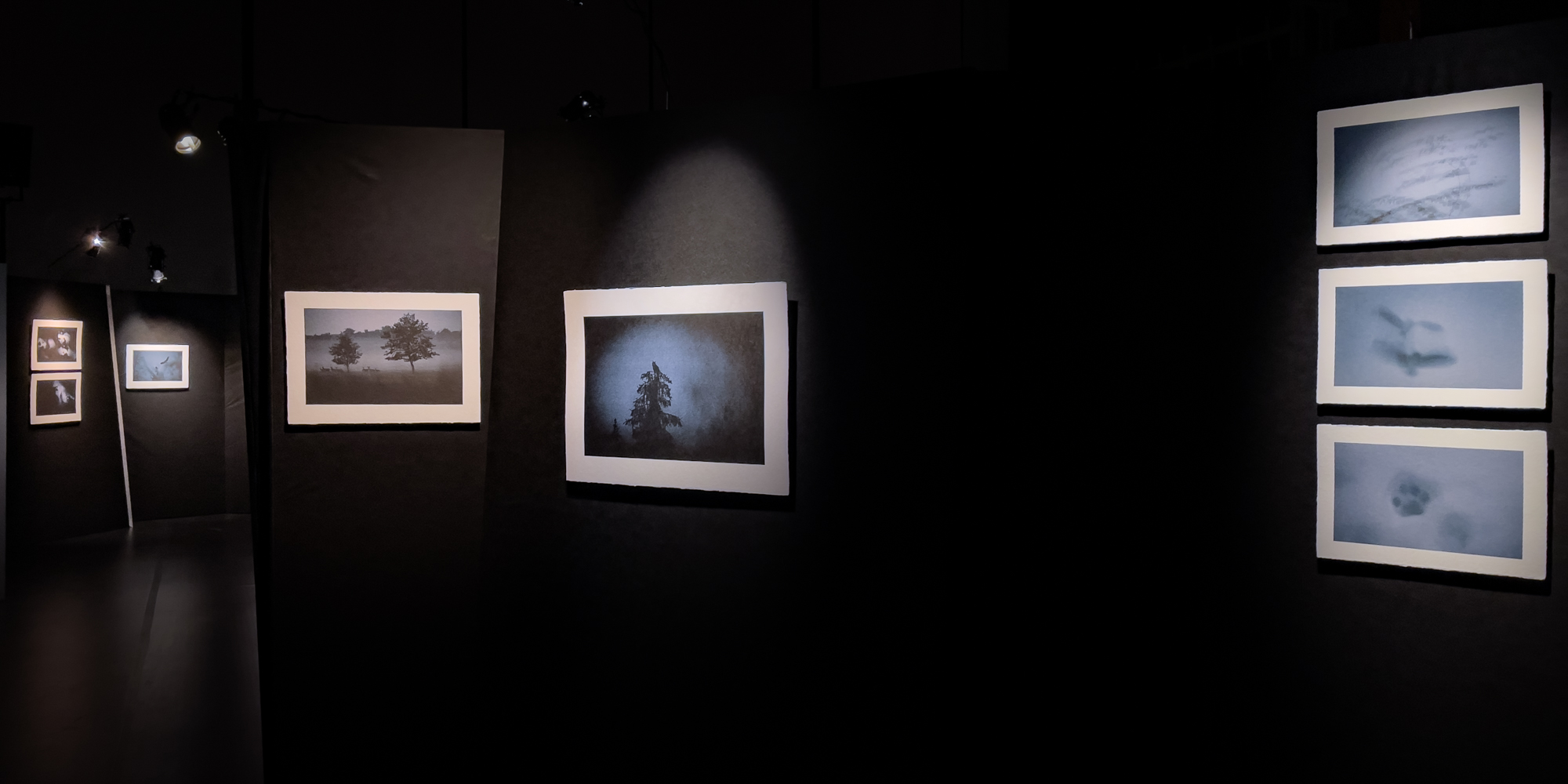
31 medium-format photographic prints, presented in the exhibition Clair-Obscur.
| Monday | Closed |
| Tuesday | 9:15 a.m.–12:00 p.m., 2:15 p.m.–7:00 p.m. |
| Wednesday | 9:15 a.m.–12:00 p.m., 2:15 p.m.–7:00 p.m. |
| Thursday | 9:15 a.m.–12:00 p.m., 2:15 p.m.–7:00 p.m. |
| Friday | 9:15 a.m.–12:00 p.m., 2:15 p.m.–7:00 p.m. |
| Saturday | 9:15 a.m.–12:00 p.m., 2:15 p.m.–7:00 p.m. |


Strasbourg Museum of Fine Arts
The exhibition juxtaposes photographs by Vincent Munier with works from the collections of Strasbourg's museums (Museum of Fine Arts, Print and Drawing Room, Museum of Modern and Contemporary Art, Tomi Ungerer Museum, and Zoological Museum) dating from the 16th to the 20th century. These works and photographs depicting animals and the natural world around them will thus interact and resonate, offering visitors a moment of suspended contemplation.
Vincent Munier, with his technique and his eye, sensitively captures the fleeting nature and power of encounters with wild animals. Photographed in all their majesty, these animals, along with the photographs representing them, attain the status of works of art. Many people affirm the need to get closer to living things in order to recharge their batteries. The same is true for works of art, and museums are, in their own way, a kind of refuge. We therefore propose inviting nature into the museum. Art, like living things, deserves to be observed, contemplated, and protected, perhaps even more so today than in the past. We must "know how to look" in order to "know how to protect." Ultimately, isn't a visit to a museum a bit like a walk in the forest? Isn't the museum, in its own way, a kind of reserve, a refuge?
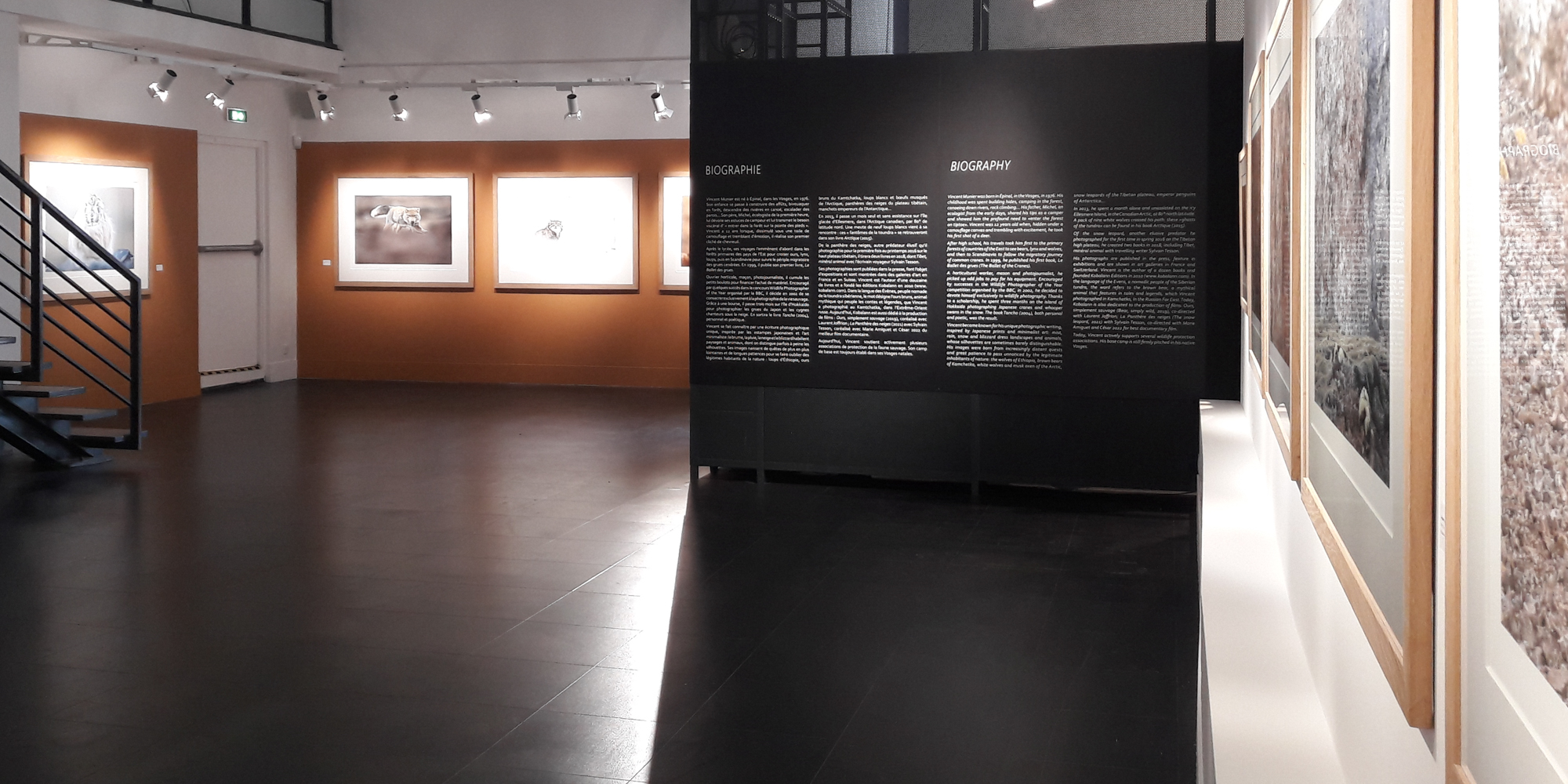
The exhibition presents 81 photographs by Vincent Munier (including 15 cyanotypes produced in collaboration with photographers Julien Félix and Léo-Pol Jacquot), focusing in particular on the theme of the forest. It also presents a series of photographs of more distant animals in a white environment, a color dear to the photographer. The exhibition design by atelier-aile² accompanies the visitor on a sensory journey.
"I want to experience nature at its most powerful. For in the face of its grandeur, man rediscovers his fragility. Confronted with these environments, he must show profound and sincere humility. This invites him to observe, to feel, to be moved... Gone is the desire to conquer, to control, or to profit. Seek nothing but wonder."
Vincent Munier, Arctic. Expedition Journal
Curators: Céline Marcle and Dominique Jacquot, conservation department of the Strasbourg Museum of Fine Arts.


Photographs: Mathieu Bertola
| Hours | Open weekdays from 10 a.m. to 1 p.m. and from 2 p.m. to 6 p.m. Saturday and Sunday from 10 a.m. to 6 p.m. / Closed on Tuesdays |
| Rates | €7.50 €3.50 (reduced) |
| Accessibility | Museum not accessible to people with reduced mobility (stairs without elevator) |


Festival of the gaze
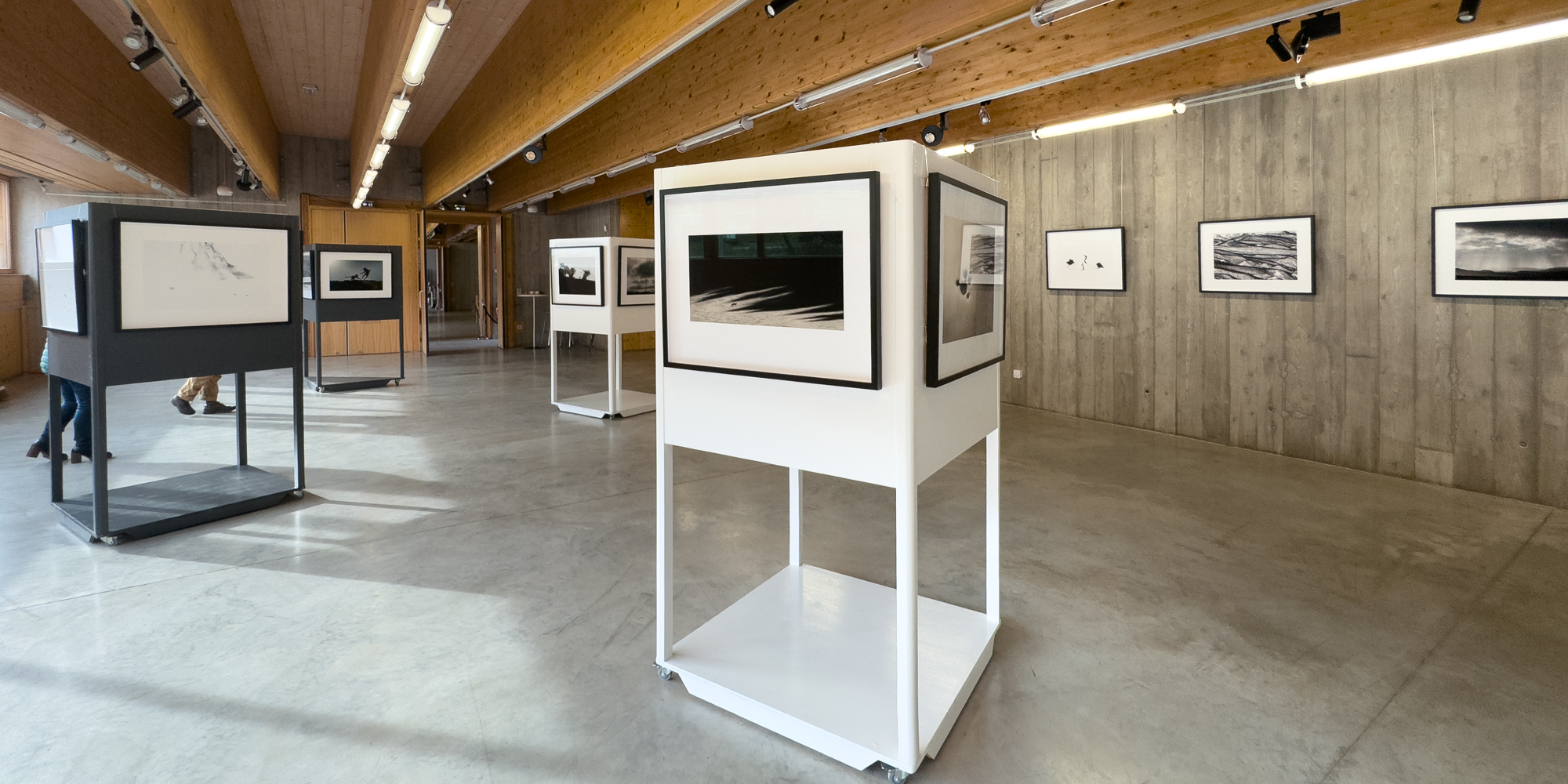
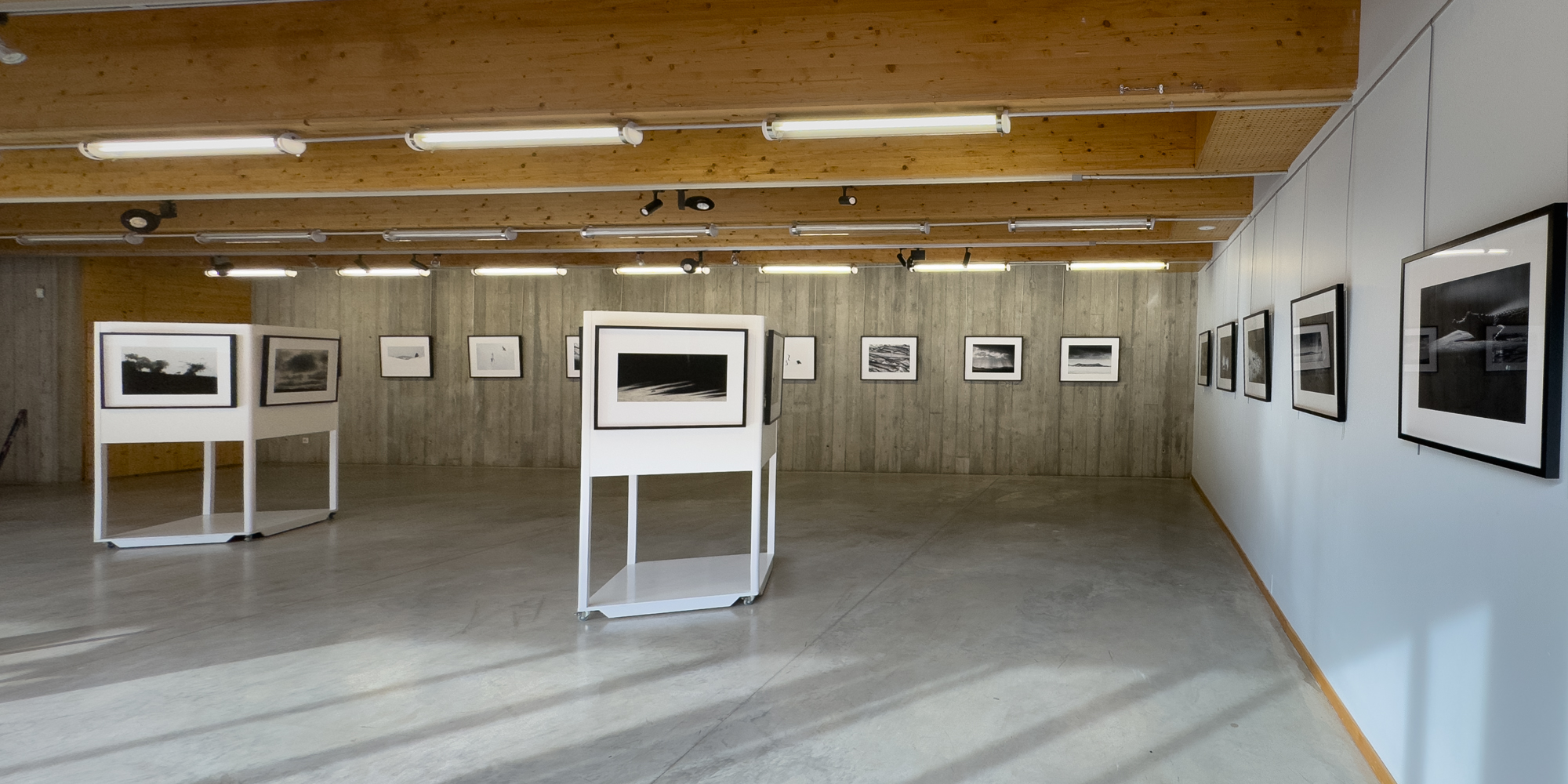
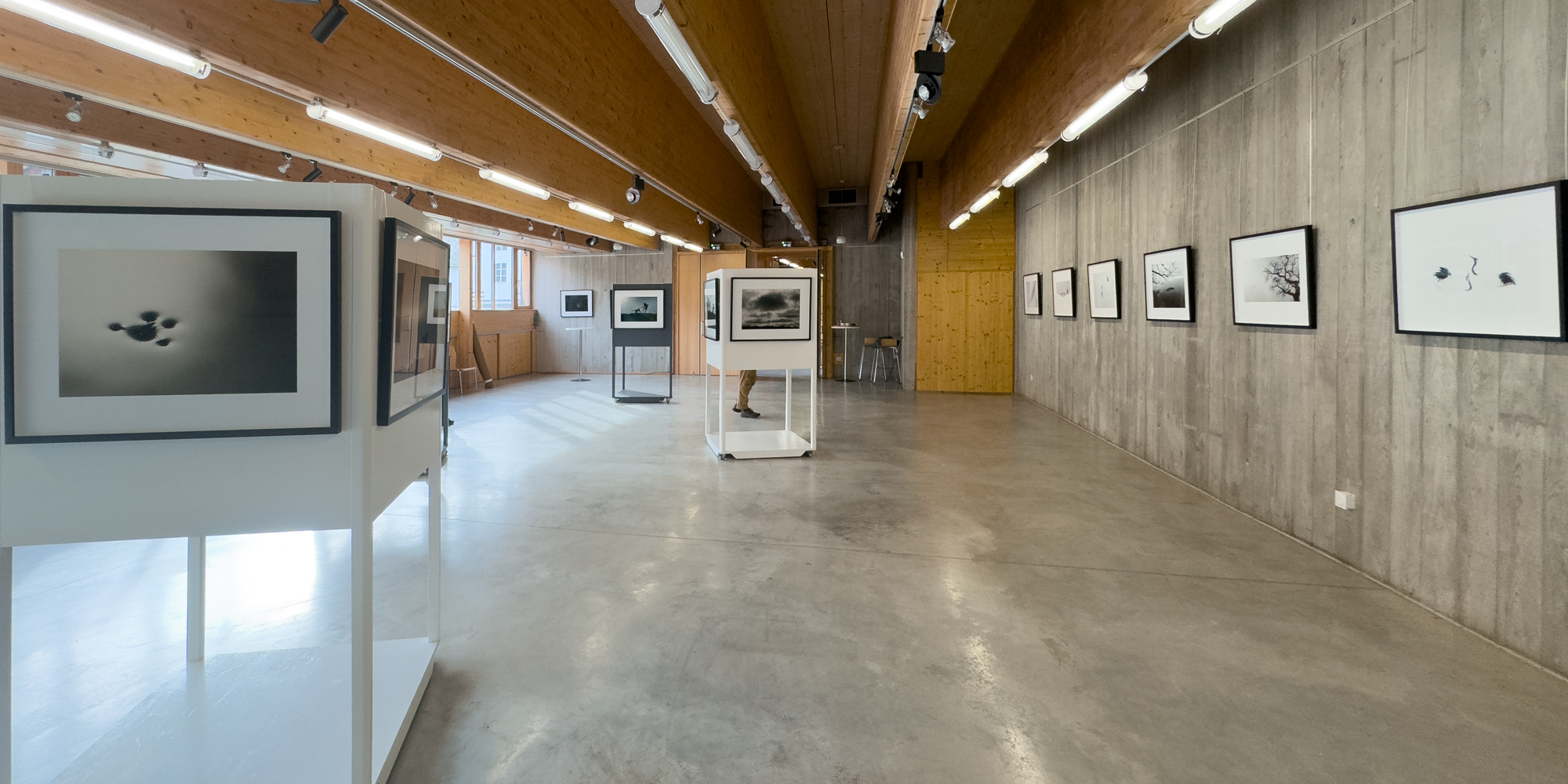
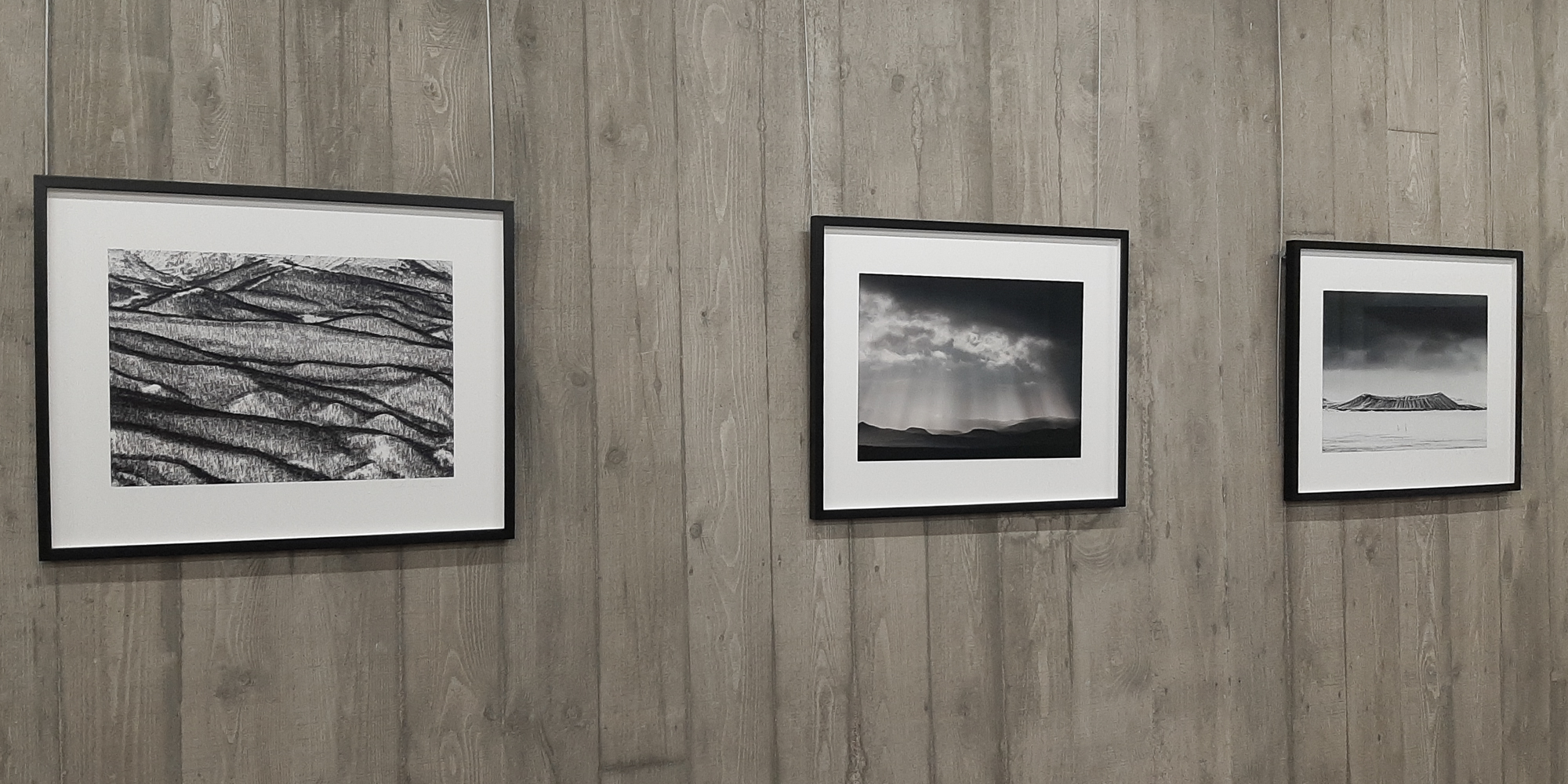
Vincent Munier & Pentti Sammallahti
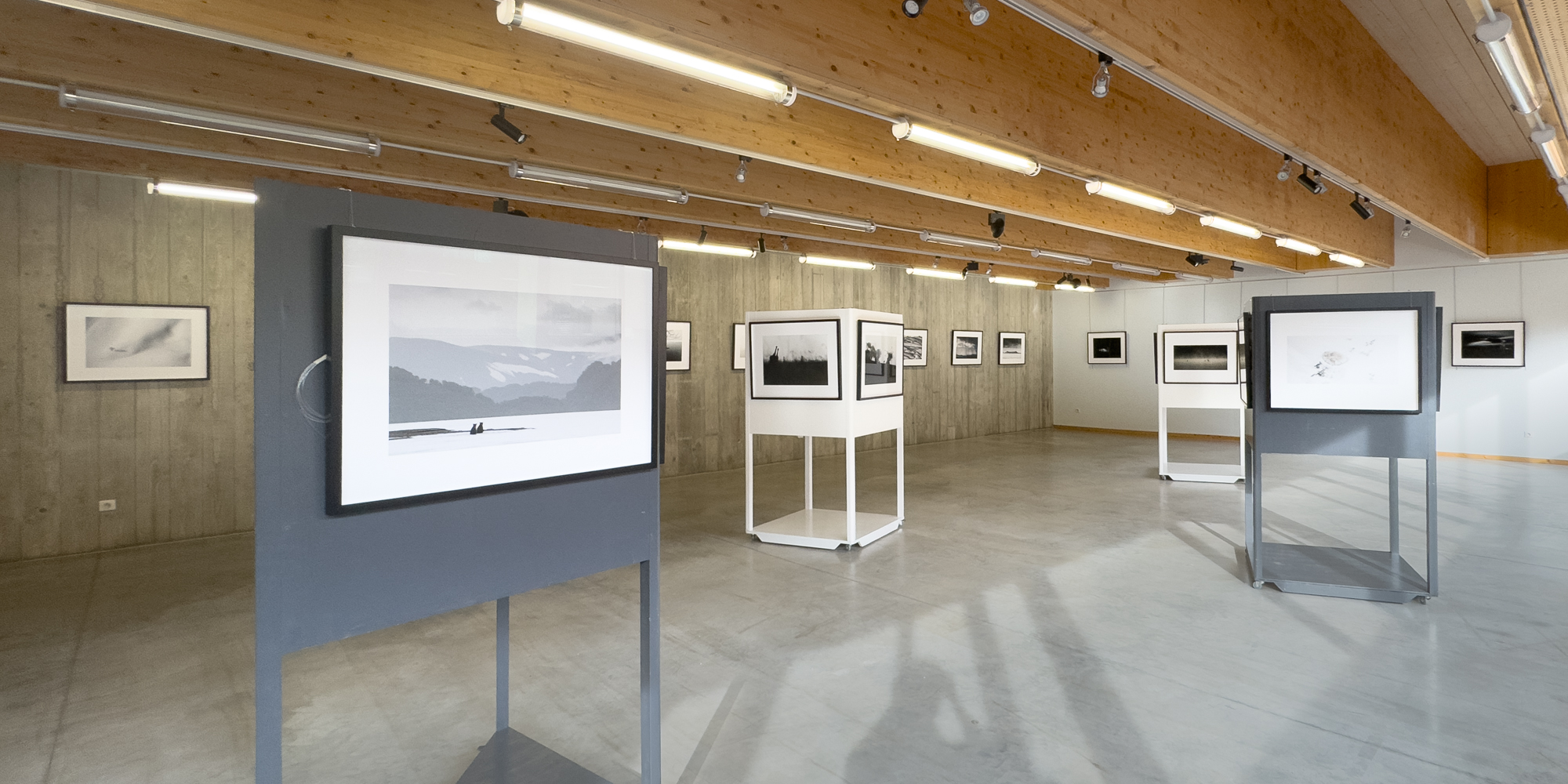
One amazes us with his color photographs of animals, the other is a virtuoso of black and white. One was born in the Vosges mountains in 1976, the other in the Finnish plains in 1950. Even though more than twenty years separate them and they live 3,000 km apart, Vincent Munier and Pentti Sammallahti have a lot in common: a desire to explore the world, a love and knowledge of nature and animals, a mastery of photographic technique, and a passion for photography books (they have both founded publishing houses). In short, they are united by a beautiful humanity and a unique perspective imbued with a curiosity that has not been eroded by years of practice. The idea of bringing them together came naturally to us, knowing Vincent Munier's admiration for Pentti Sammallahti's work.
Museum of Confluences
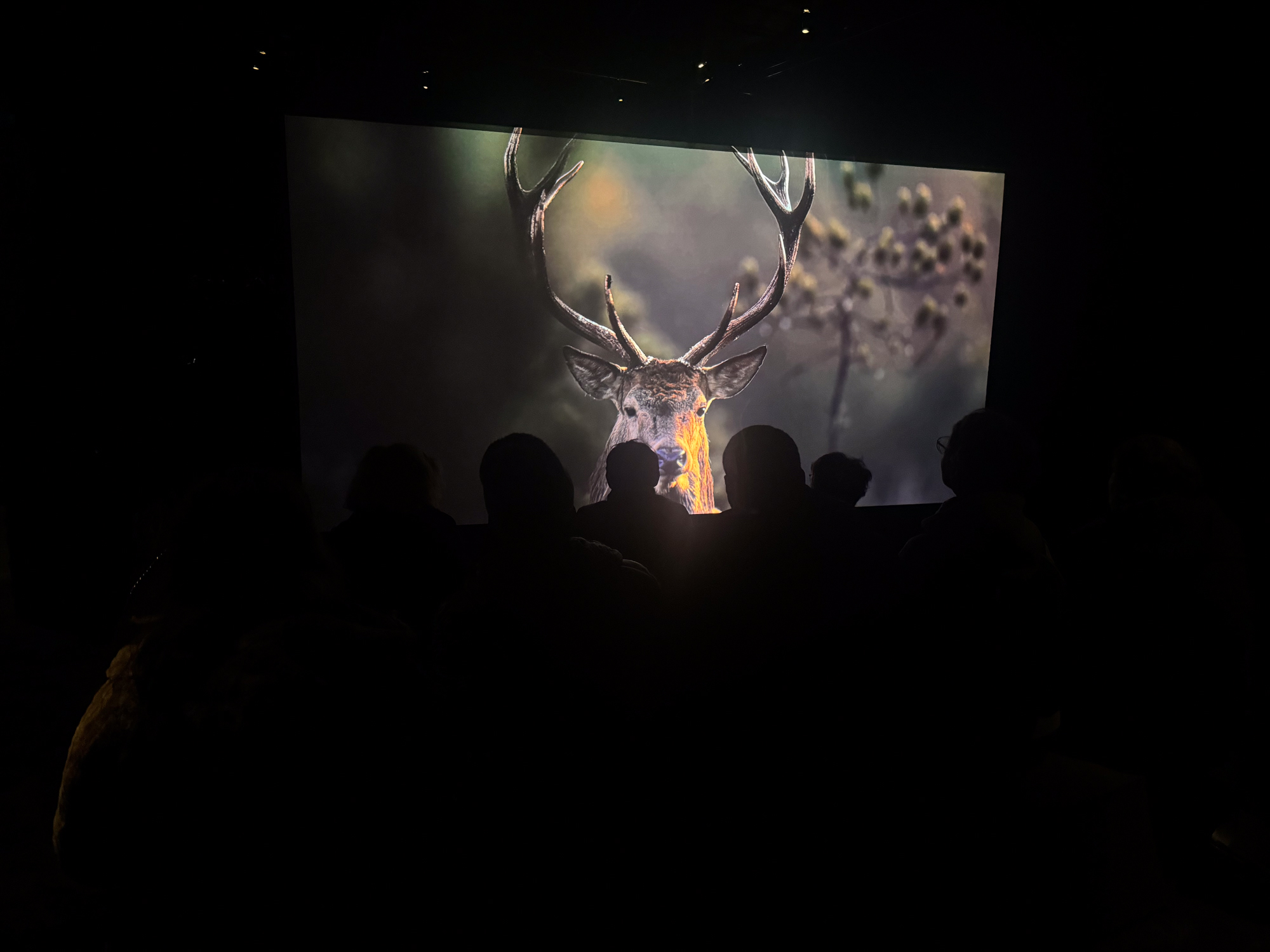
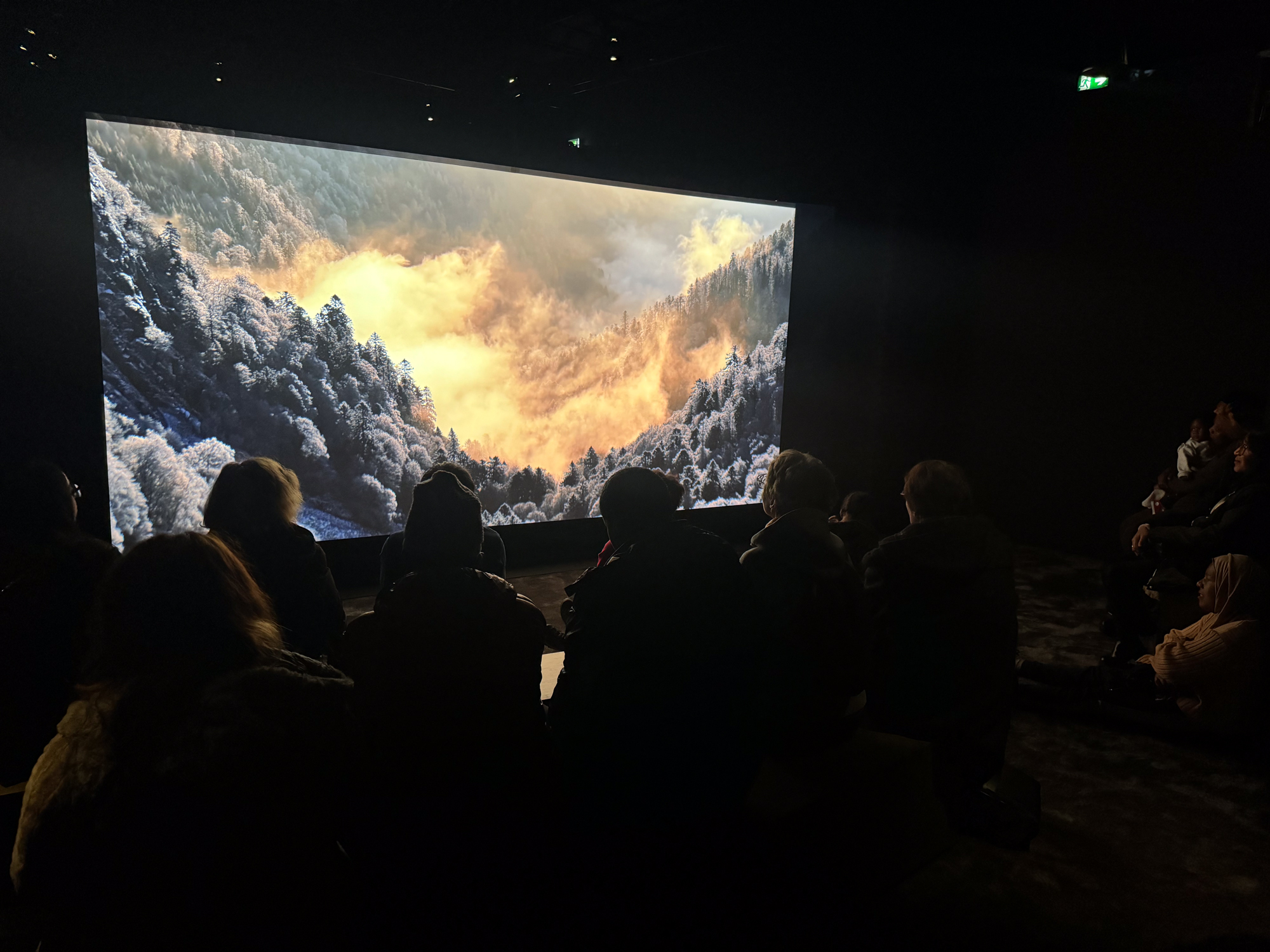
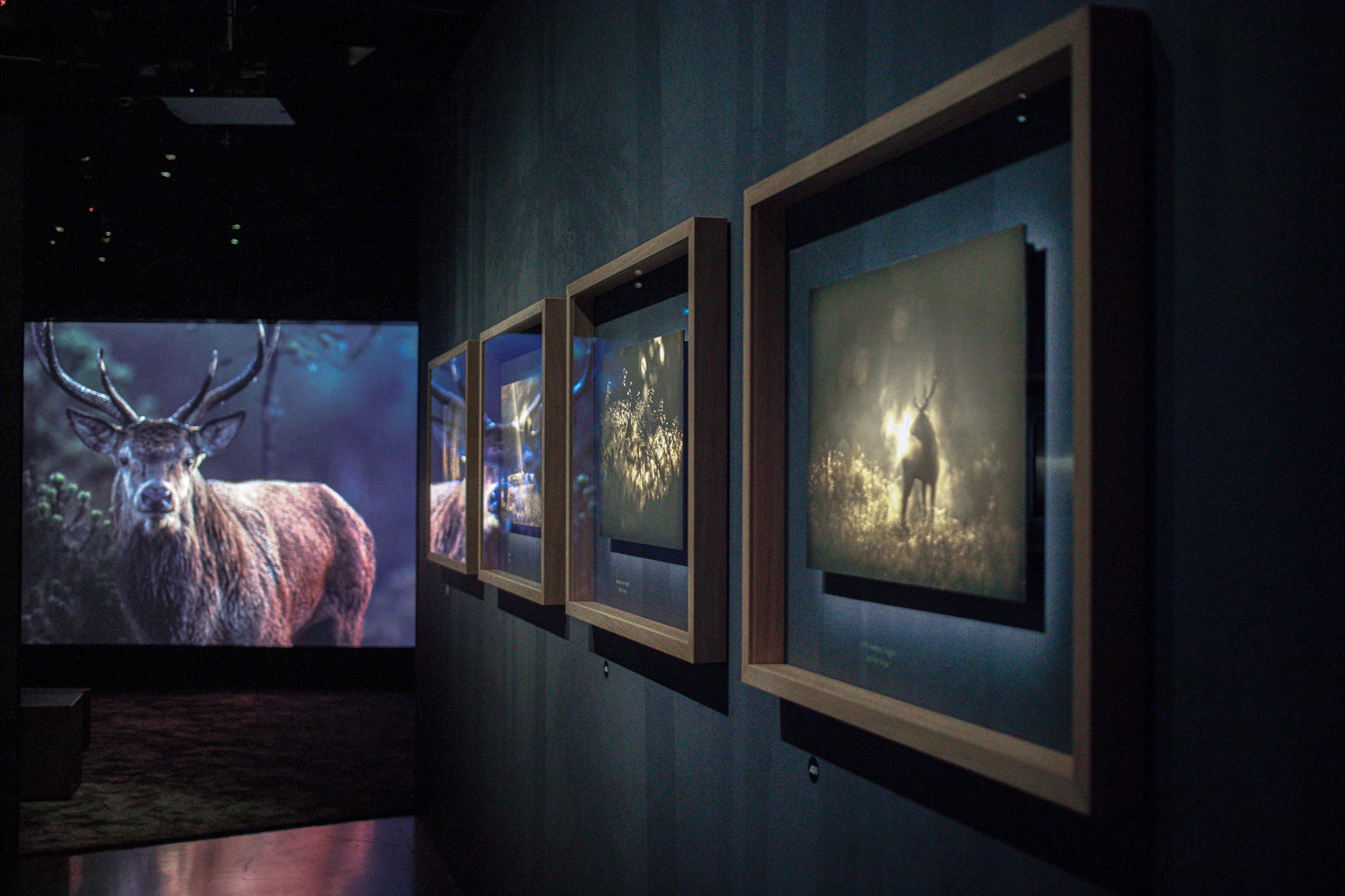
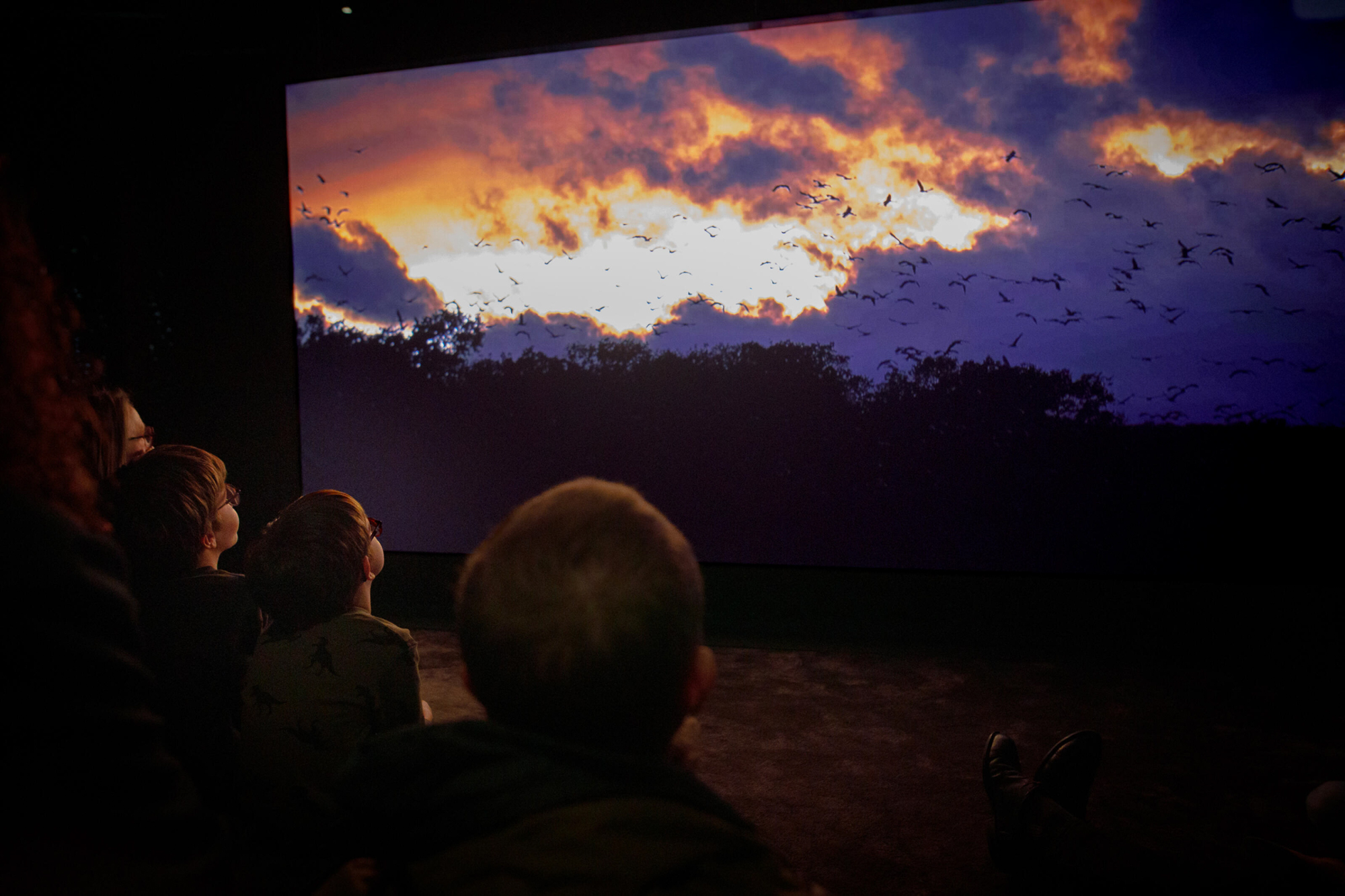
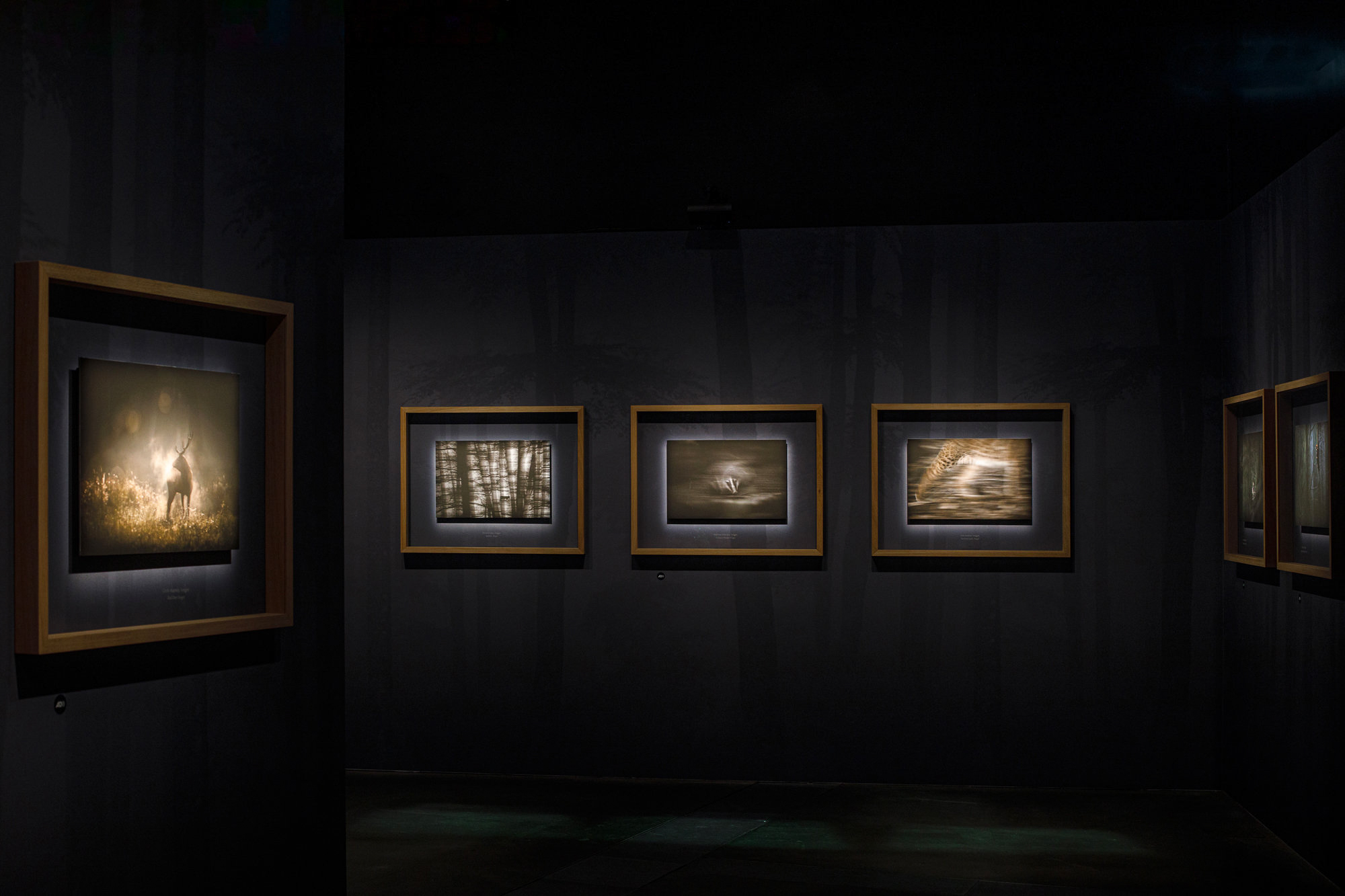
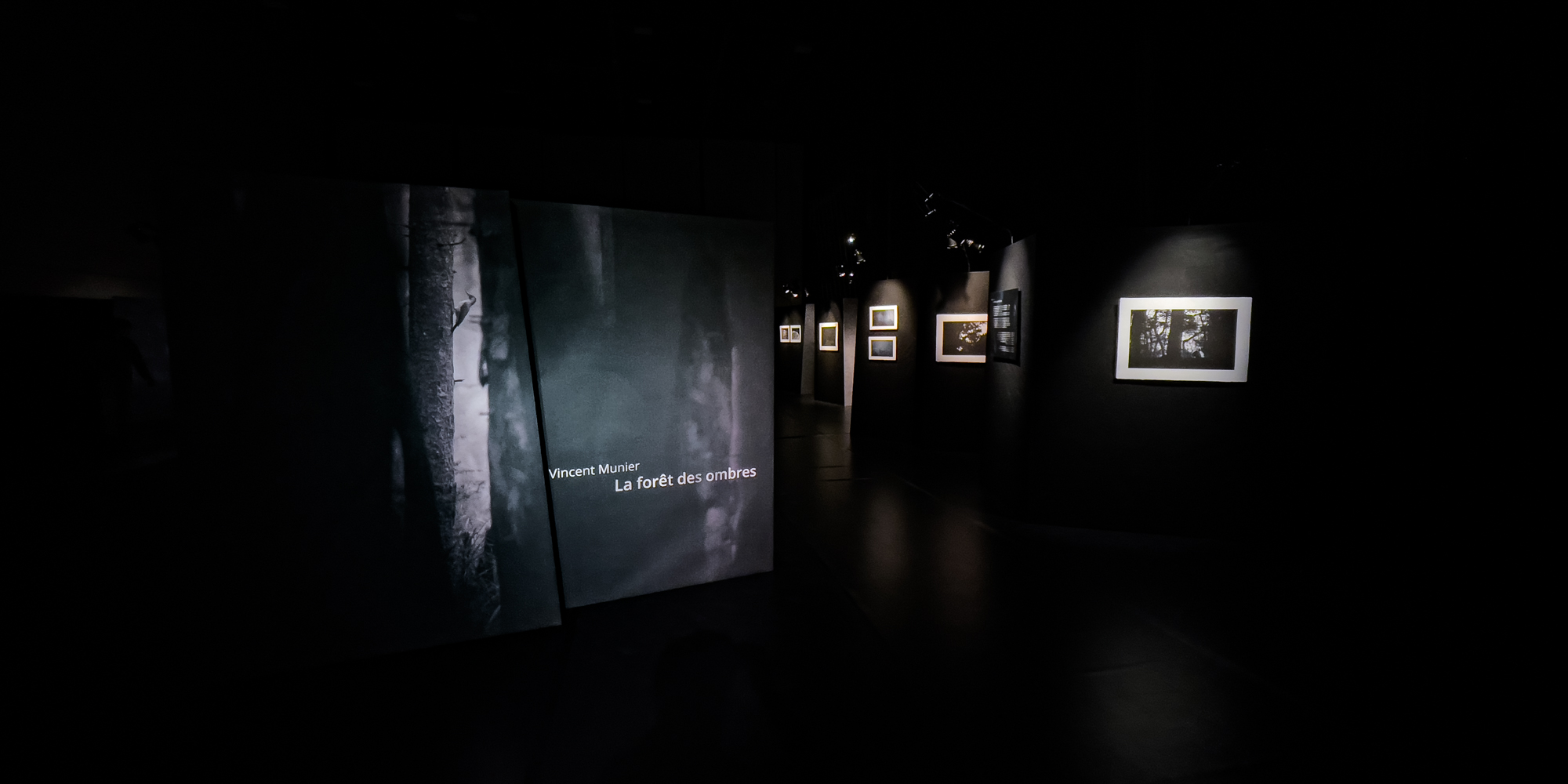
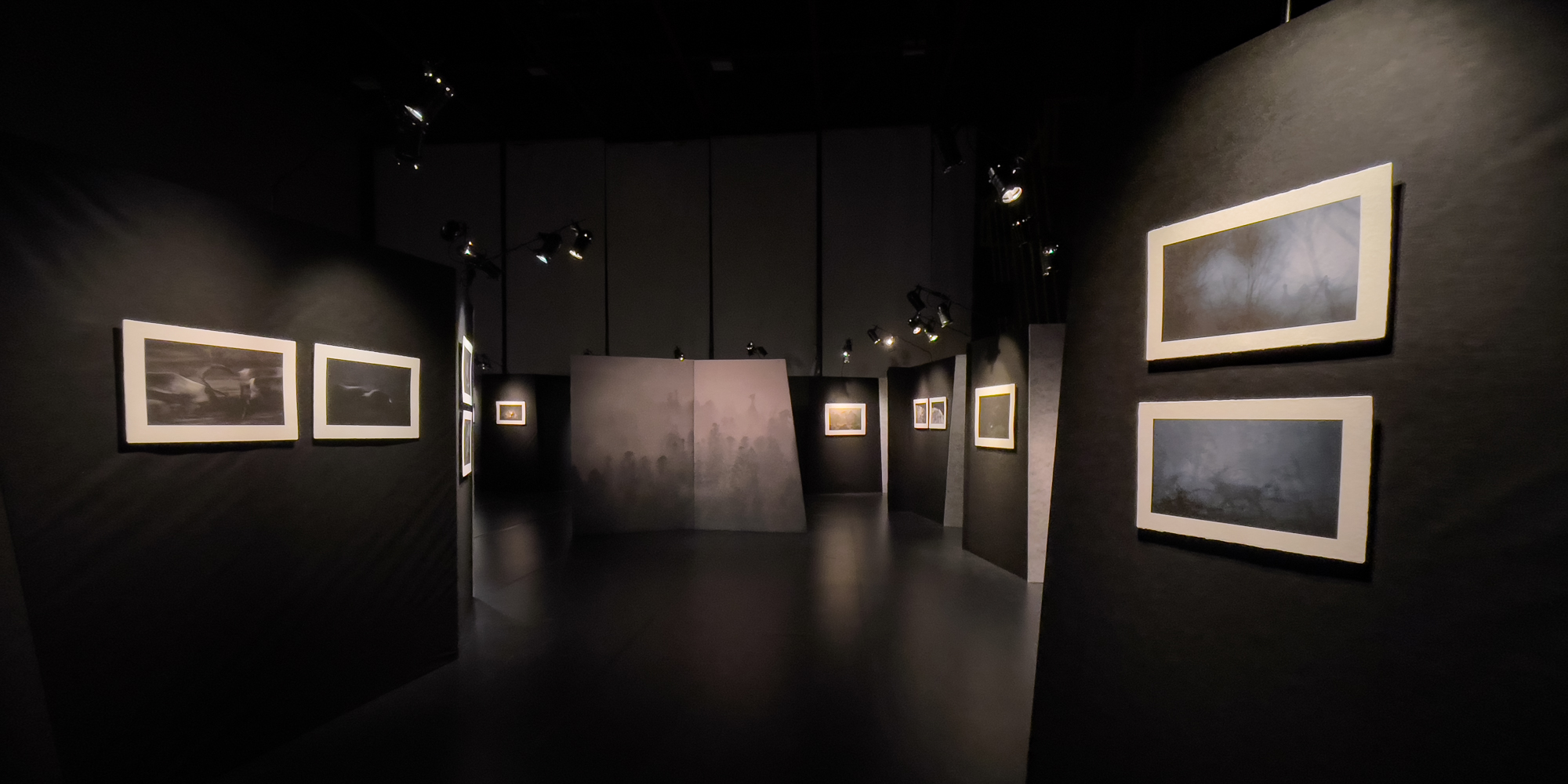
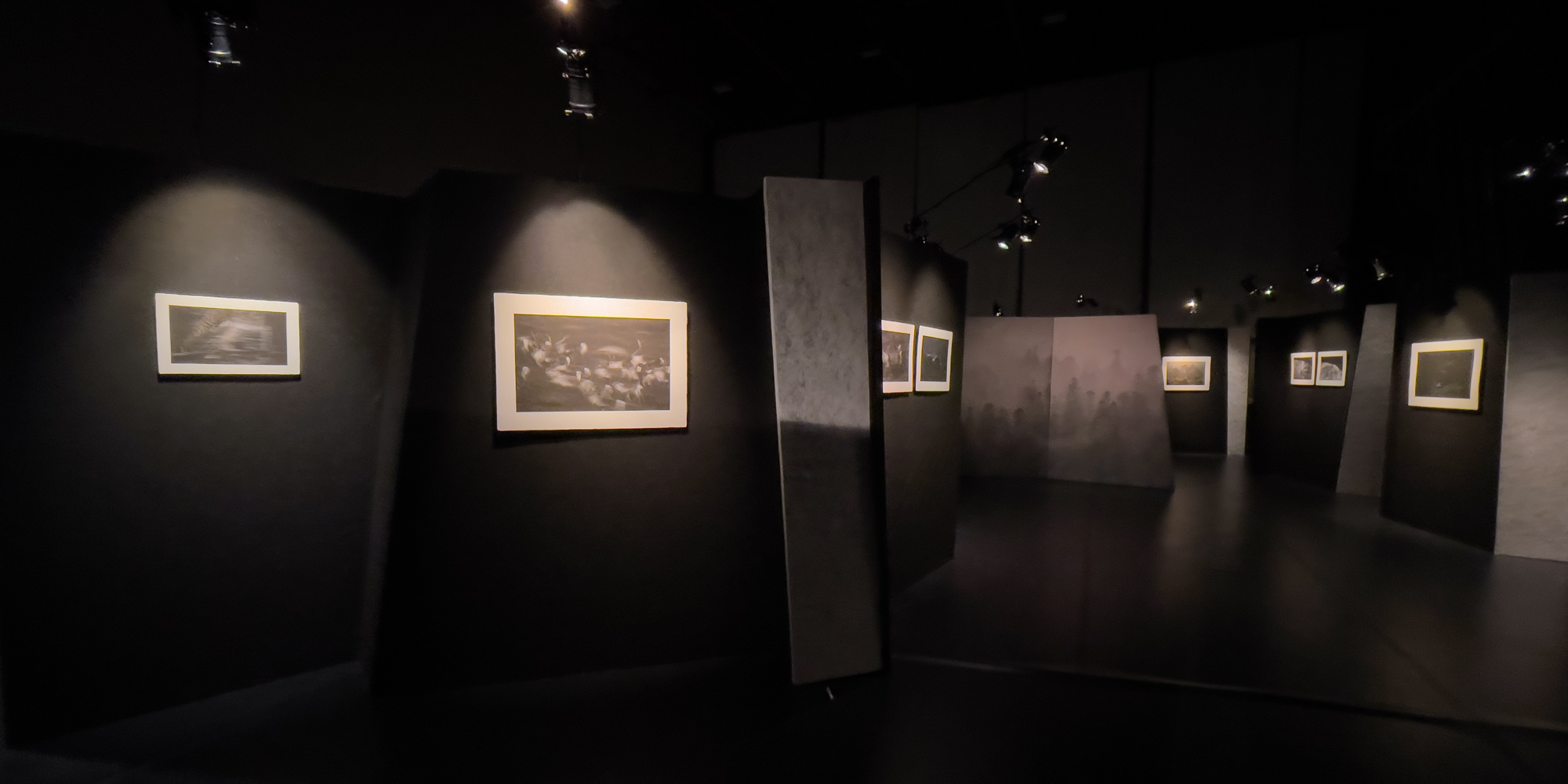
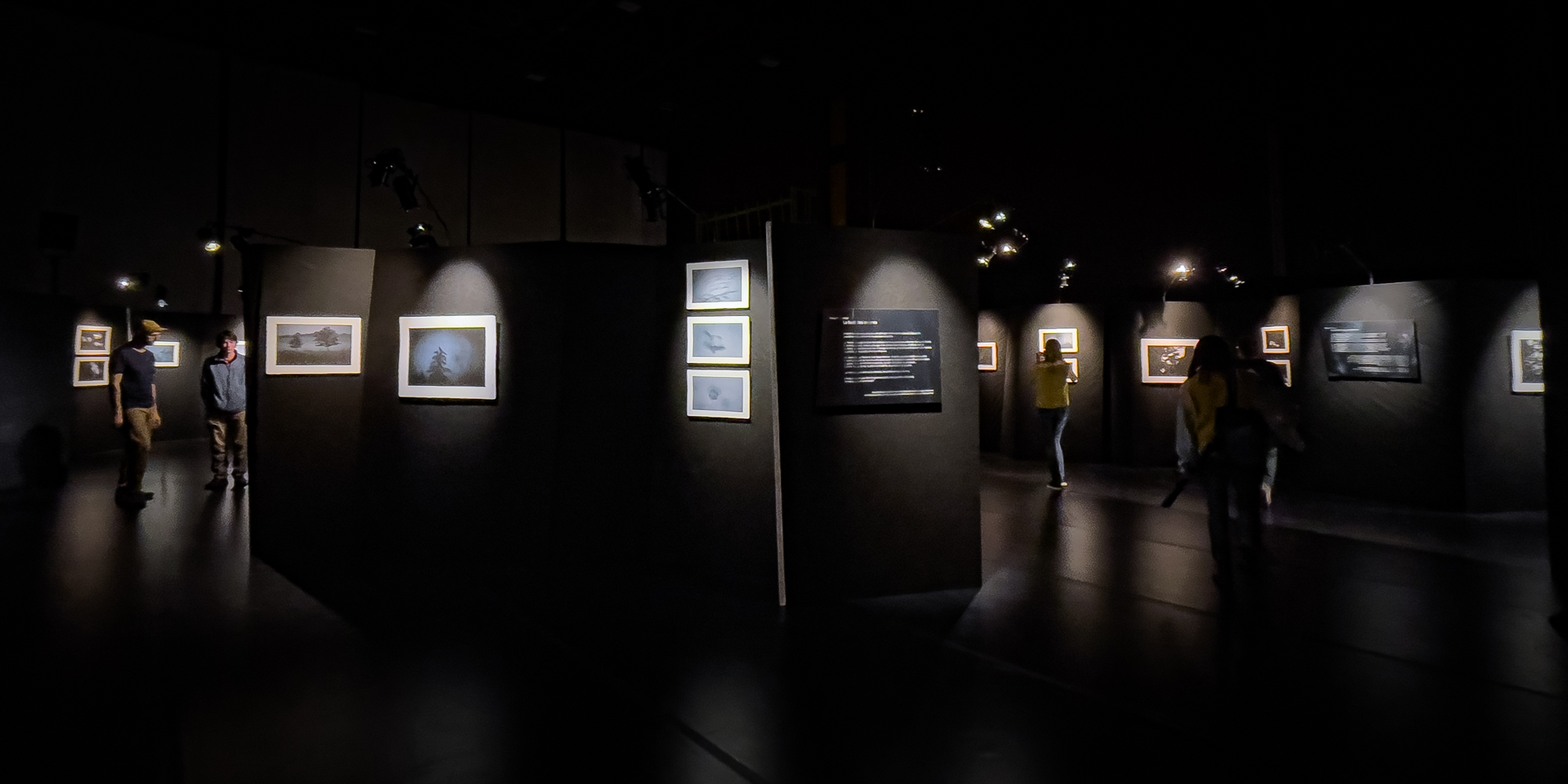
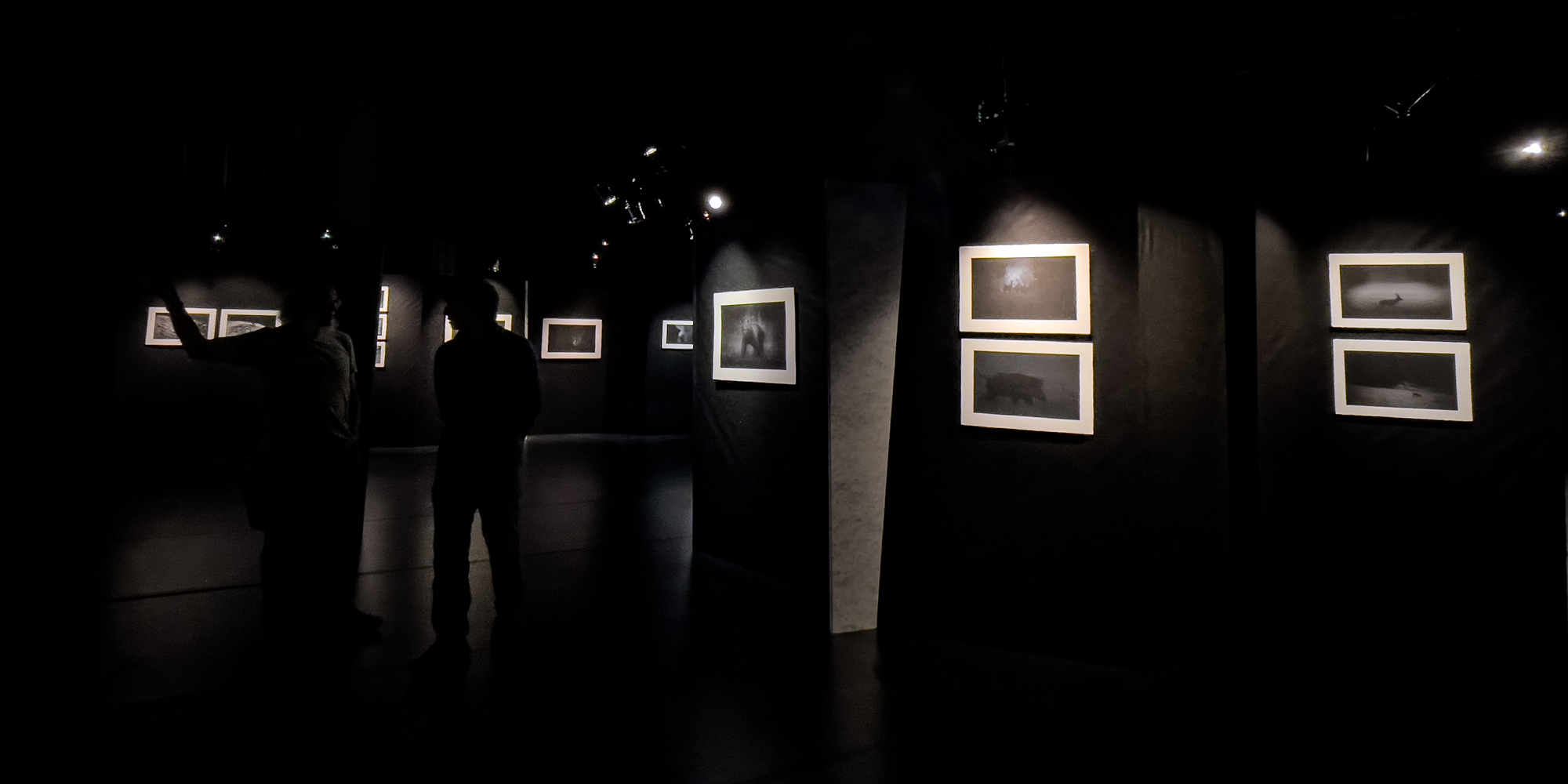
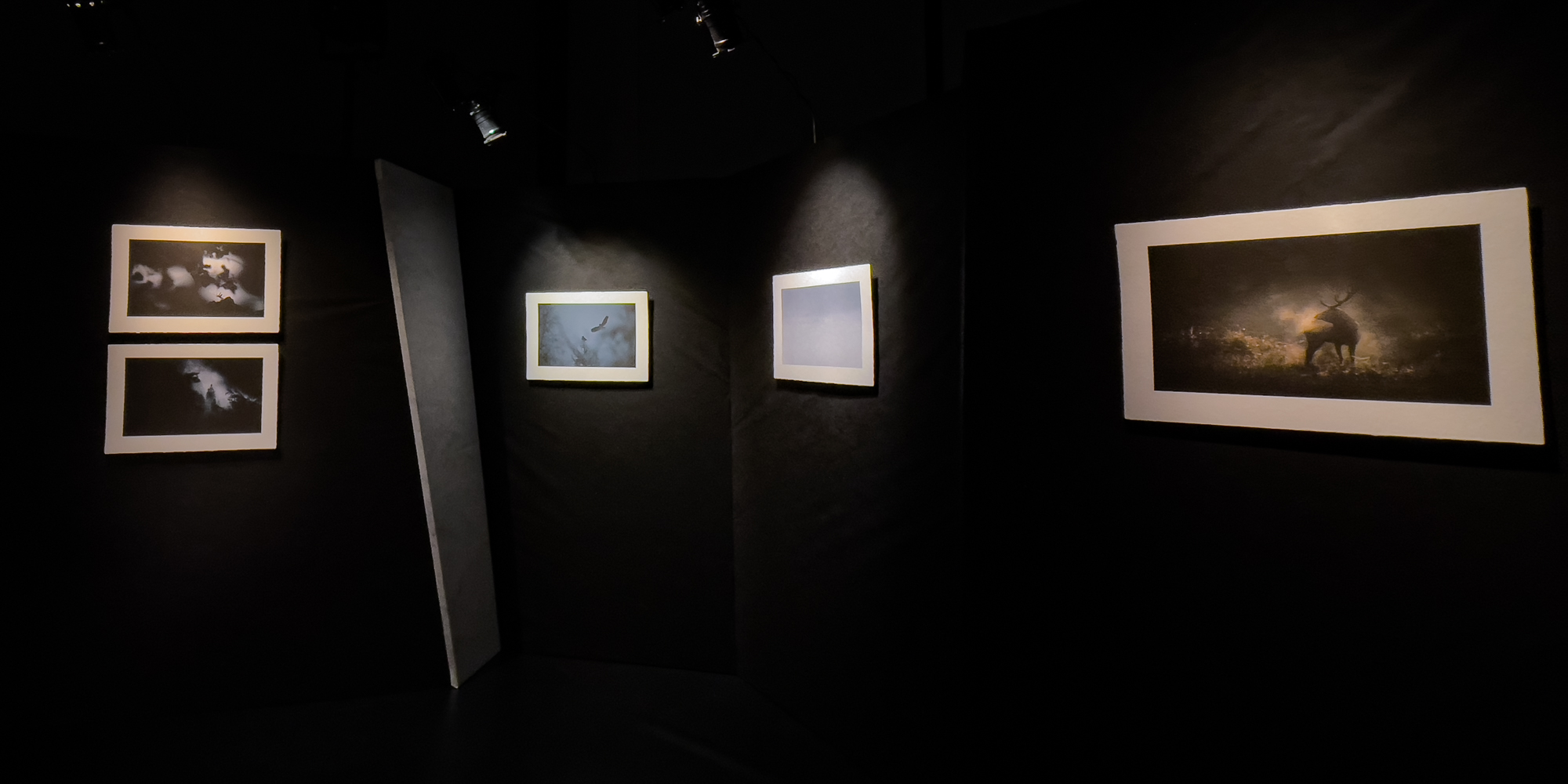
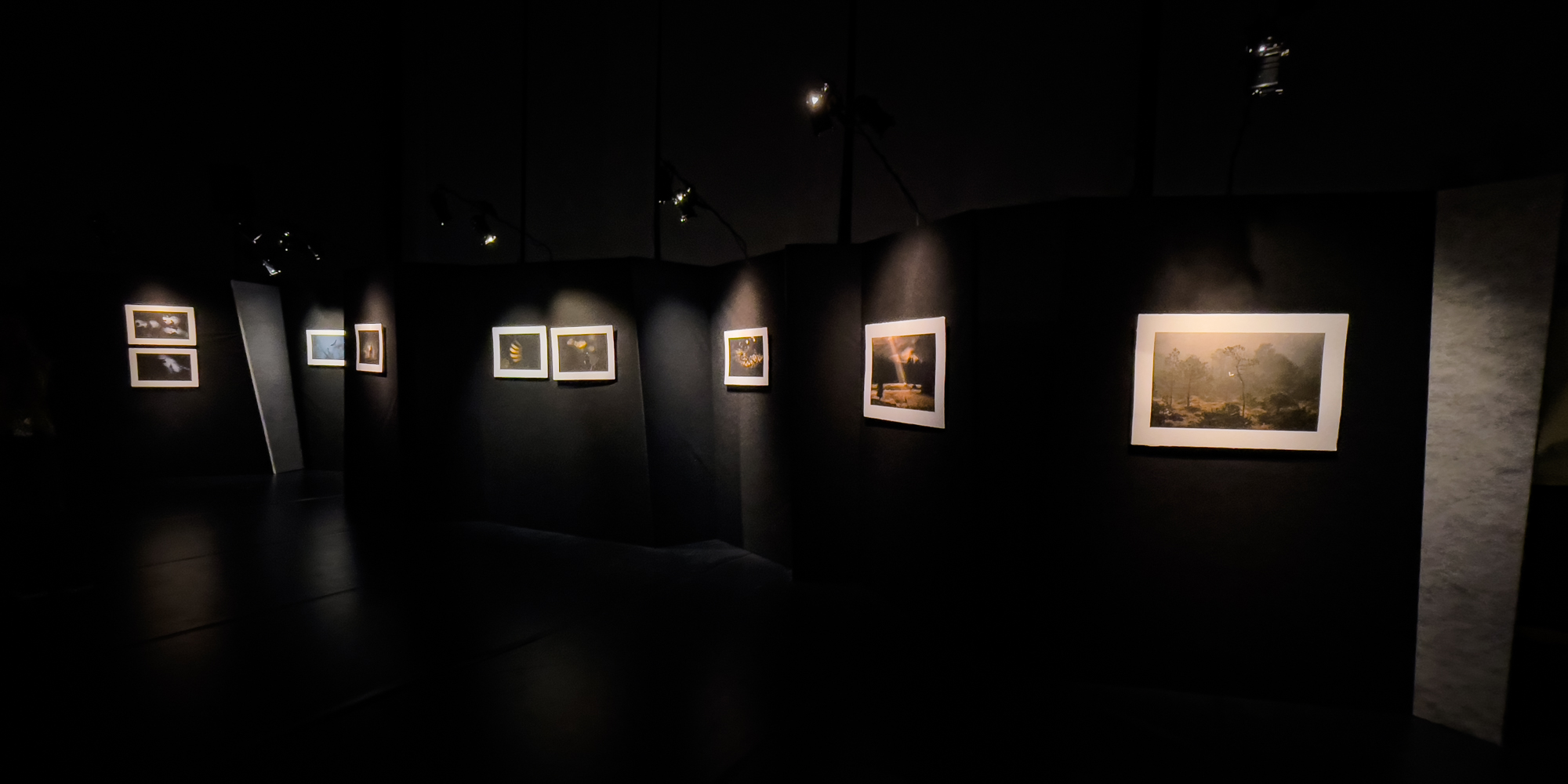
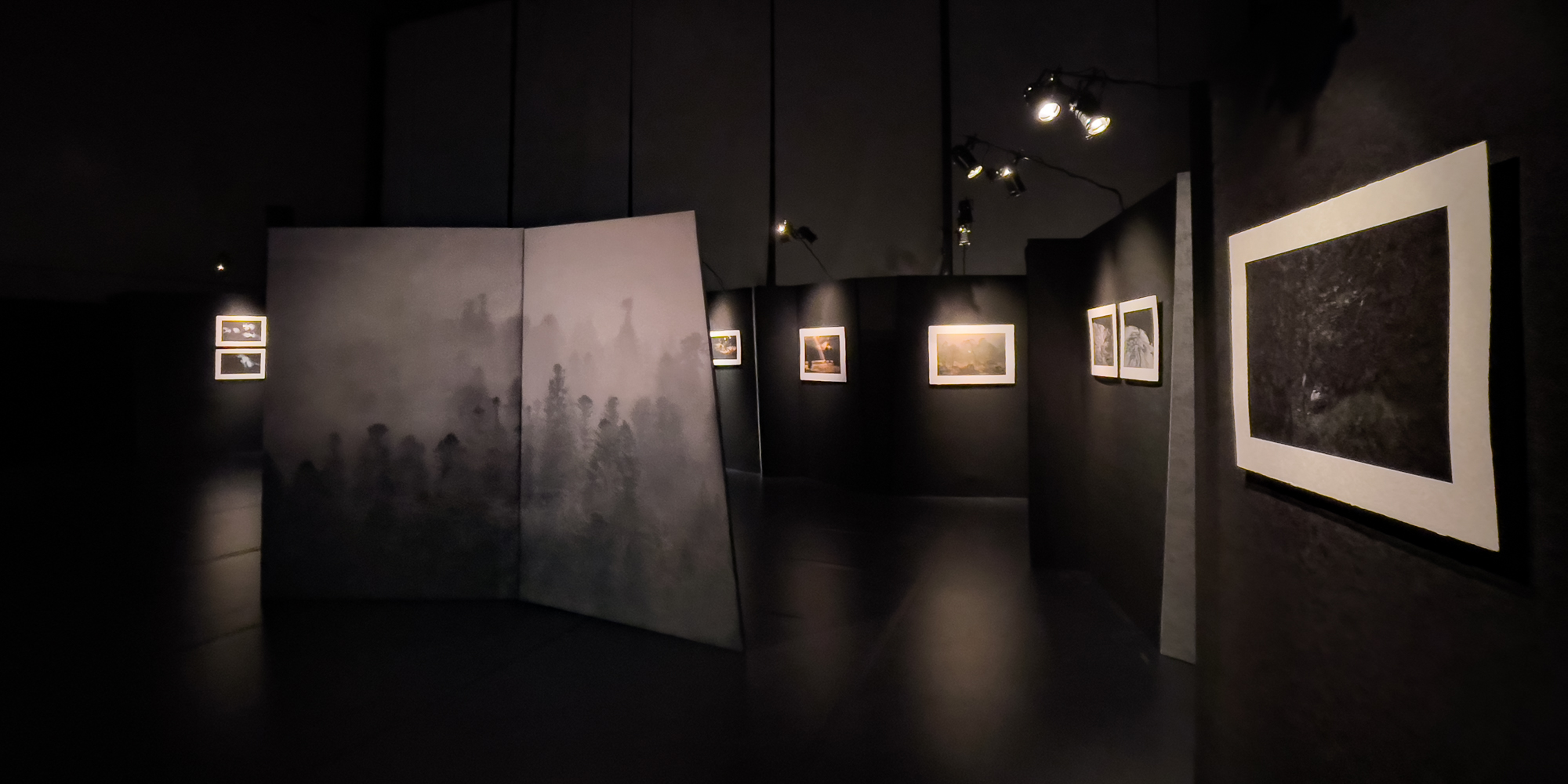
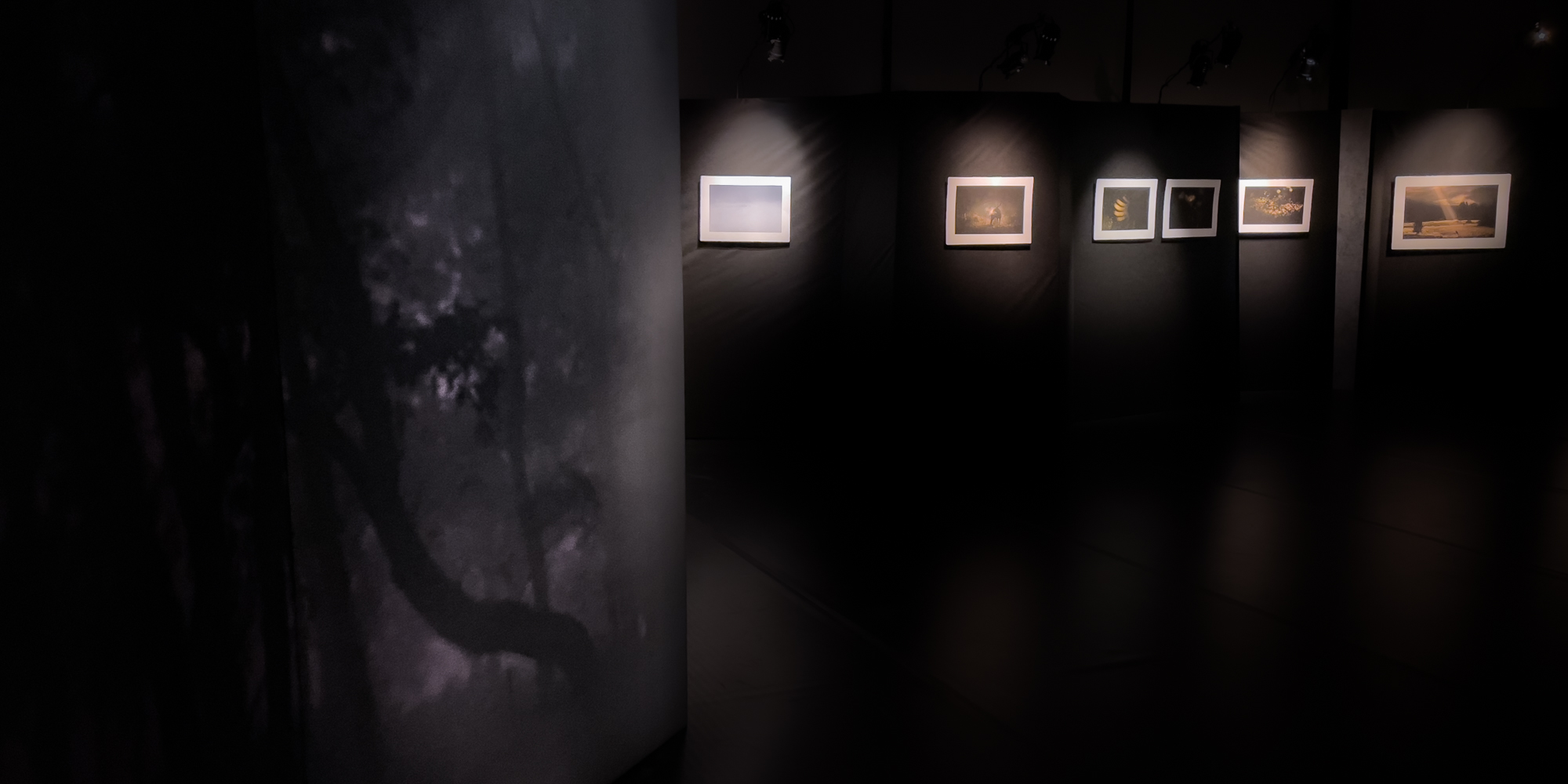
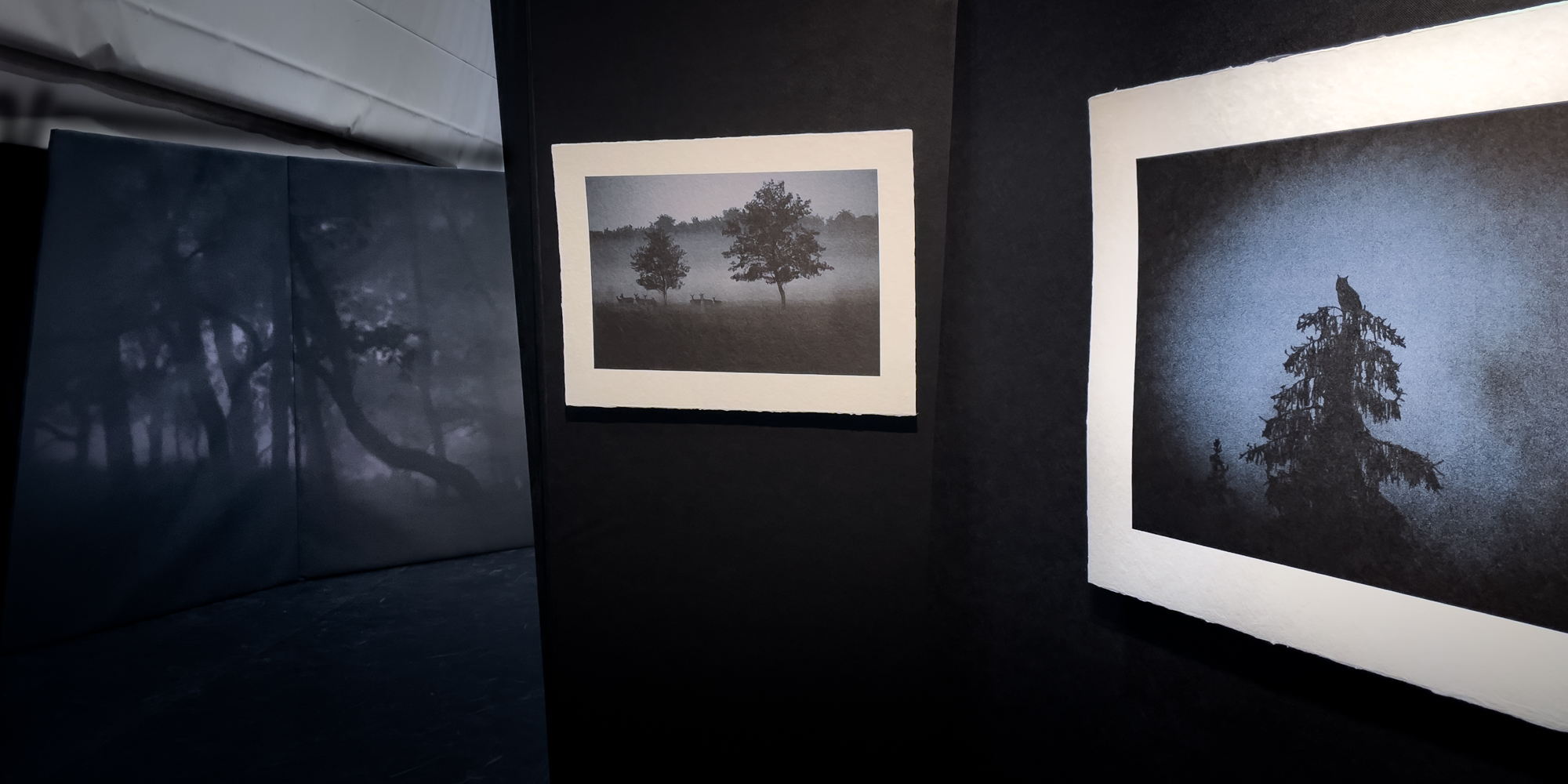
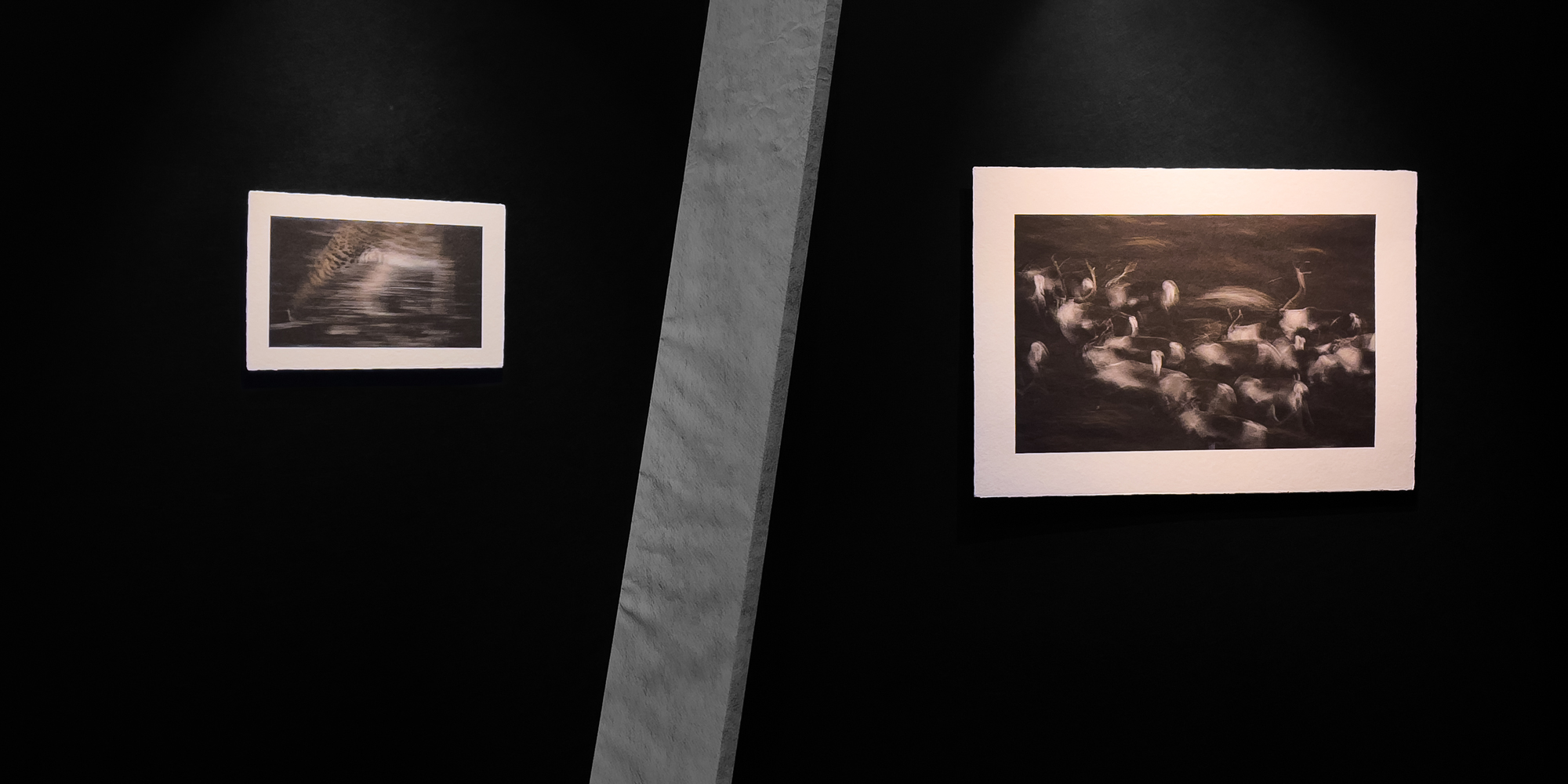
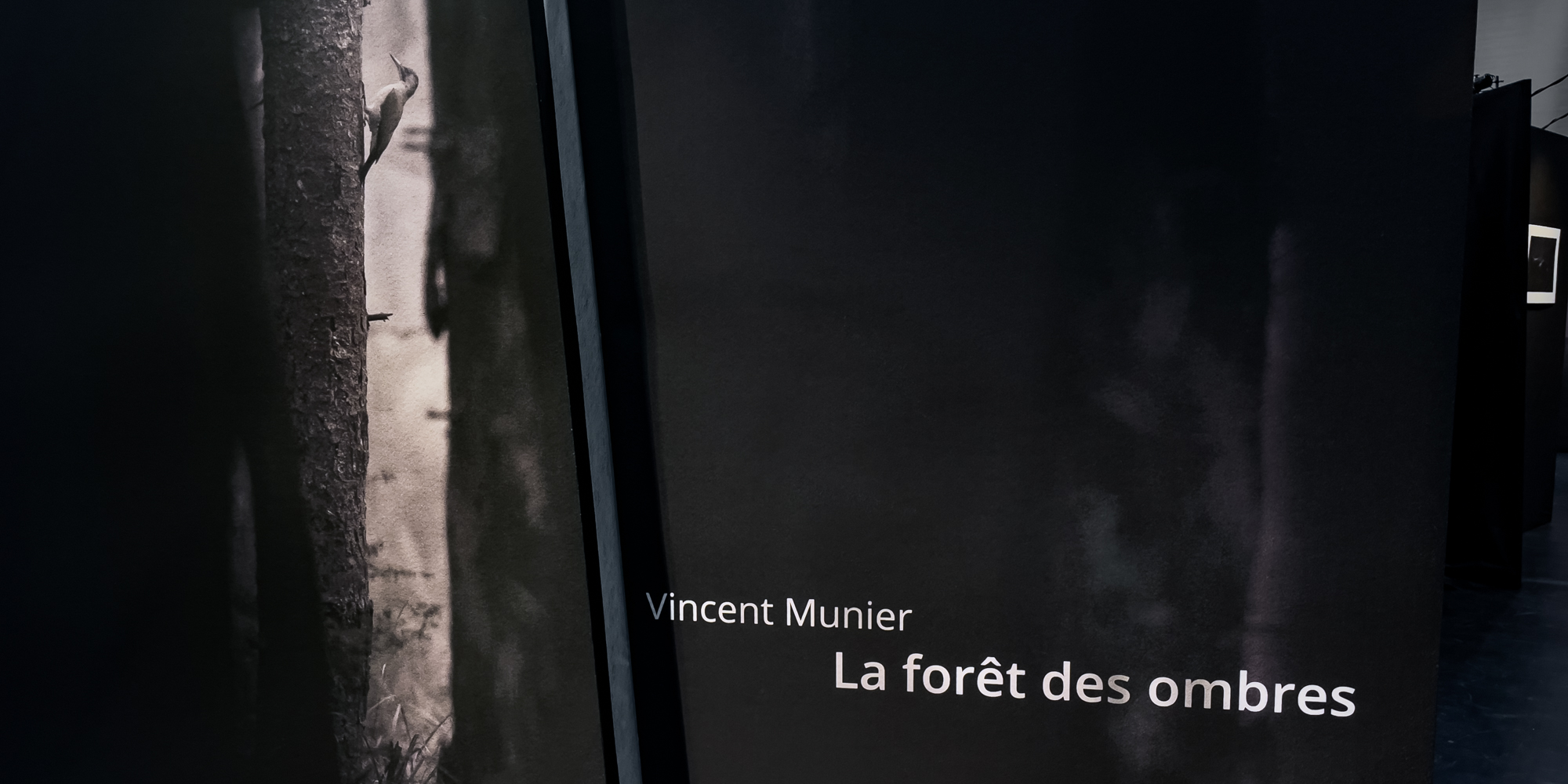
From dusk to dawn, the forest is the setting for a teeming life. Photographer and filmmaker Vincent Munier, who loves the wilderness, has been exploring French forests, particularly those in the Vosges, since childhood. With this exhibition, he offers us a visual and auditory journey into a natural world that seems familiar but is often misunderstood. Deer, owls, lynx, capercaillies, black woodpeckers... the images, both still and animated, reveal the wildlife that inhabits the forests, inviting us to observe, as if on the lookout, to better marvel at this magnificent and threatened universe.
The exhibition benefits from an audio description experiment thanks to the support of the VISIO Foundation for assistance to visually impaired children and adults. Visitors who are visually impaired or blind can enjoy audio description of 10 of the photographs, the original film, and the general atmosphere of the exhibition and its scenography. Access to this content is available via smartphone or tablet, as well as earphones.
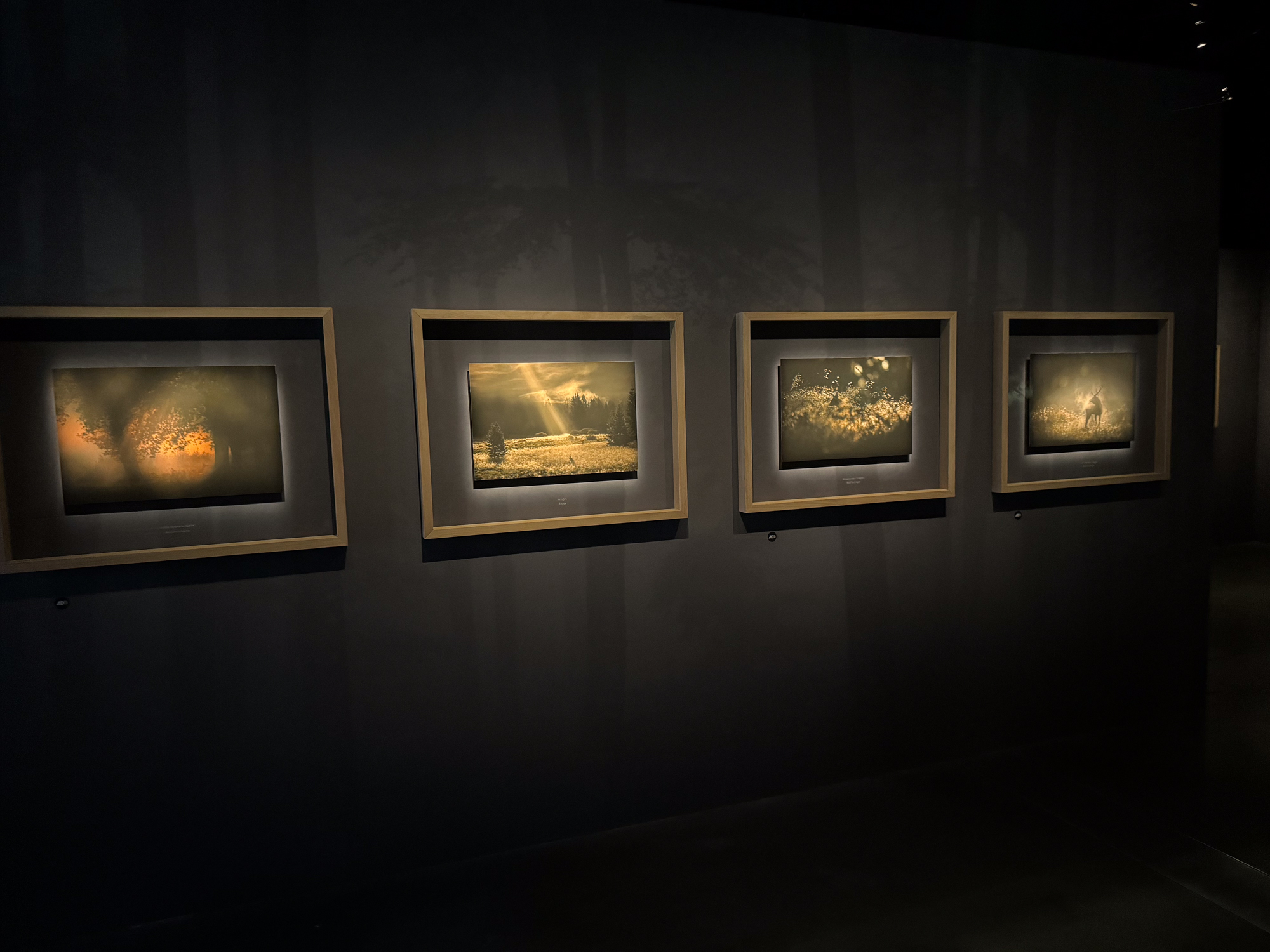
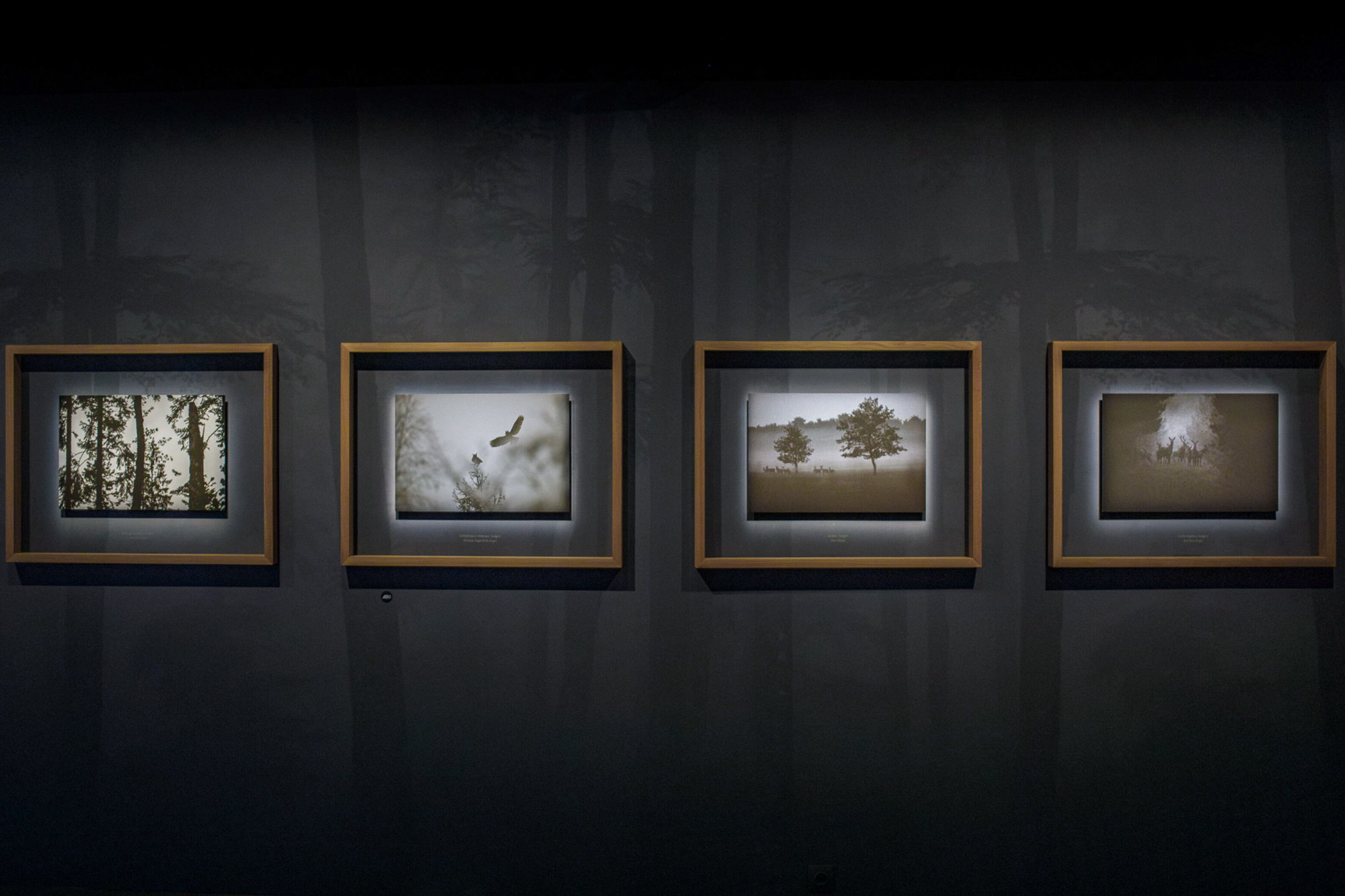
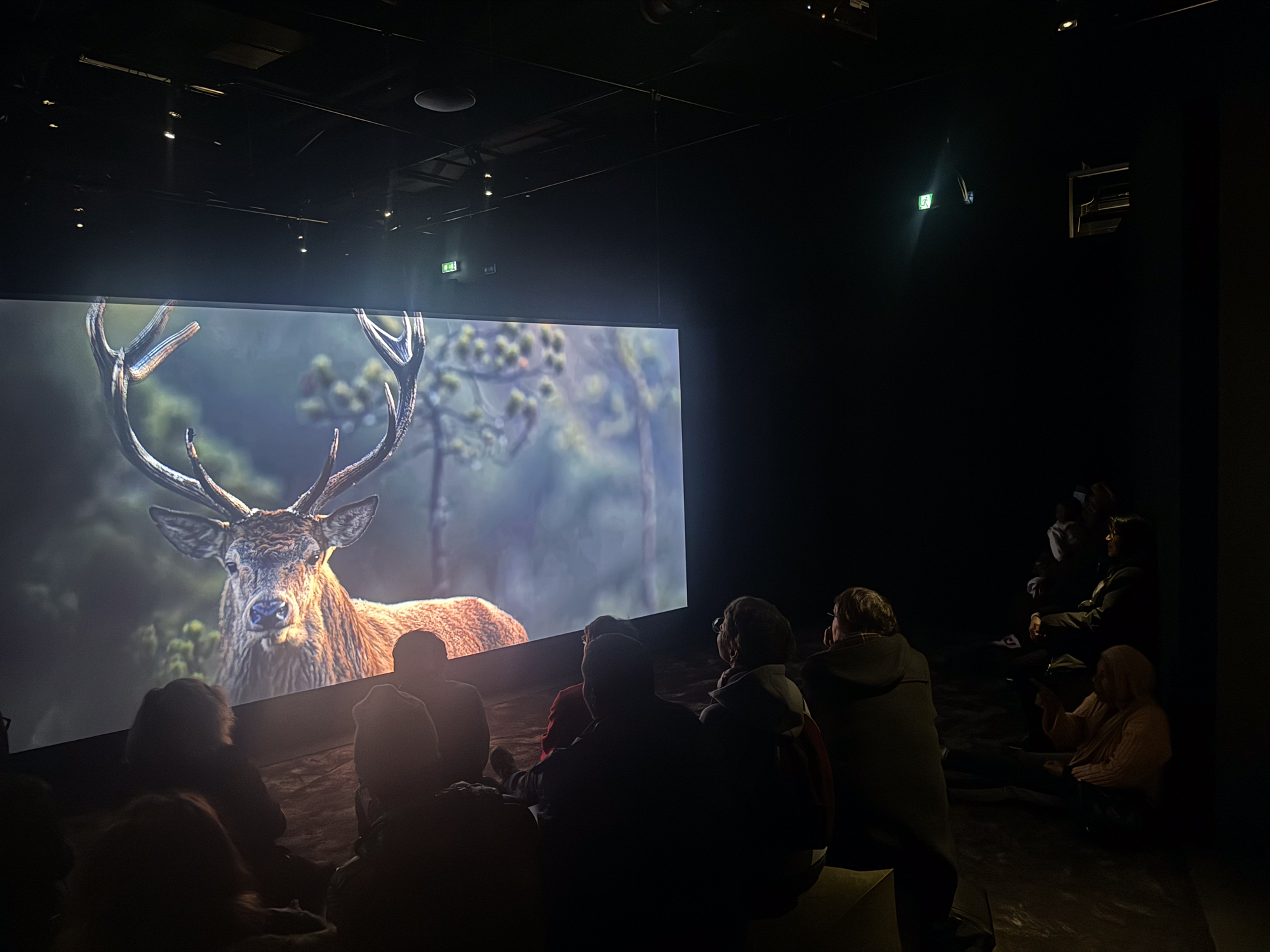
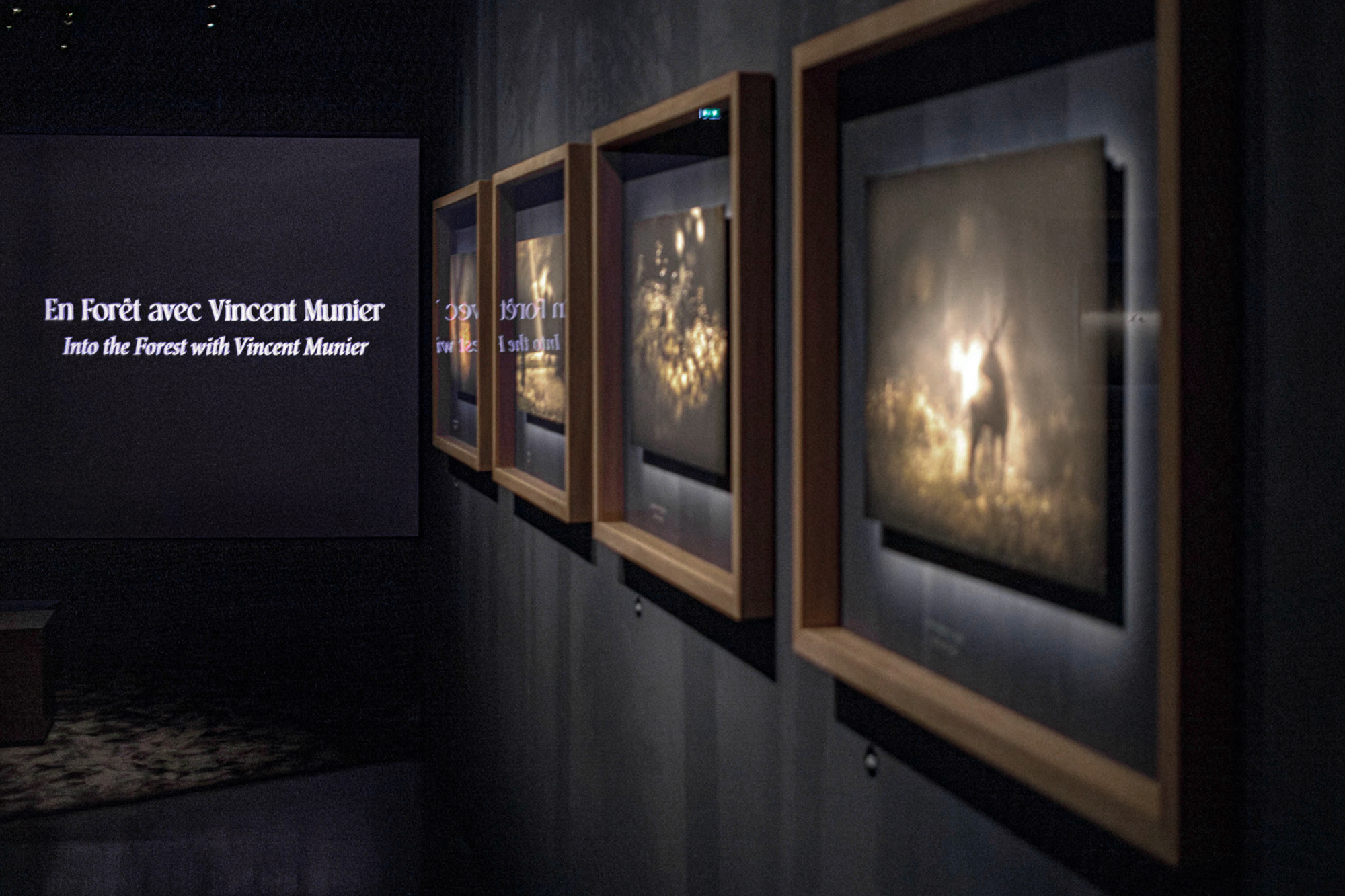
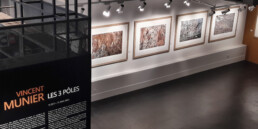
Charles Nègre Museum of Photography
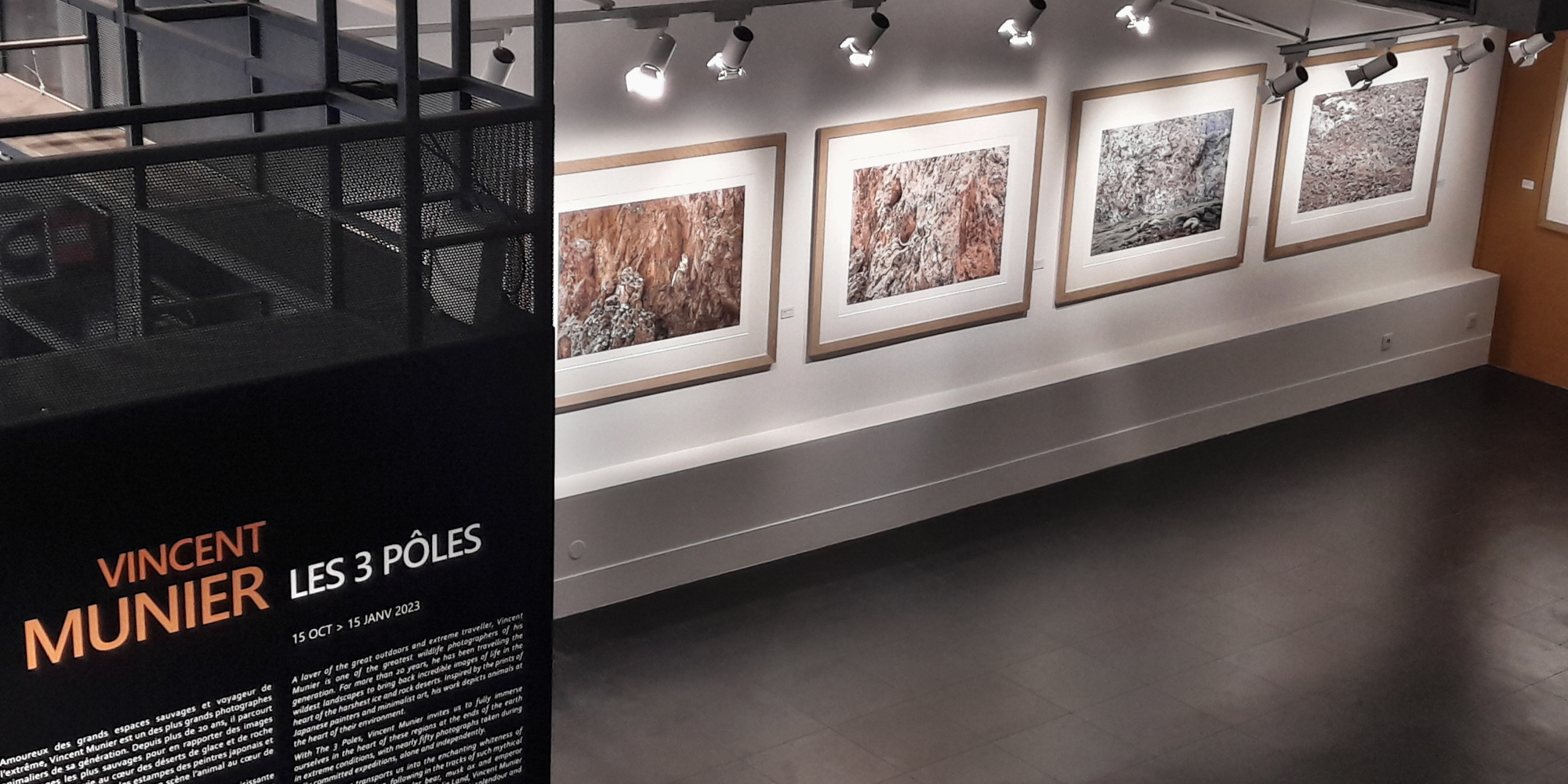
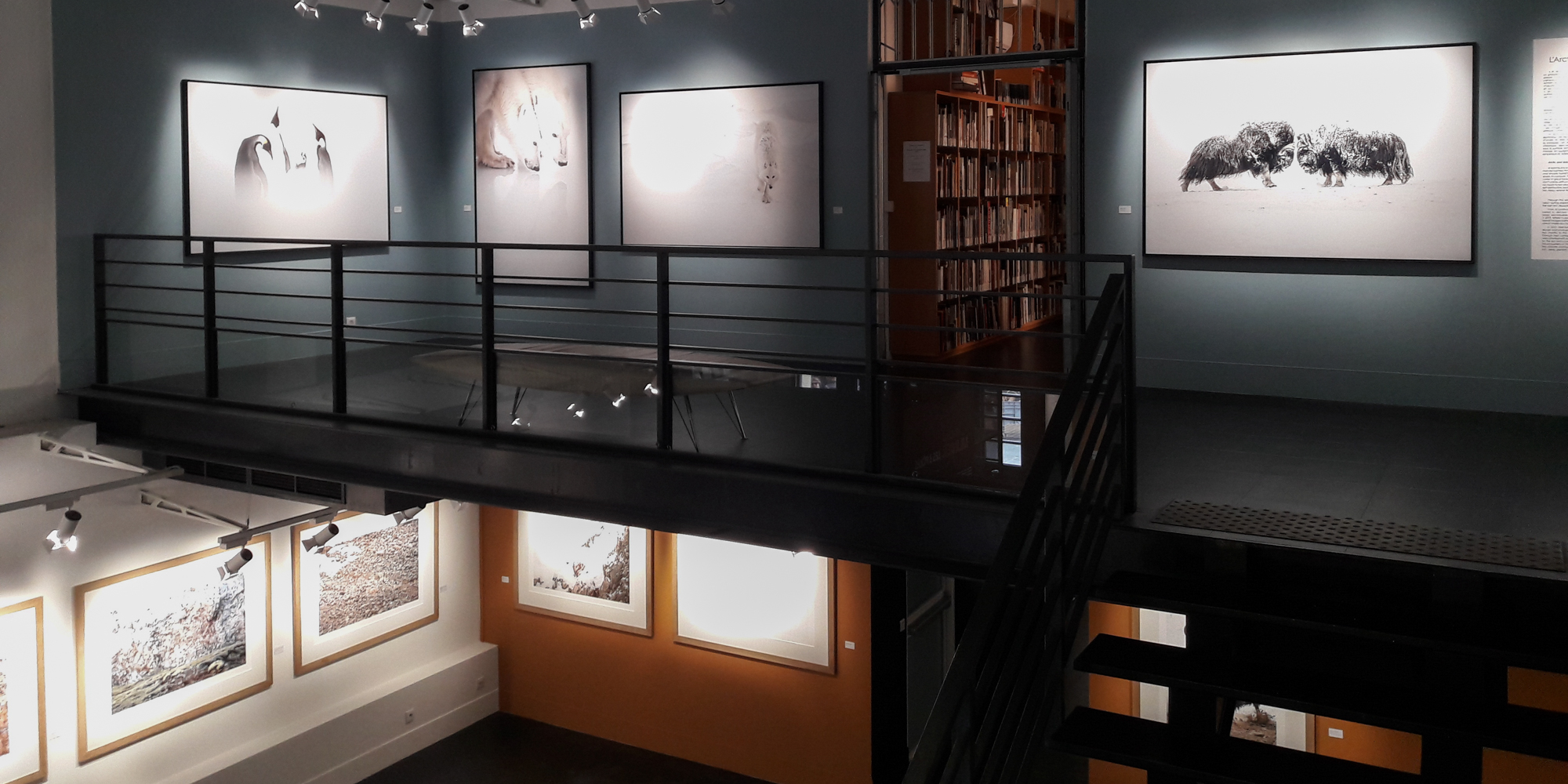
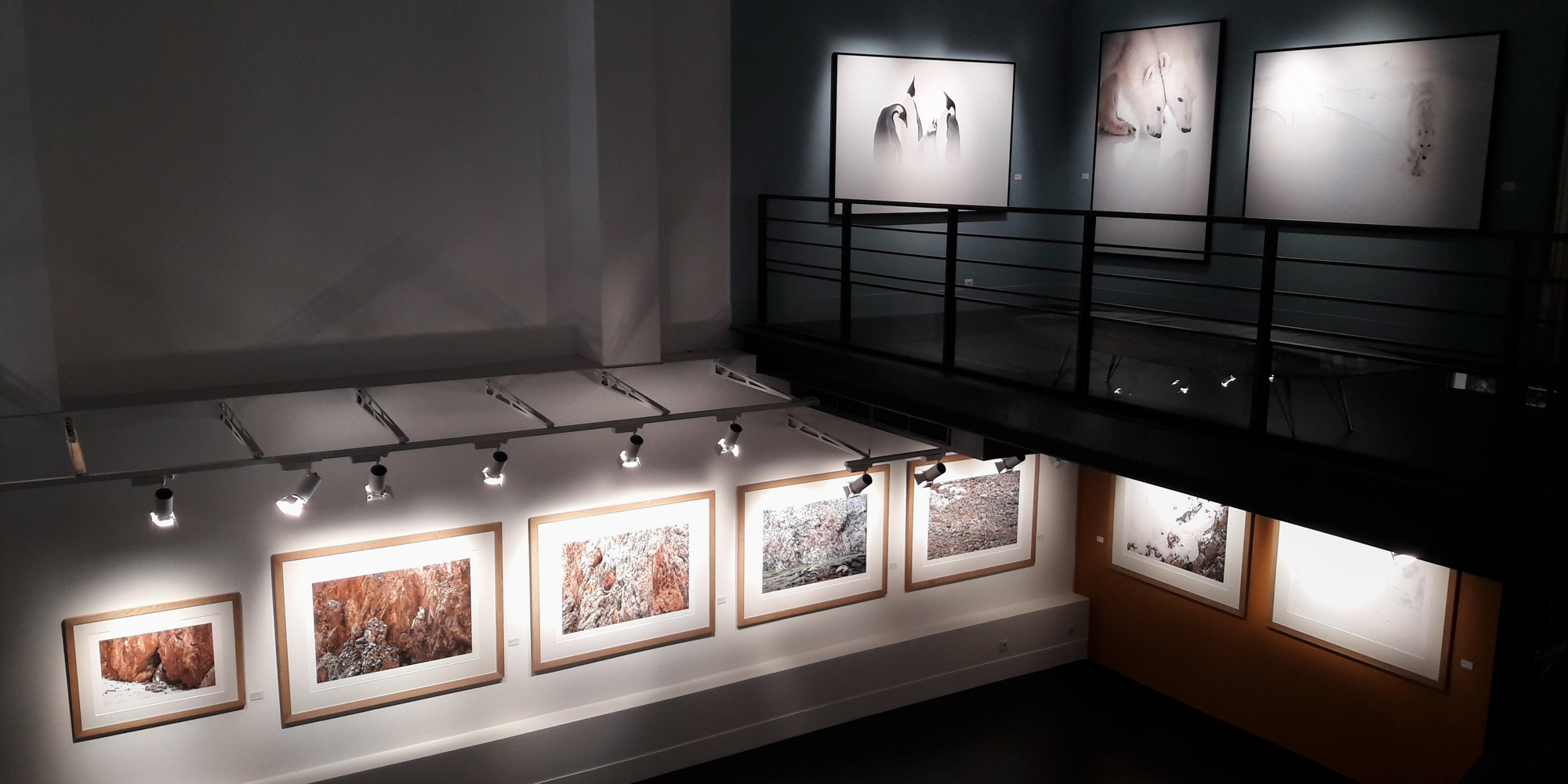
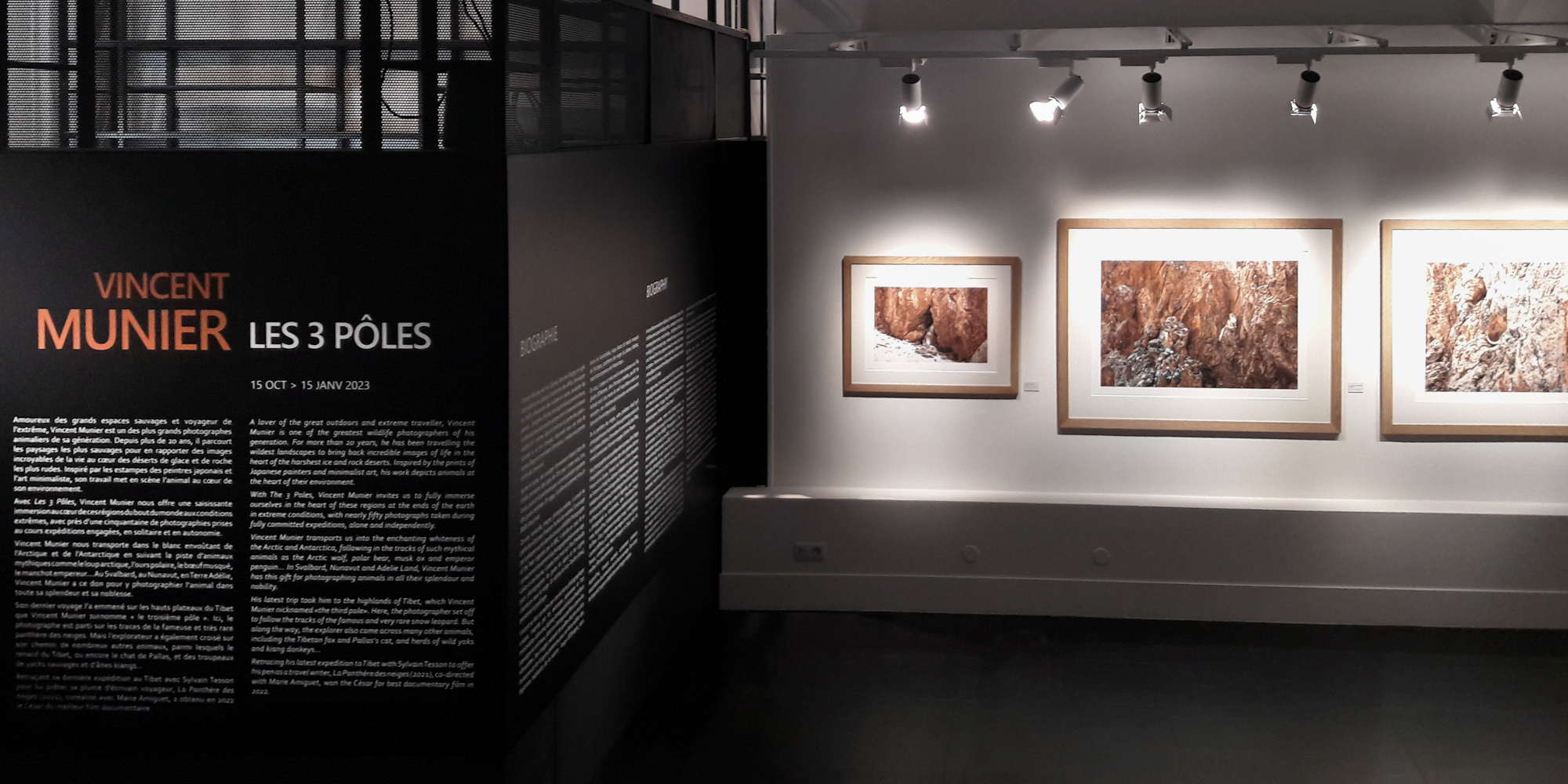
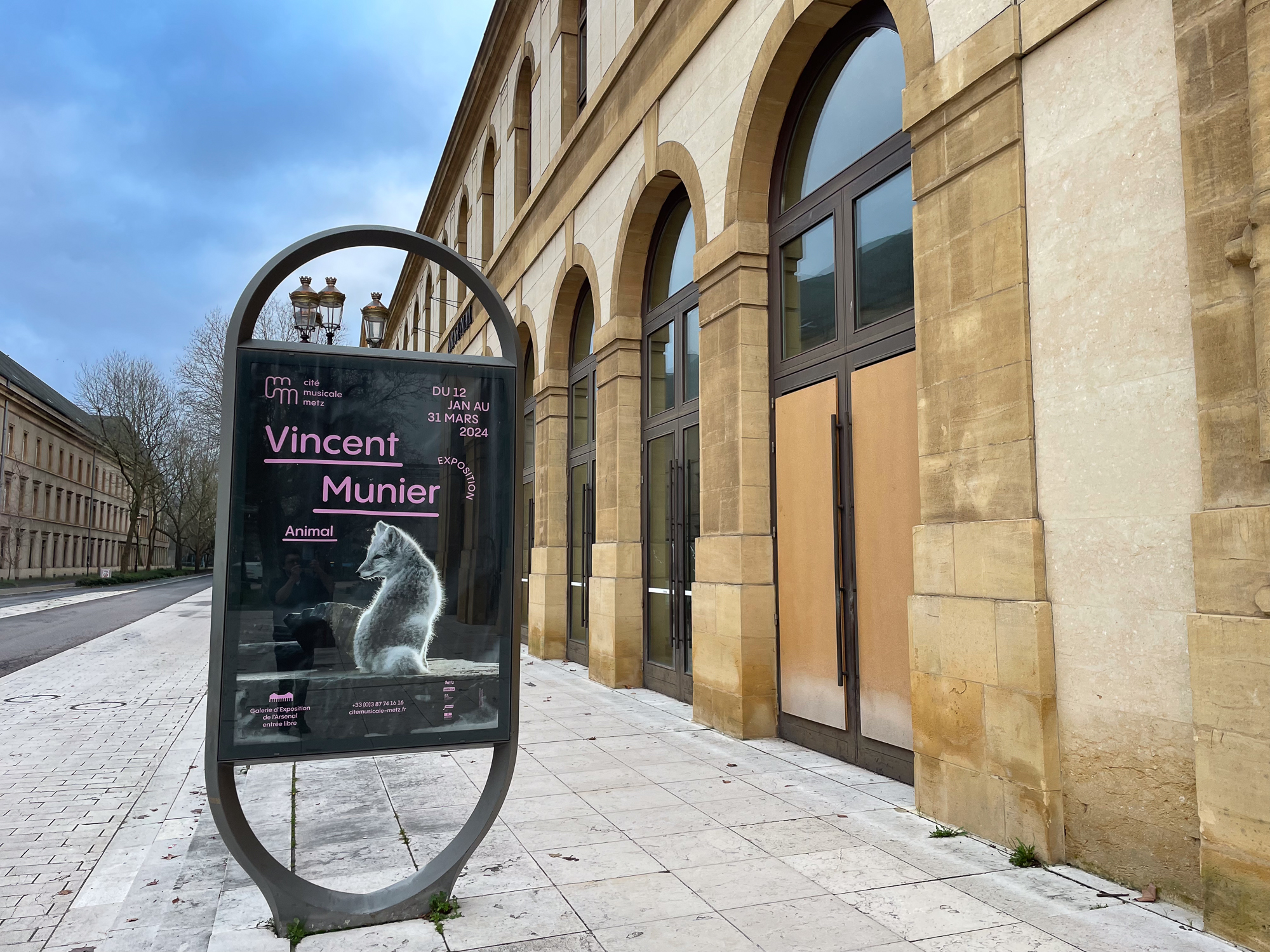
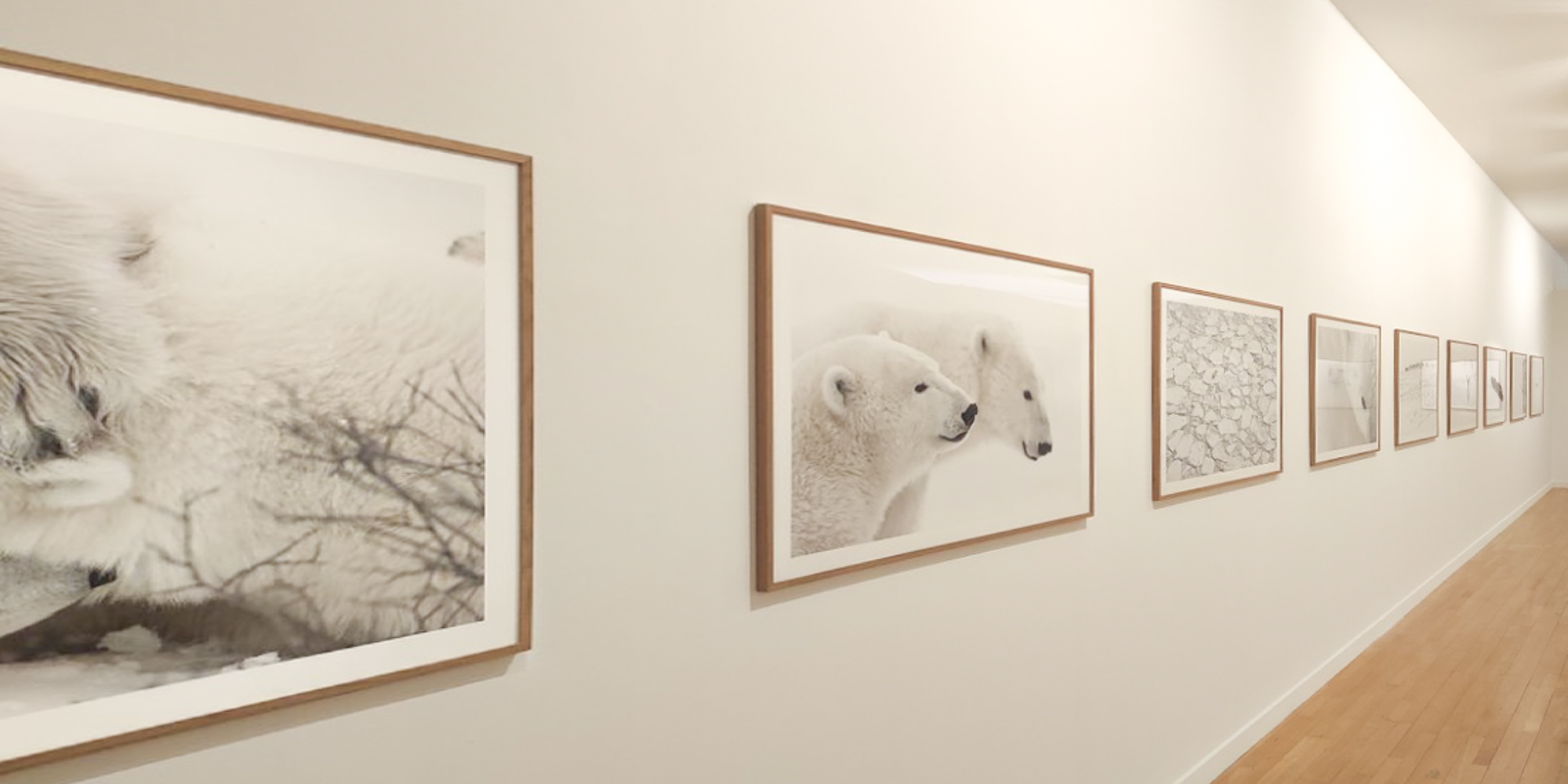
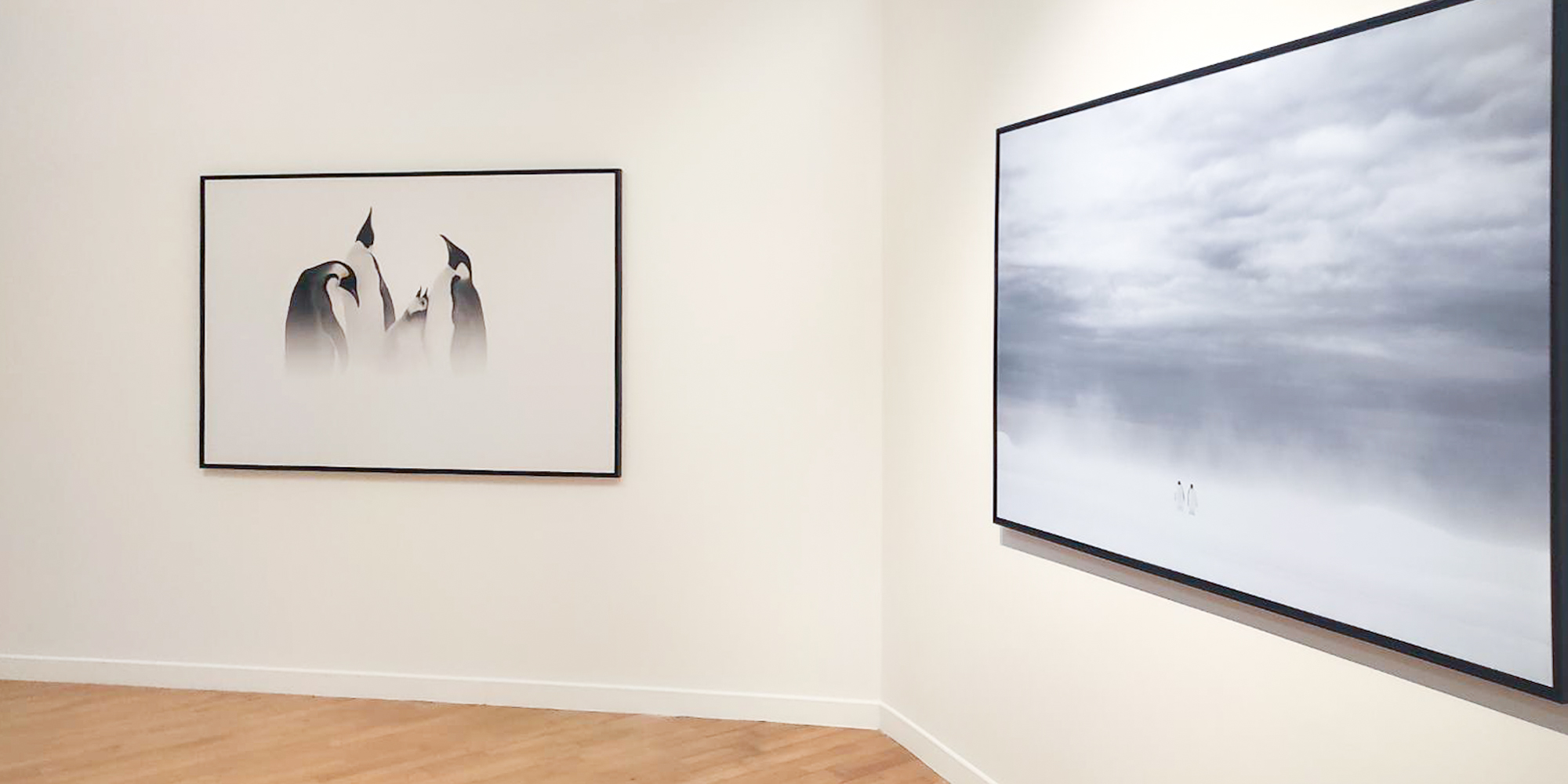
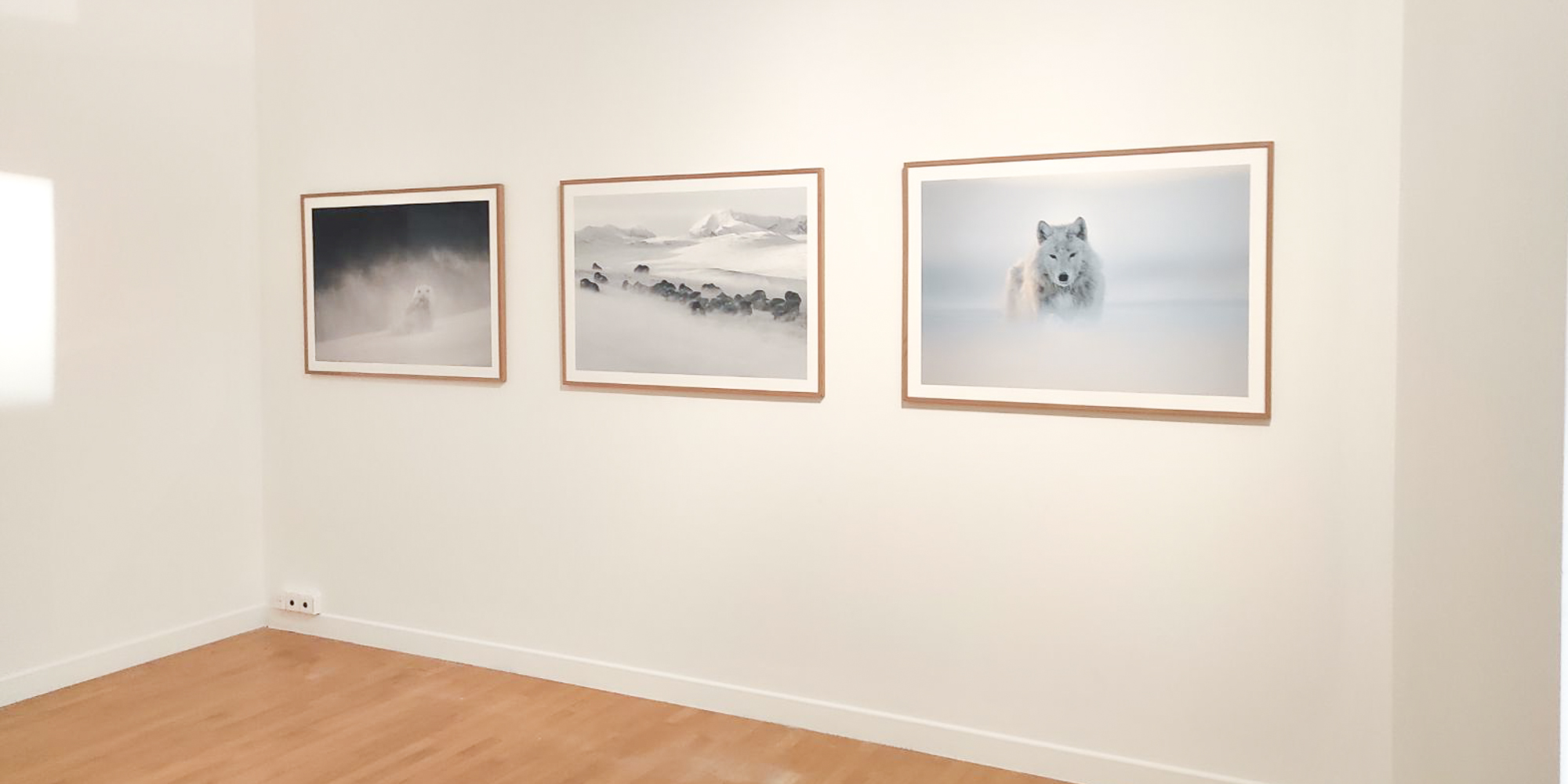
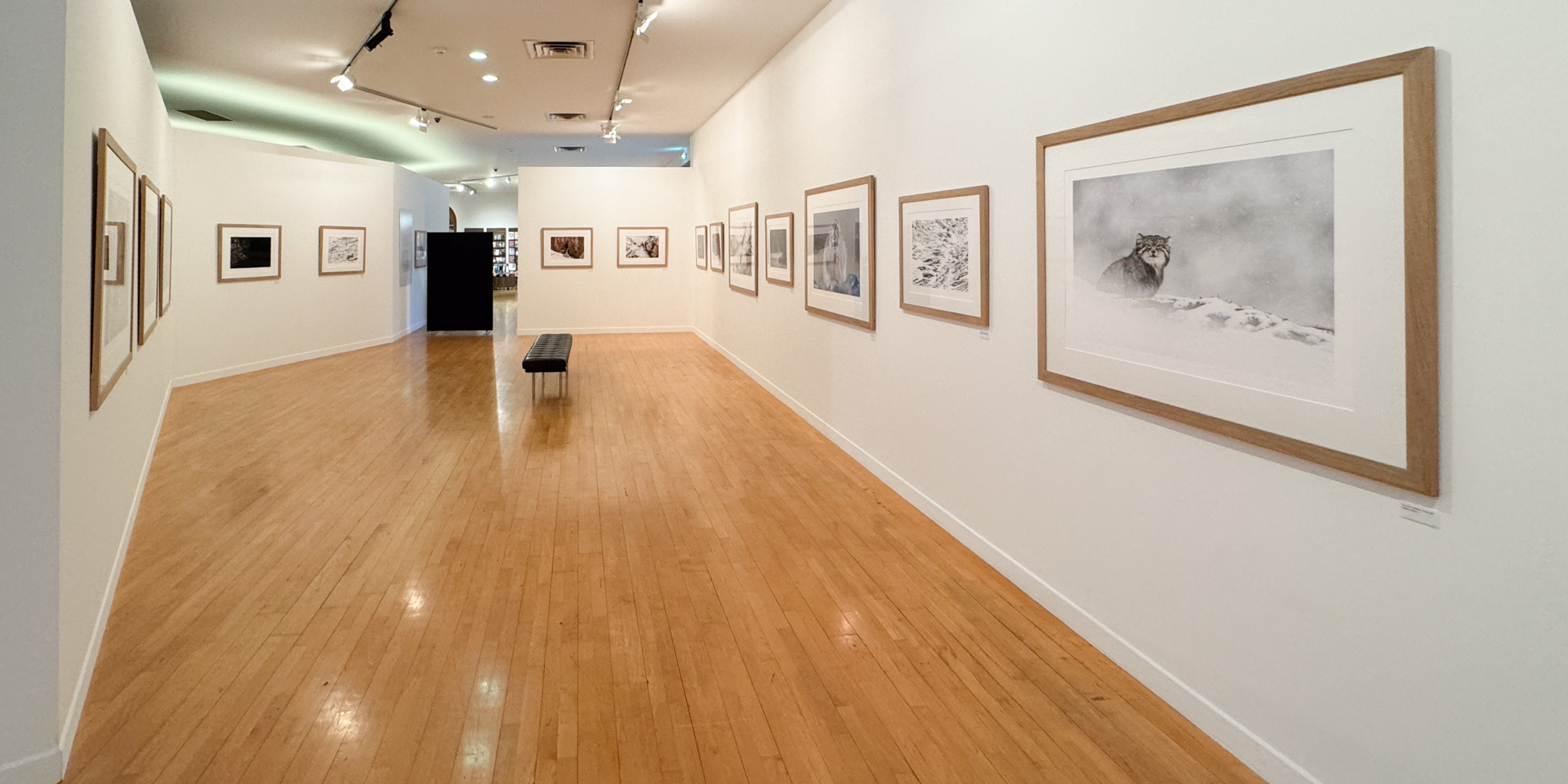
With "Les 3 Pôles" (The Three Poles), Vincent Munier offers us a striking immersion into the heart of these remote regions with extreme conditions, with nearly fifty photographs taken during challenging expeditions, undertaken alone and independently.
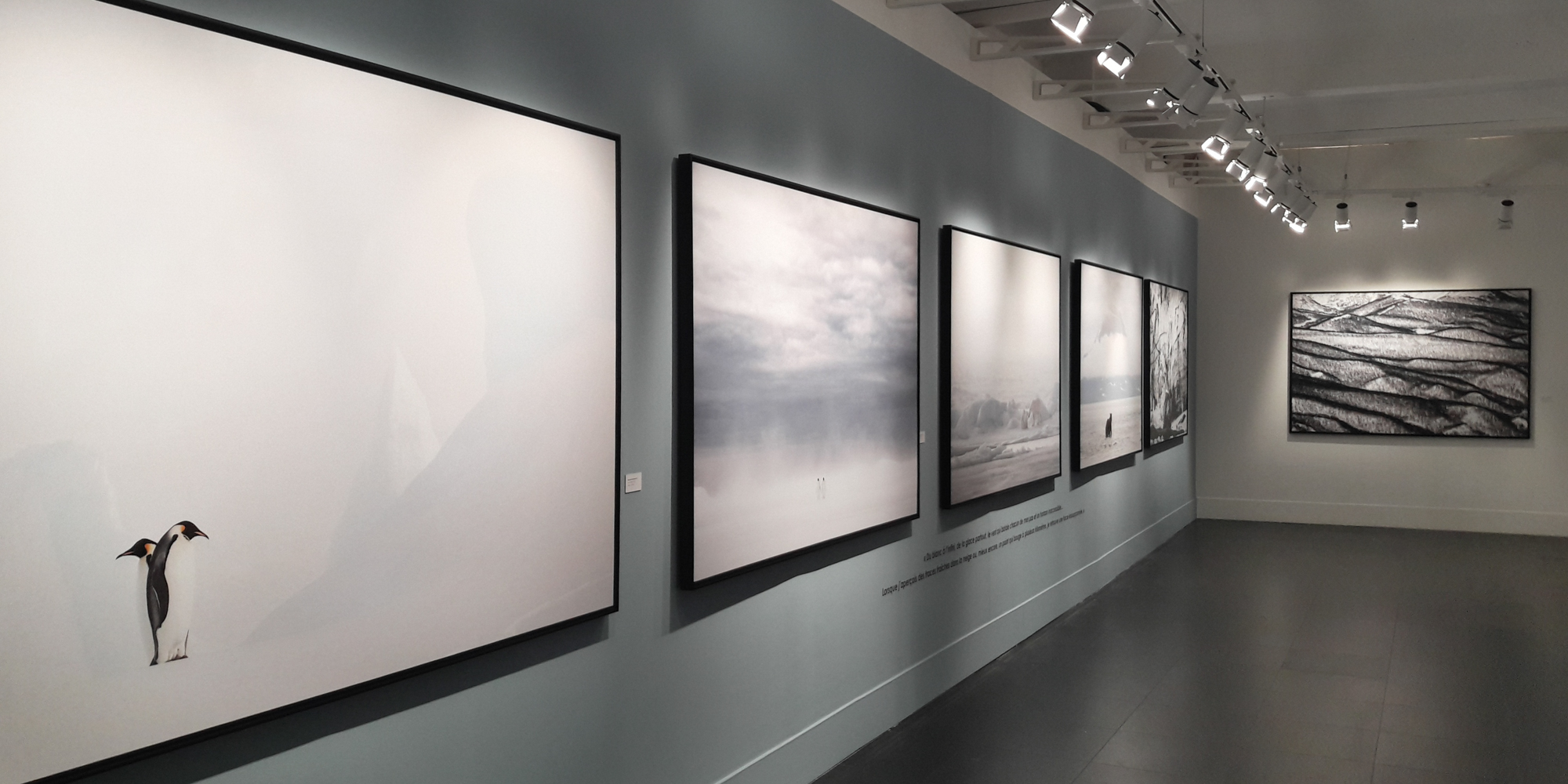
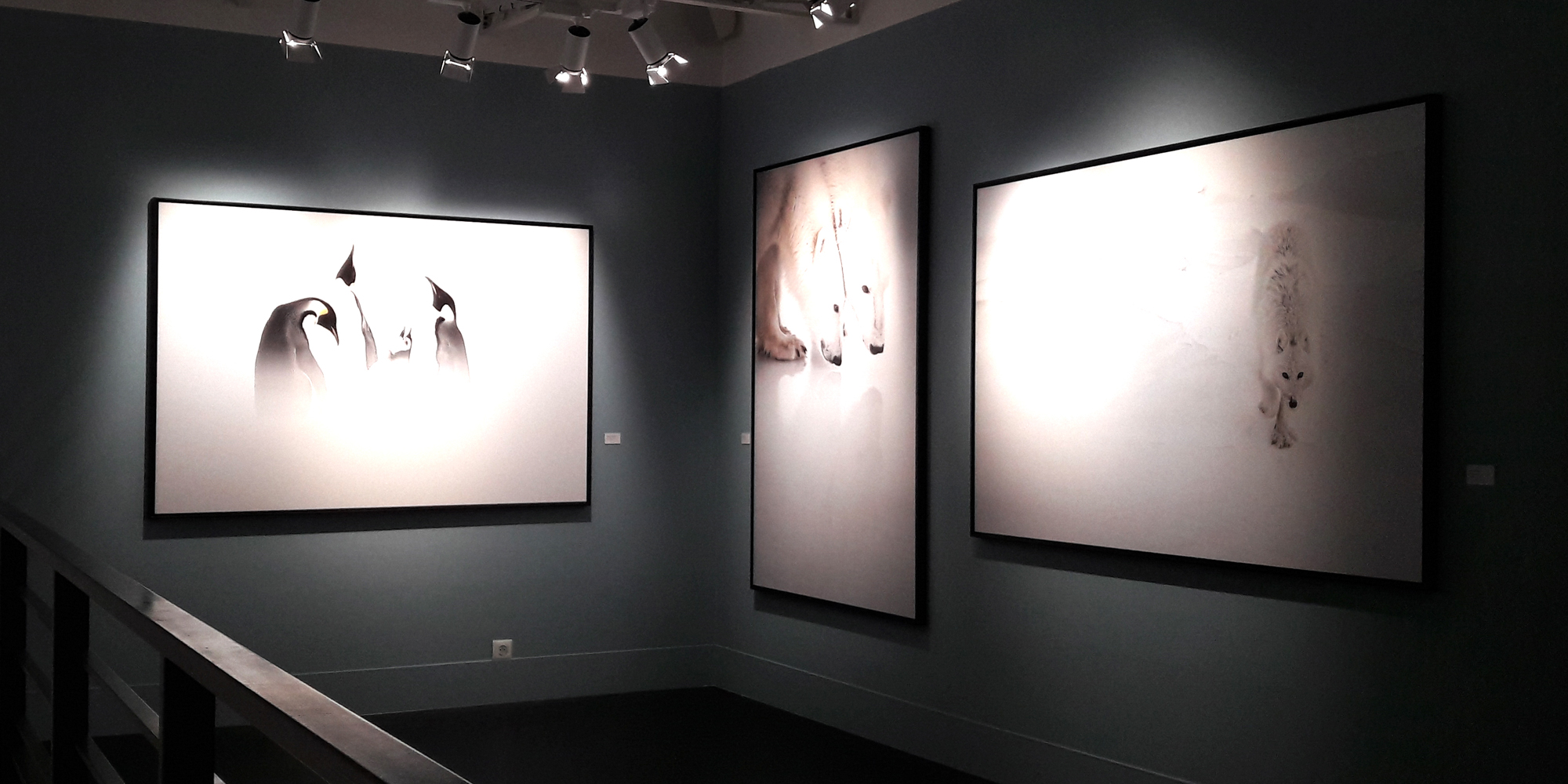
It transports us to the enchanting white landscapes of the Arctic and Antarctic, following the trail of mythical animals such as the Arctic wolf, polar bear, musk ox, and emperor penguin.
In Svalbard, Nunavut, and Adélie Land, Vincent Munier has a gift for photographing animals in all their splendor and nobility.
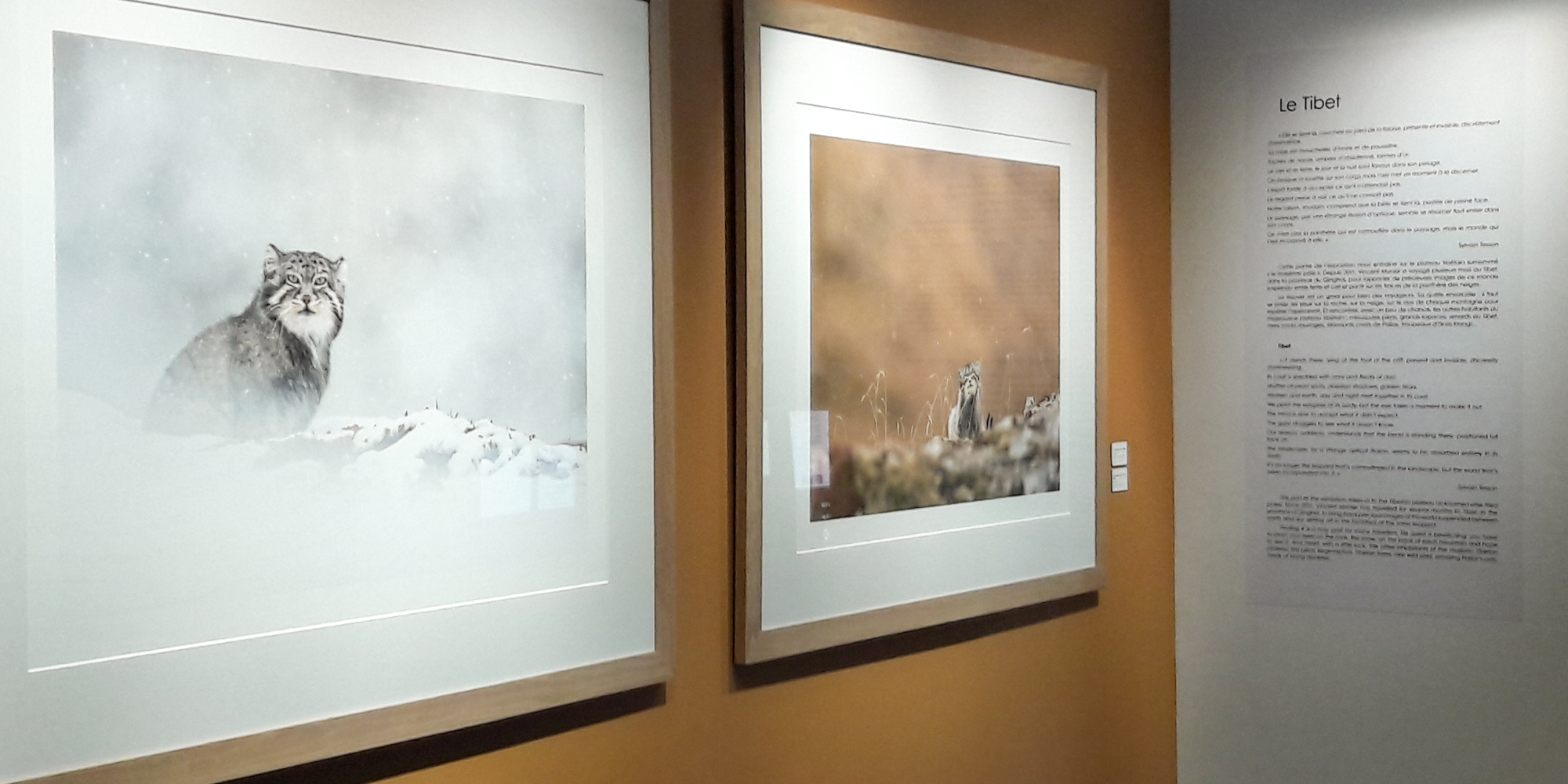
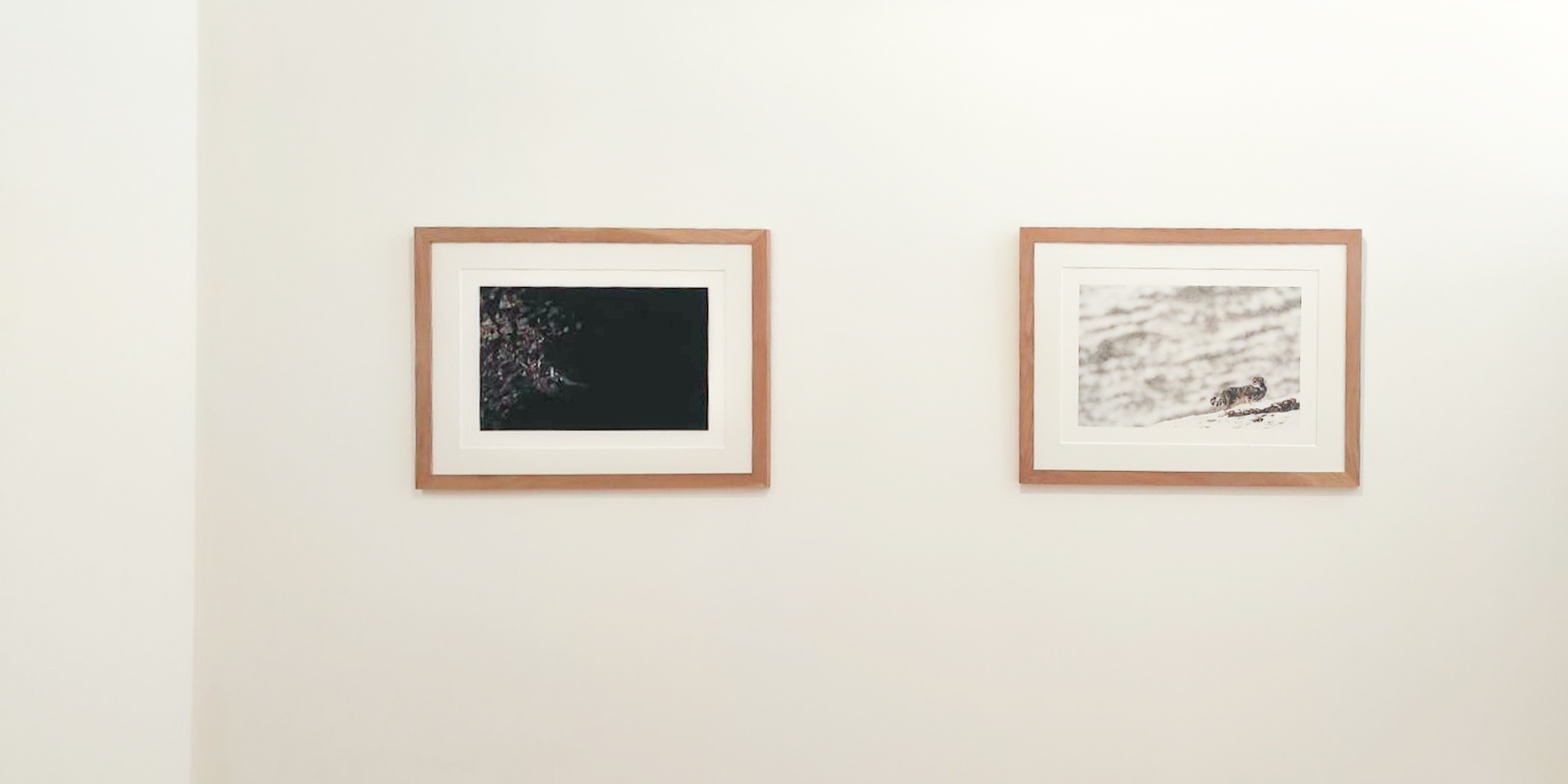
His latest trip took him to the high plateaus of Tibet, which Vincent Munier calls "the third pole."
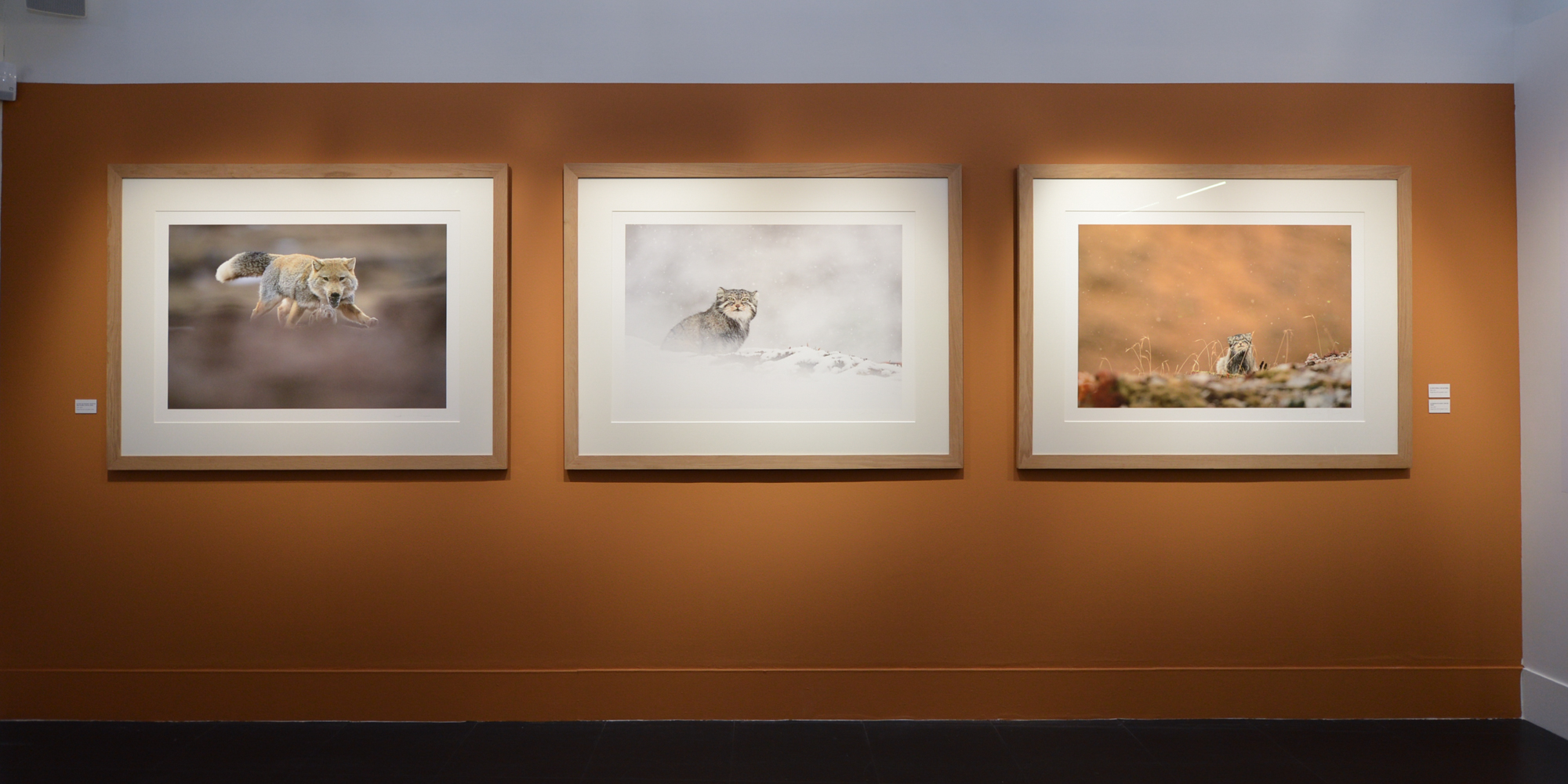
Here, the photographer set out in search of the famous and very rare snow leopard. But the explorer also encountered many other animals along the way, including the Tibetan fox, the Pallas's cat, and herds of wild yaks and kiang donkeys...
Recounting his latest expedition to Tibet with Sylvain Tesson, to whom he lent his pen as a travel writer,La Panthère des neiges(2021), co-directed with Marie Amiguet, won the César Award for Best Documentary Film in 2022. This film is being screened in the museum for the duration of the exhibition.