Salagon Museum
Salagon Museum and Gardens is hosting a major exhibition devoted to the forest, exploring both human management and collective imagination. Entitled "In the forest, from management to escape," this exhibition examines the profound changes in our relationship with the forest since the mid-19th century.
The result of an anthropological approach, the exhibition brings together objects, archives, photographs, artistic works, and film documents to explore the economic, social, cultural, and sensitive issues that affect our forests.
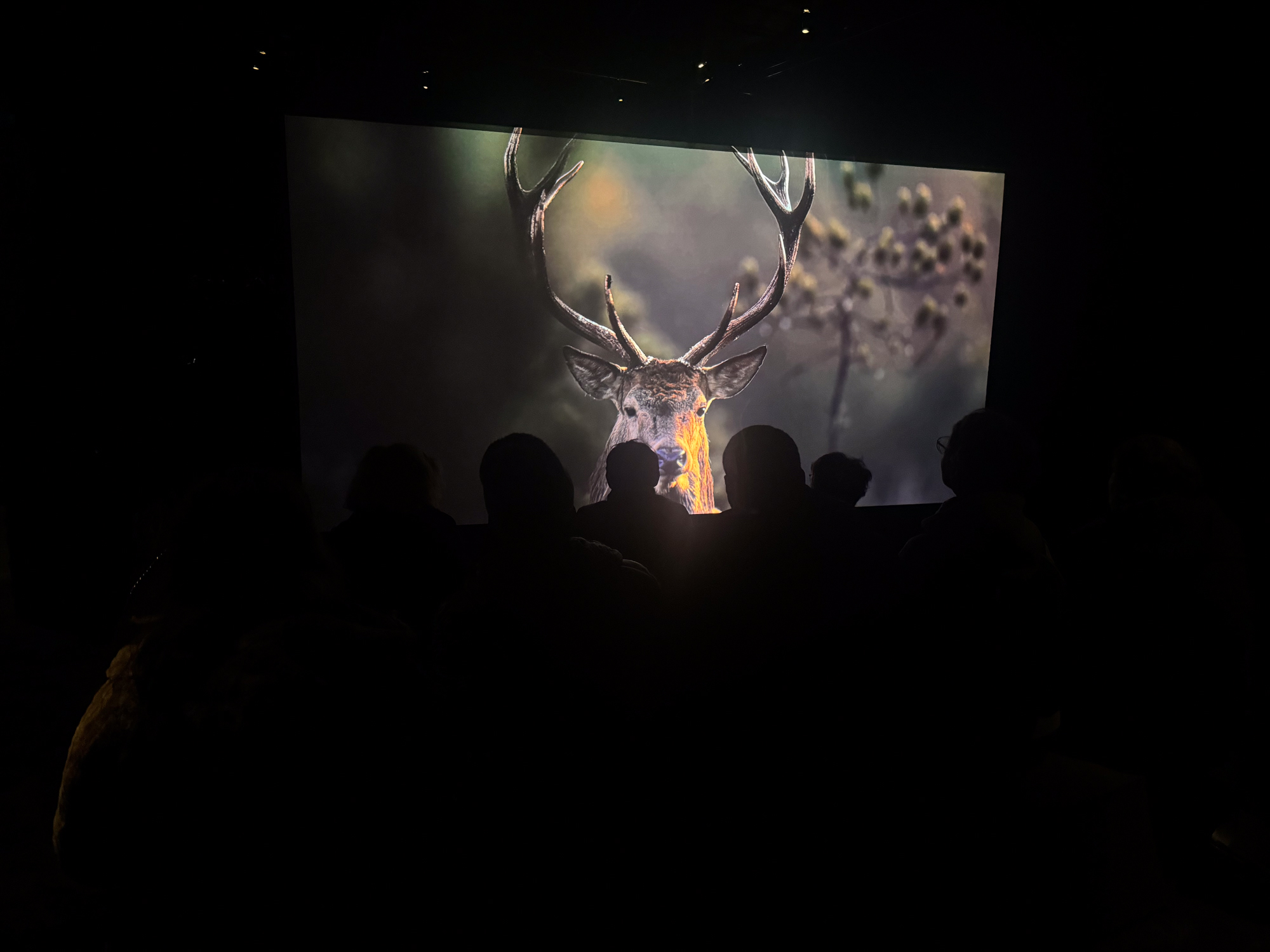
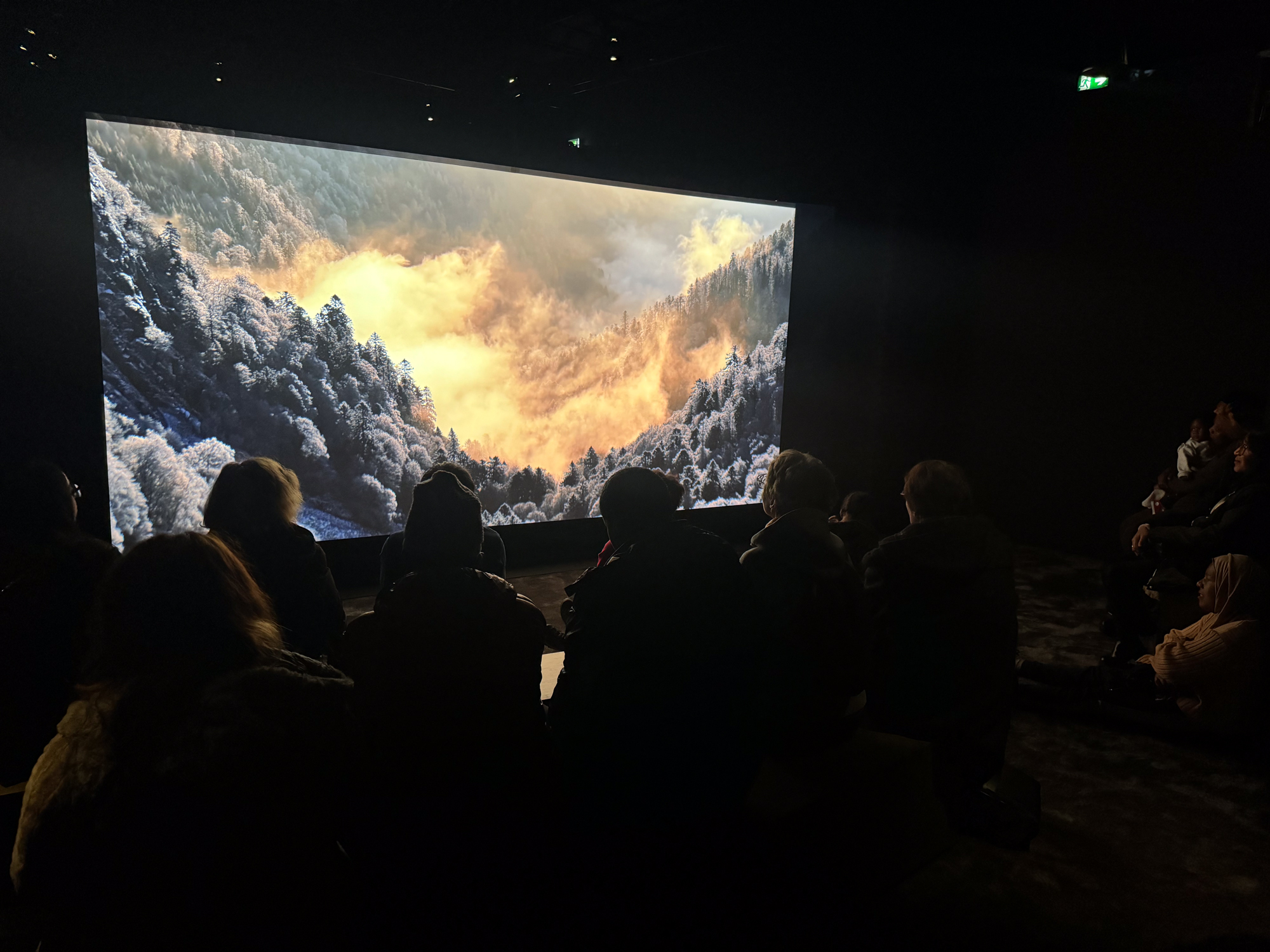
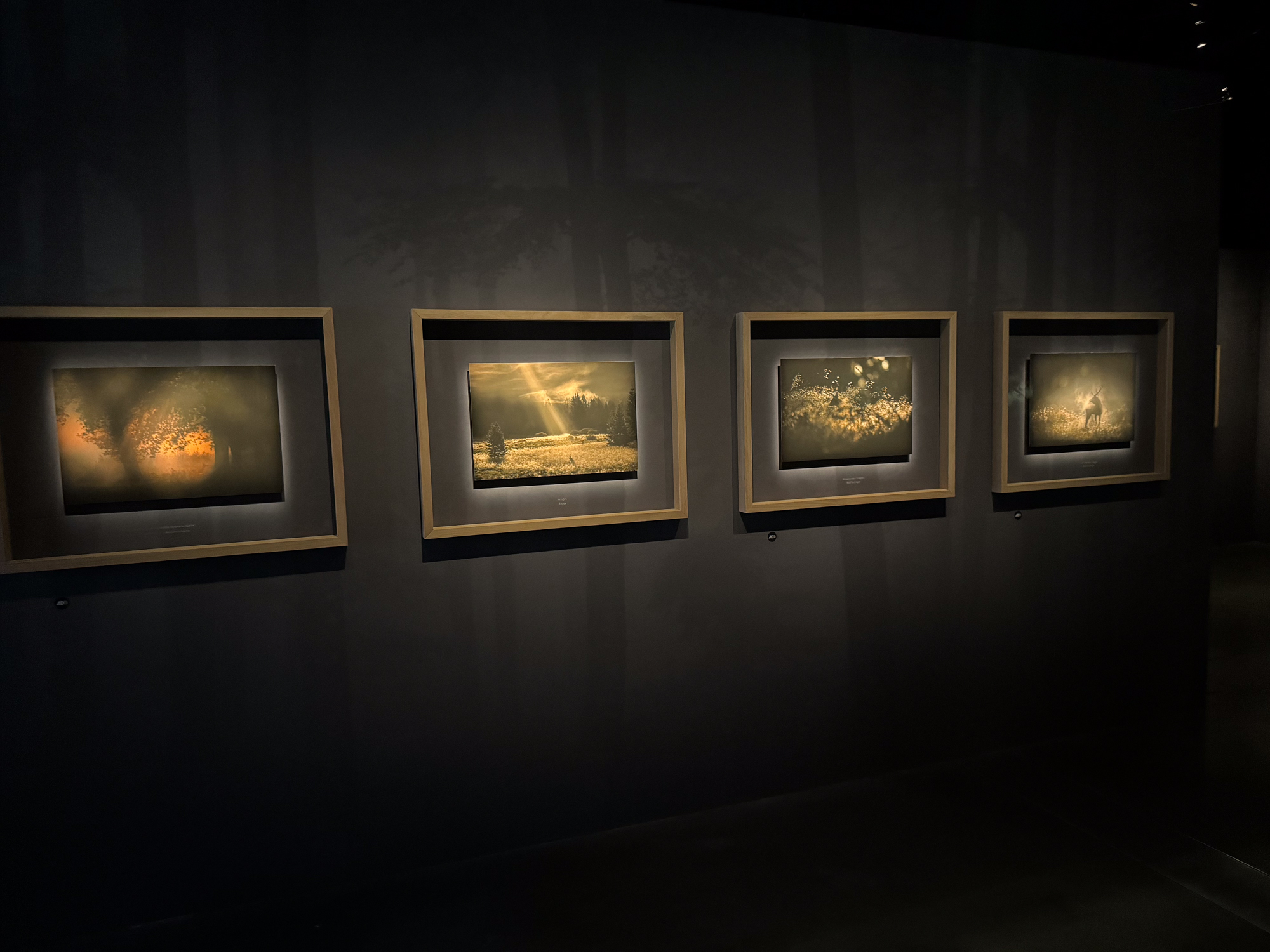
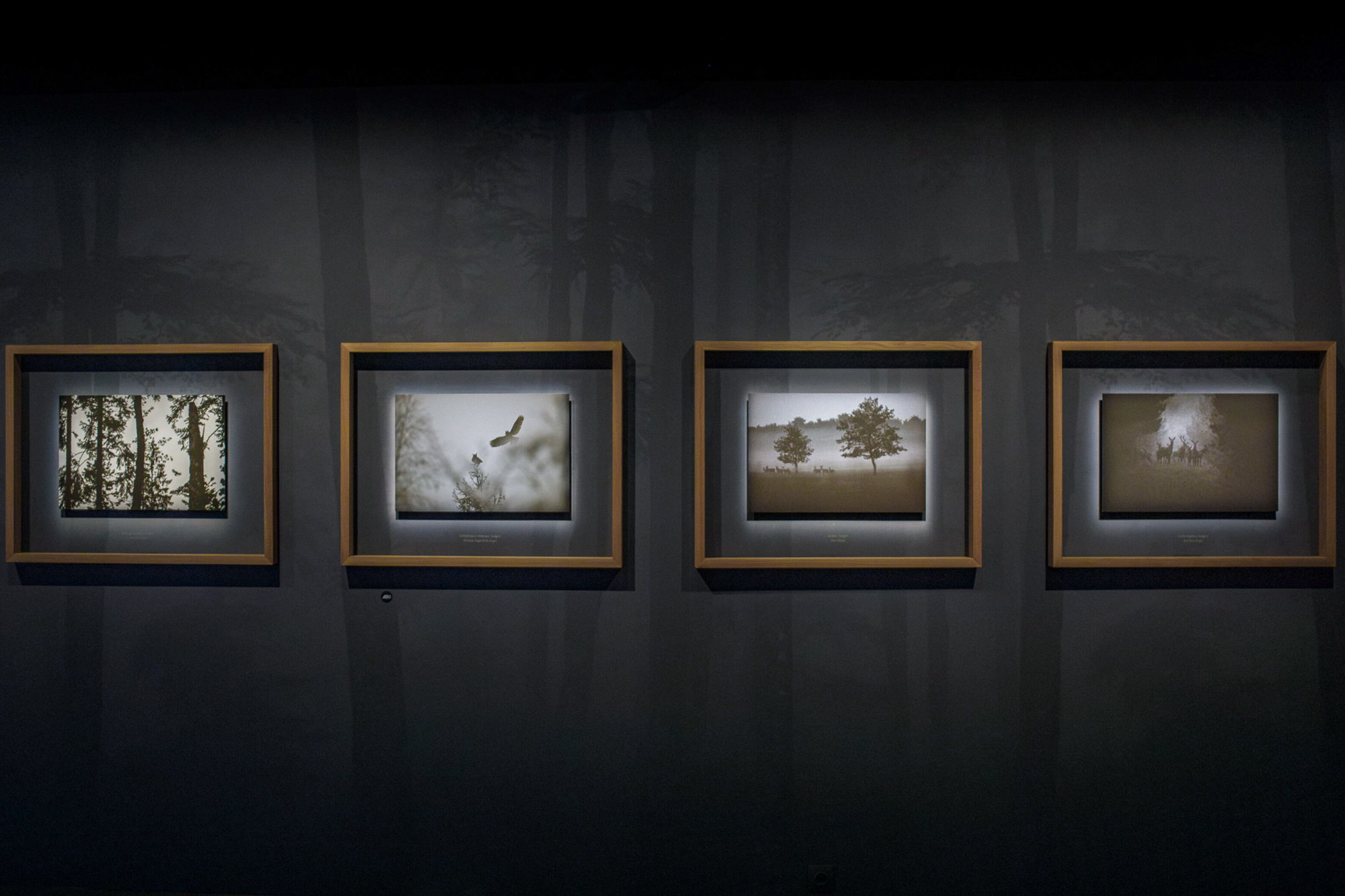
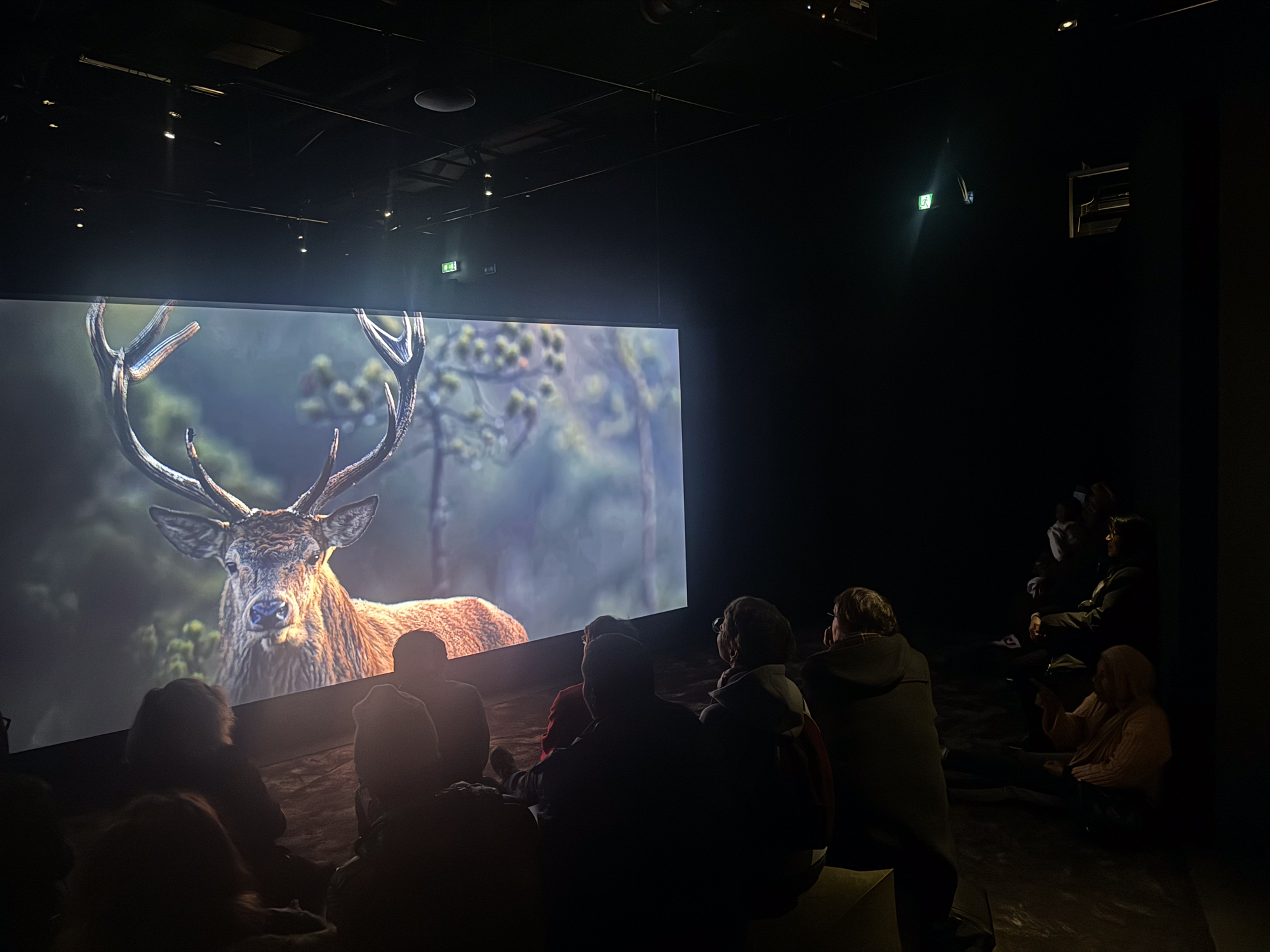
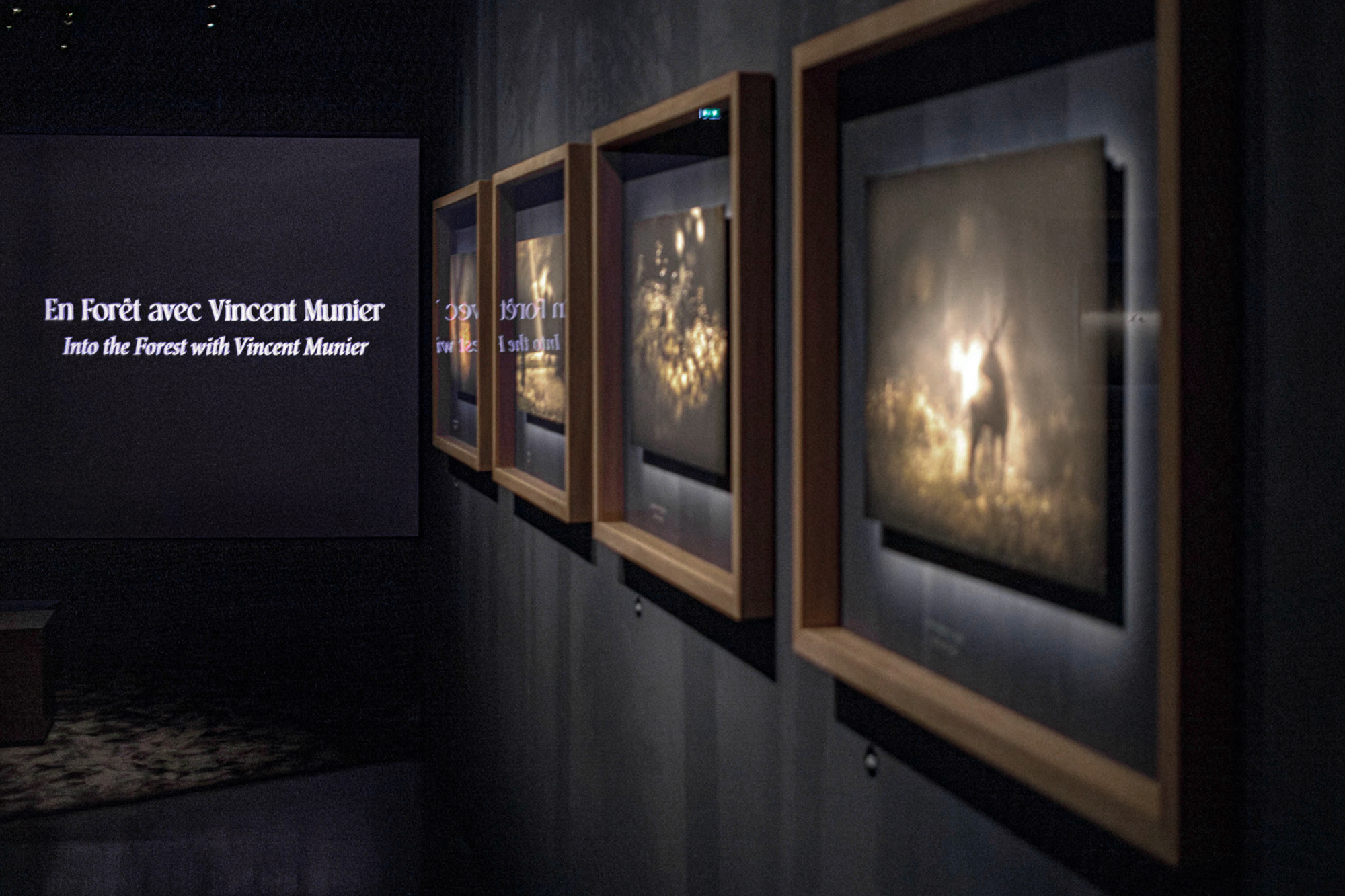
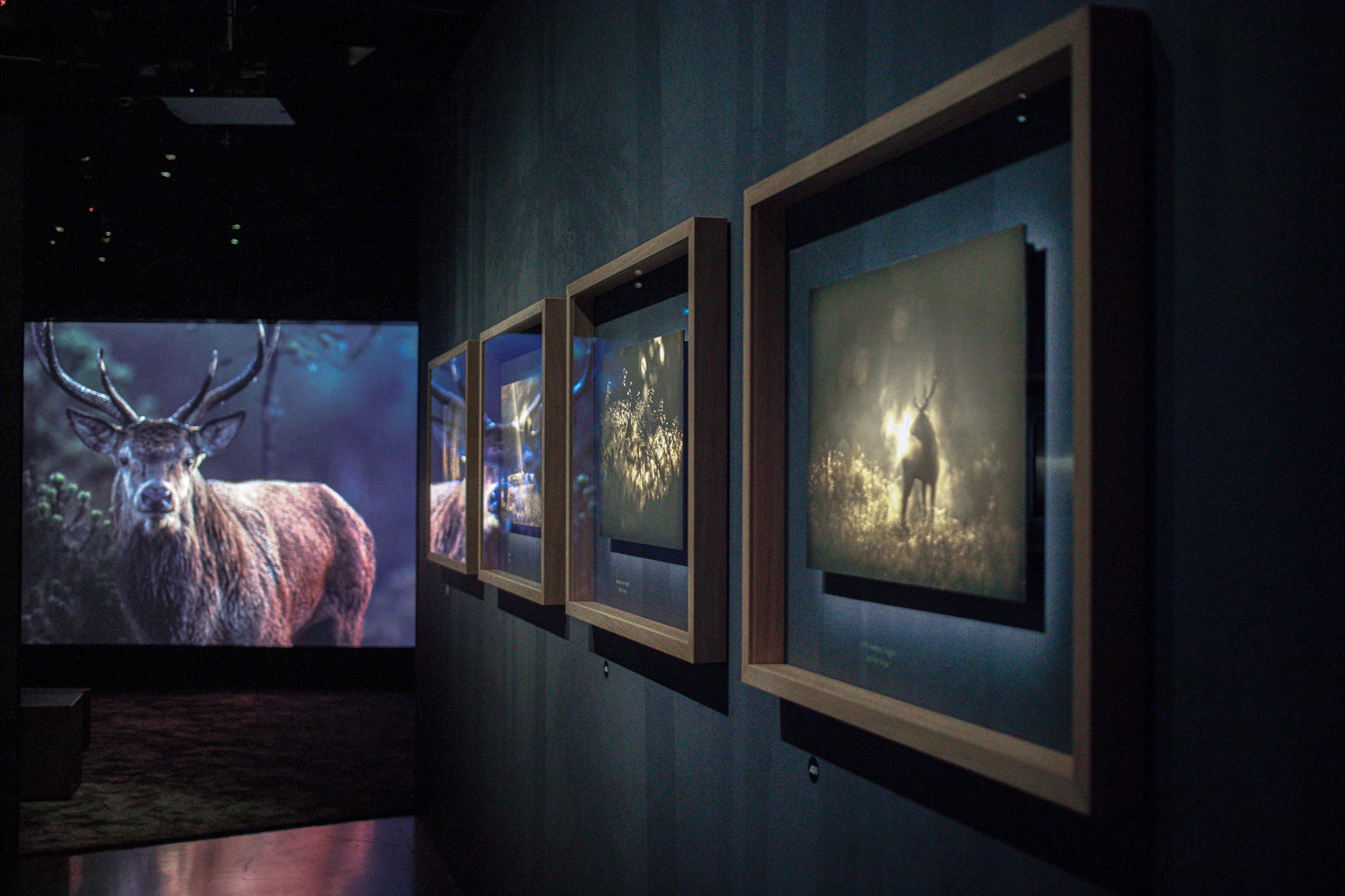
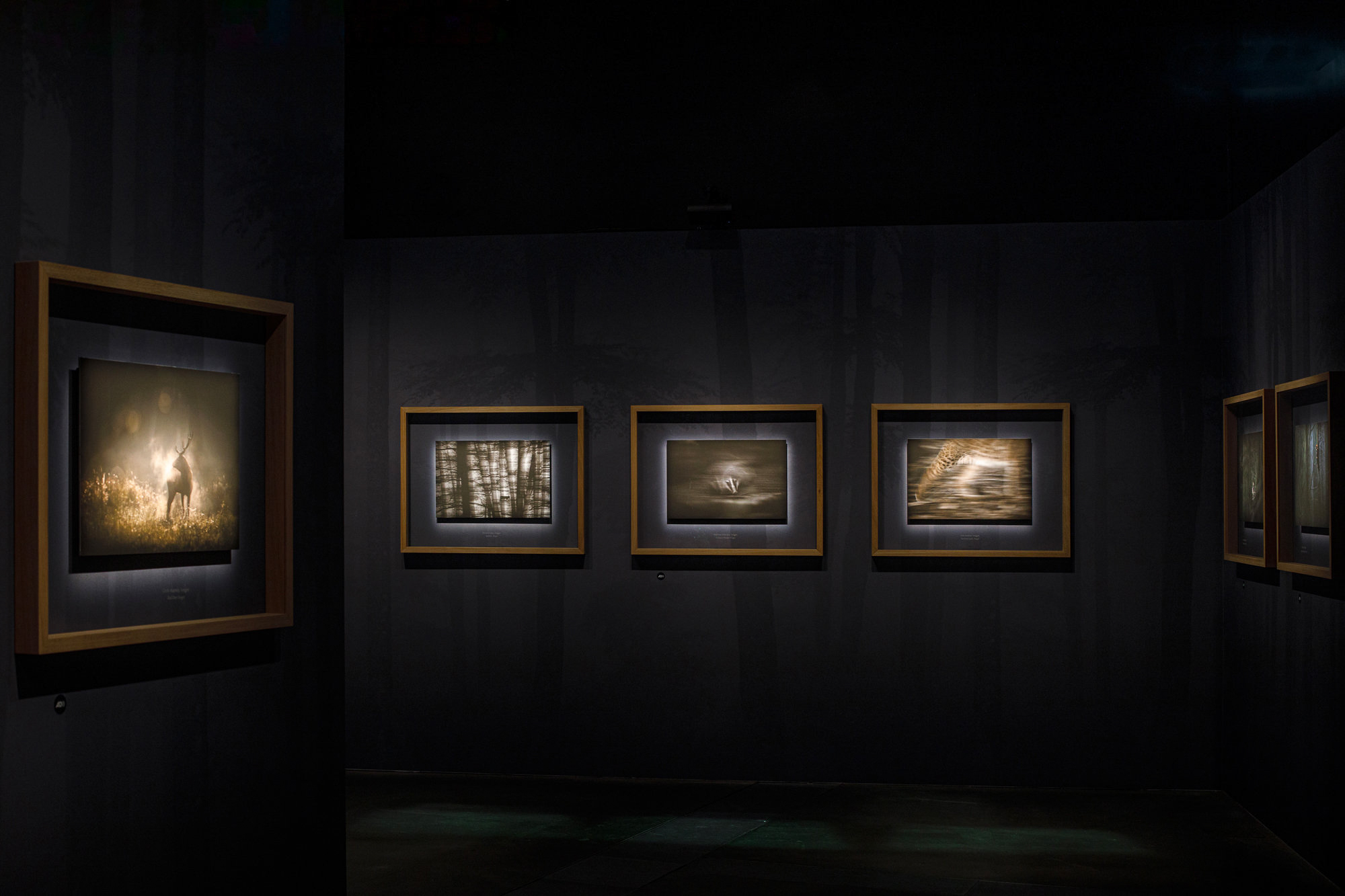
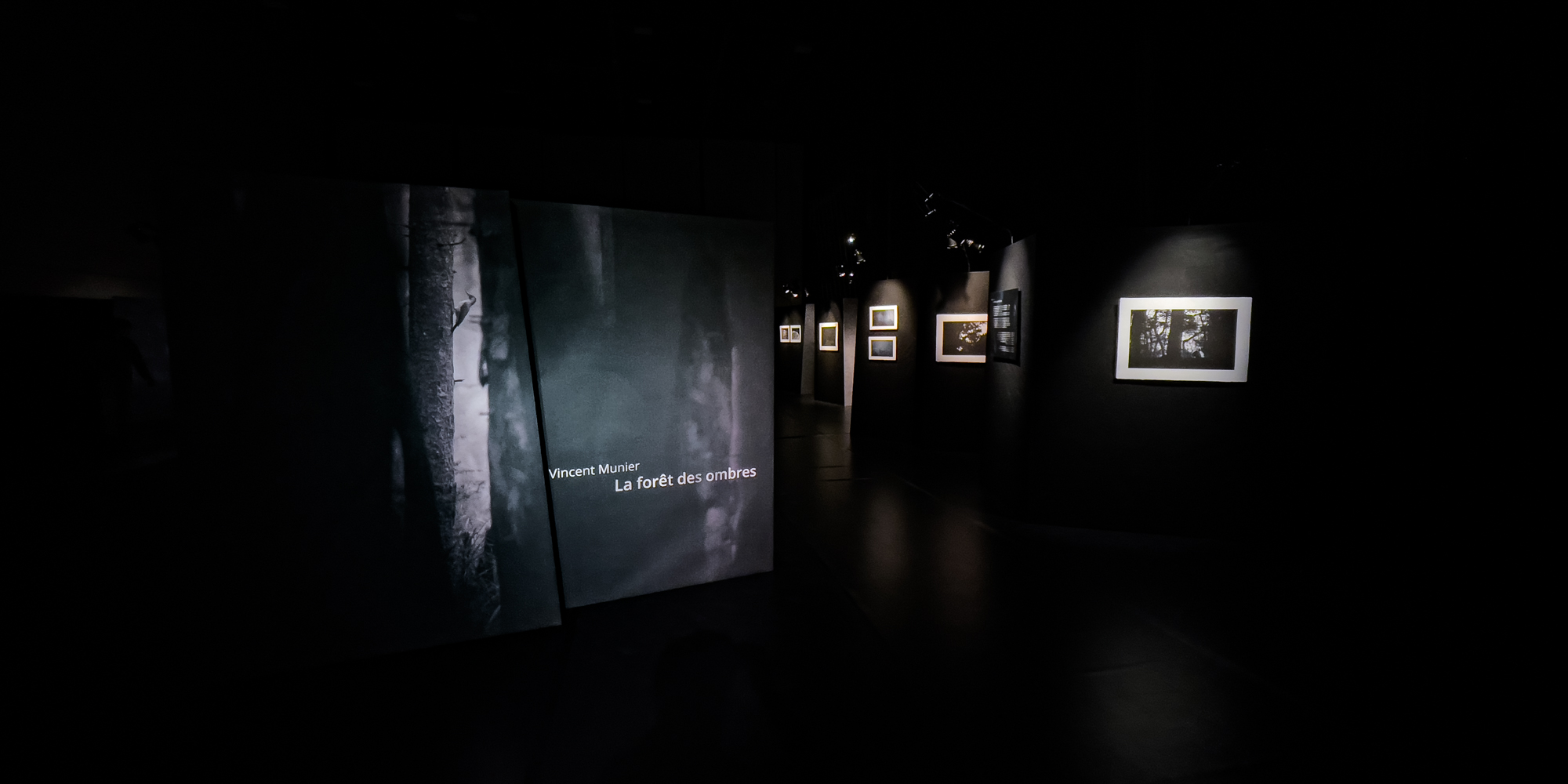
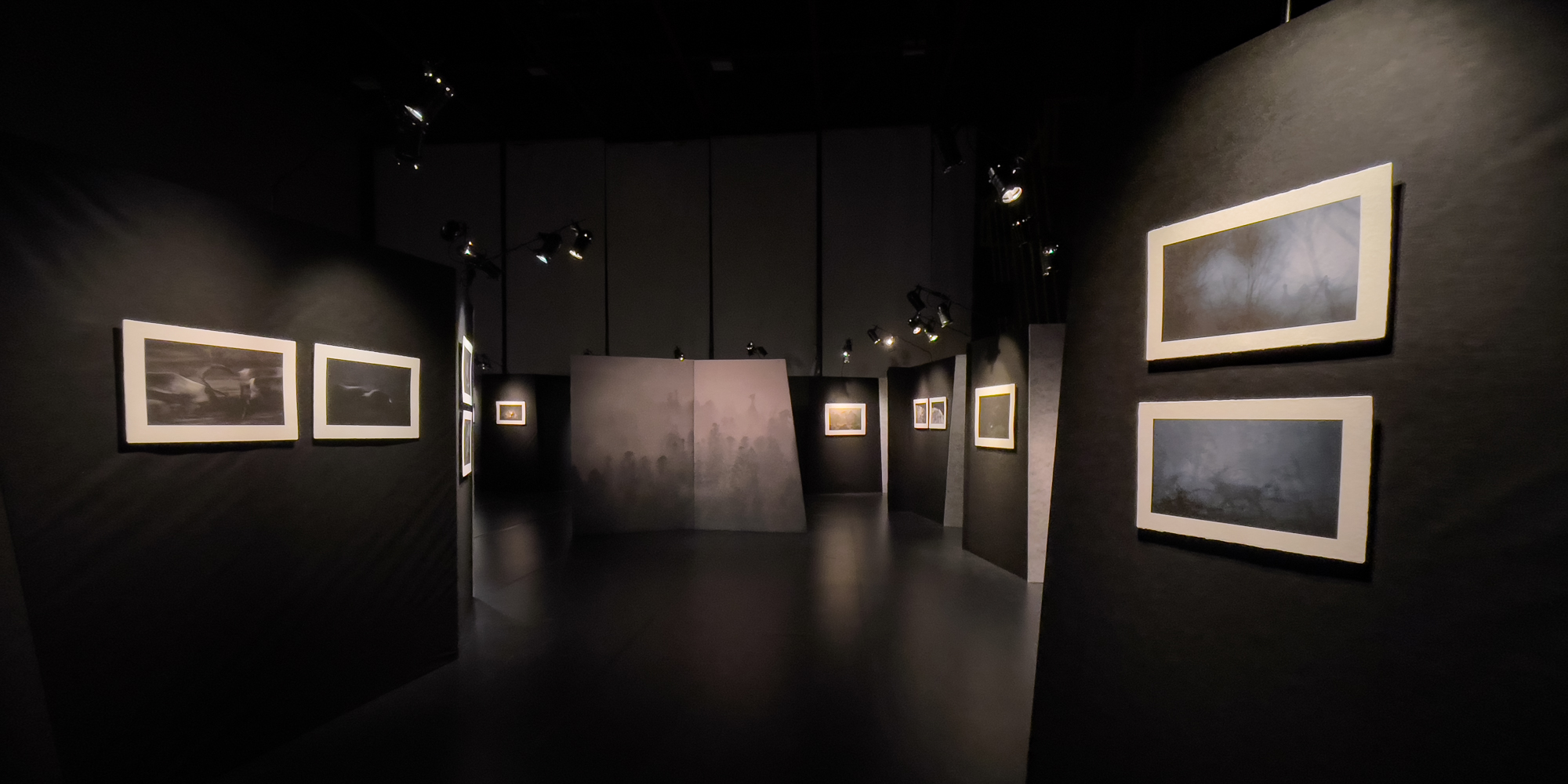
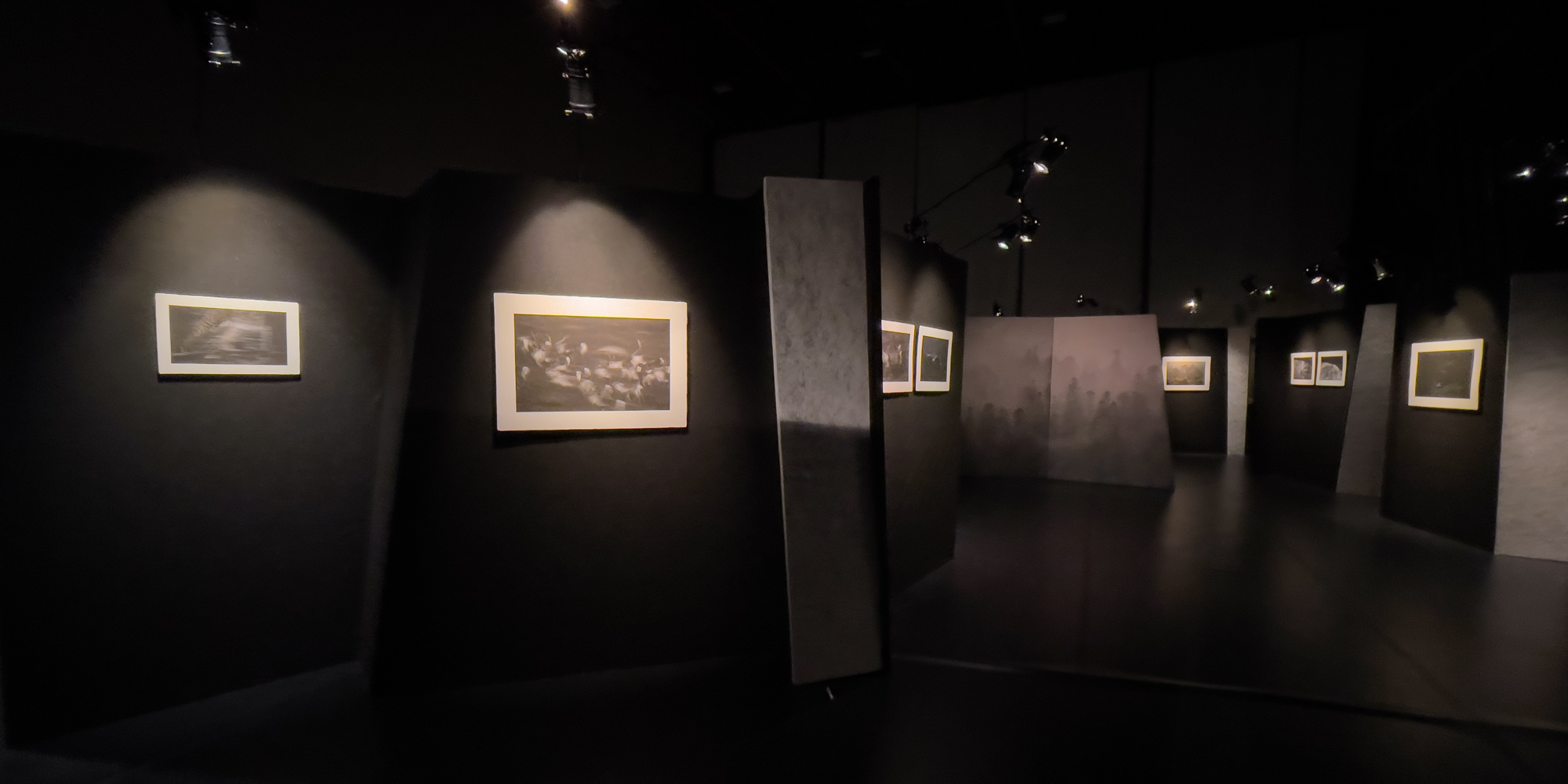
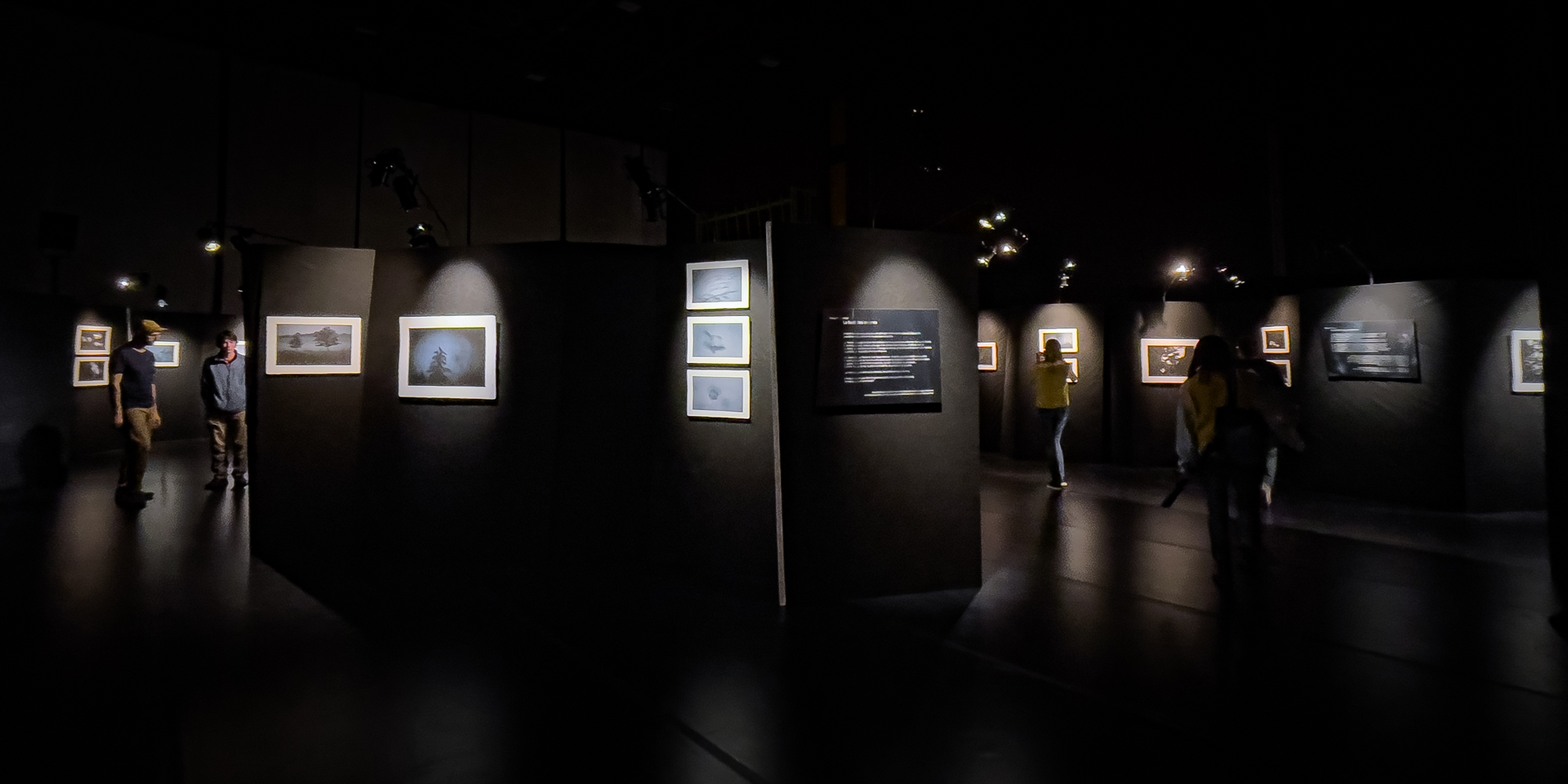
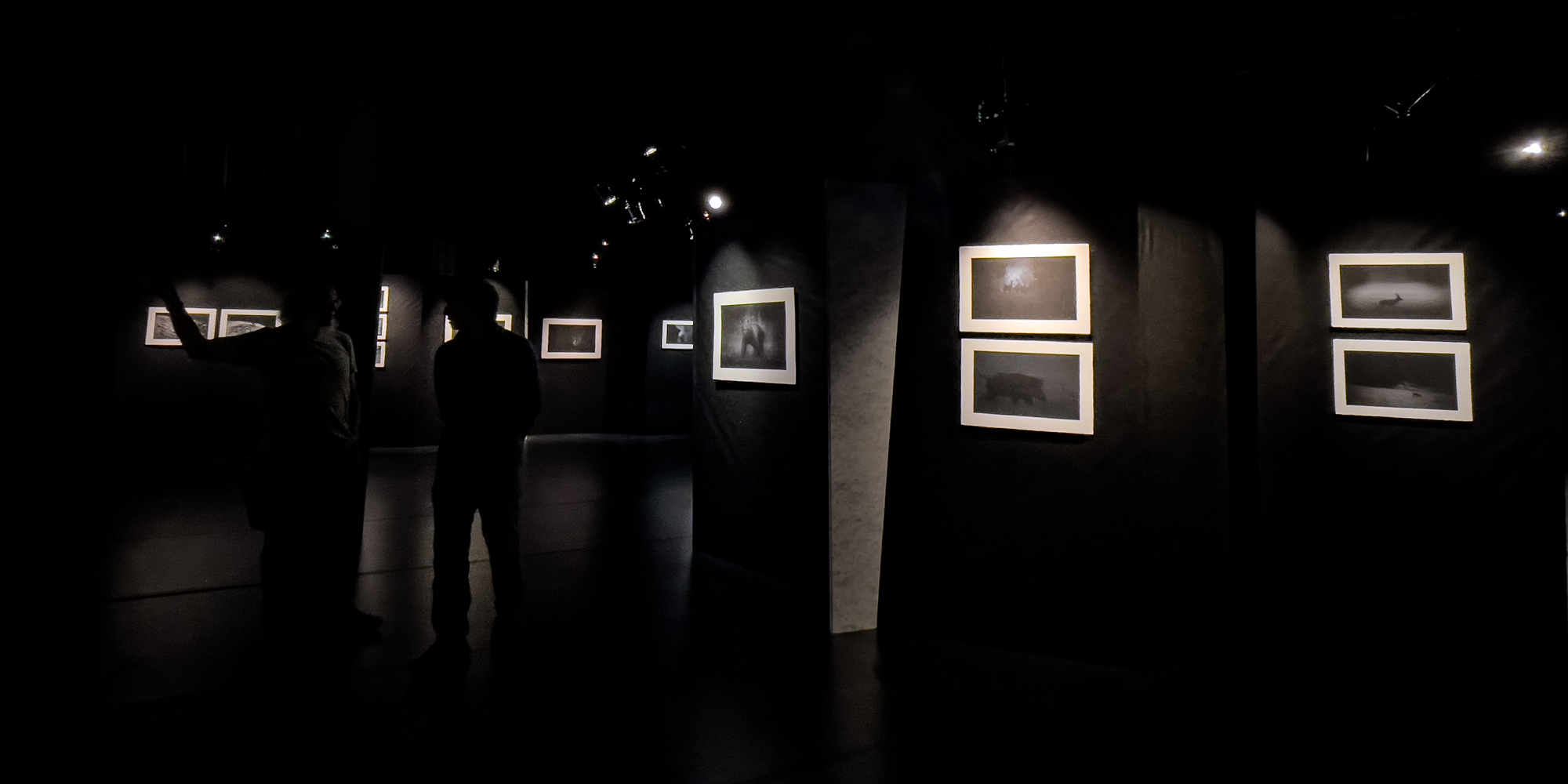
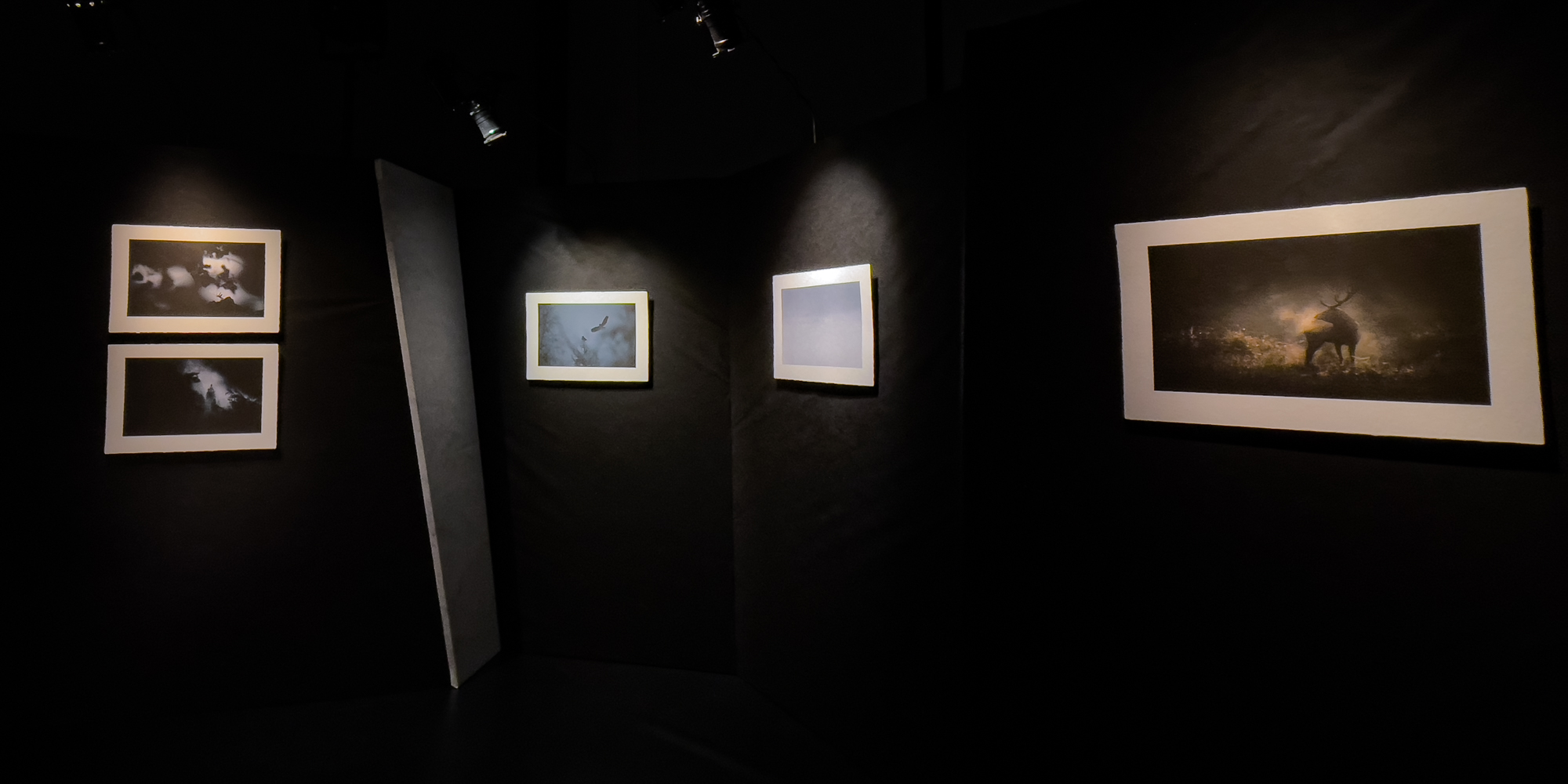
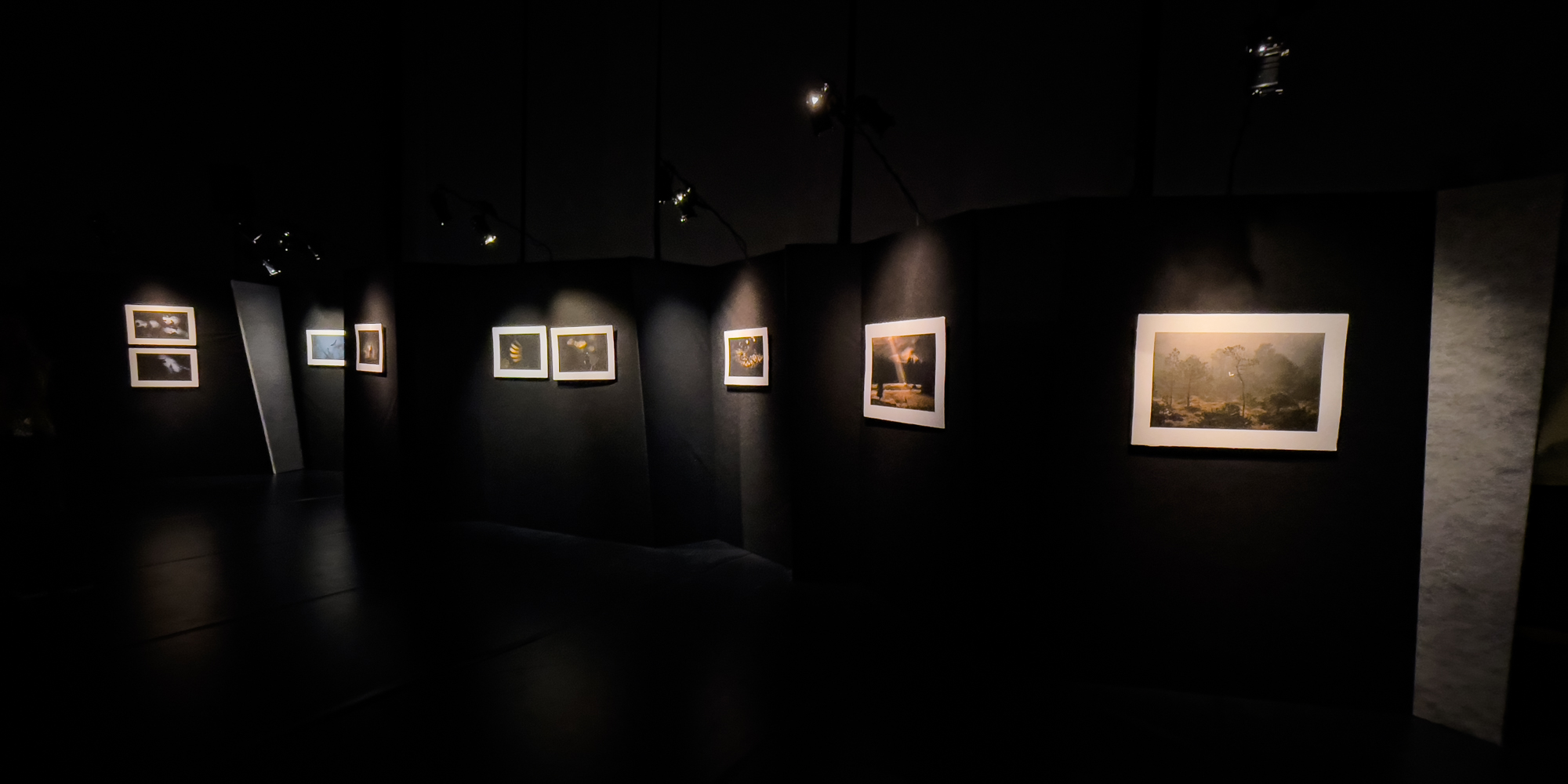
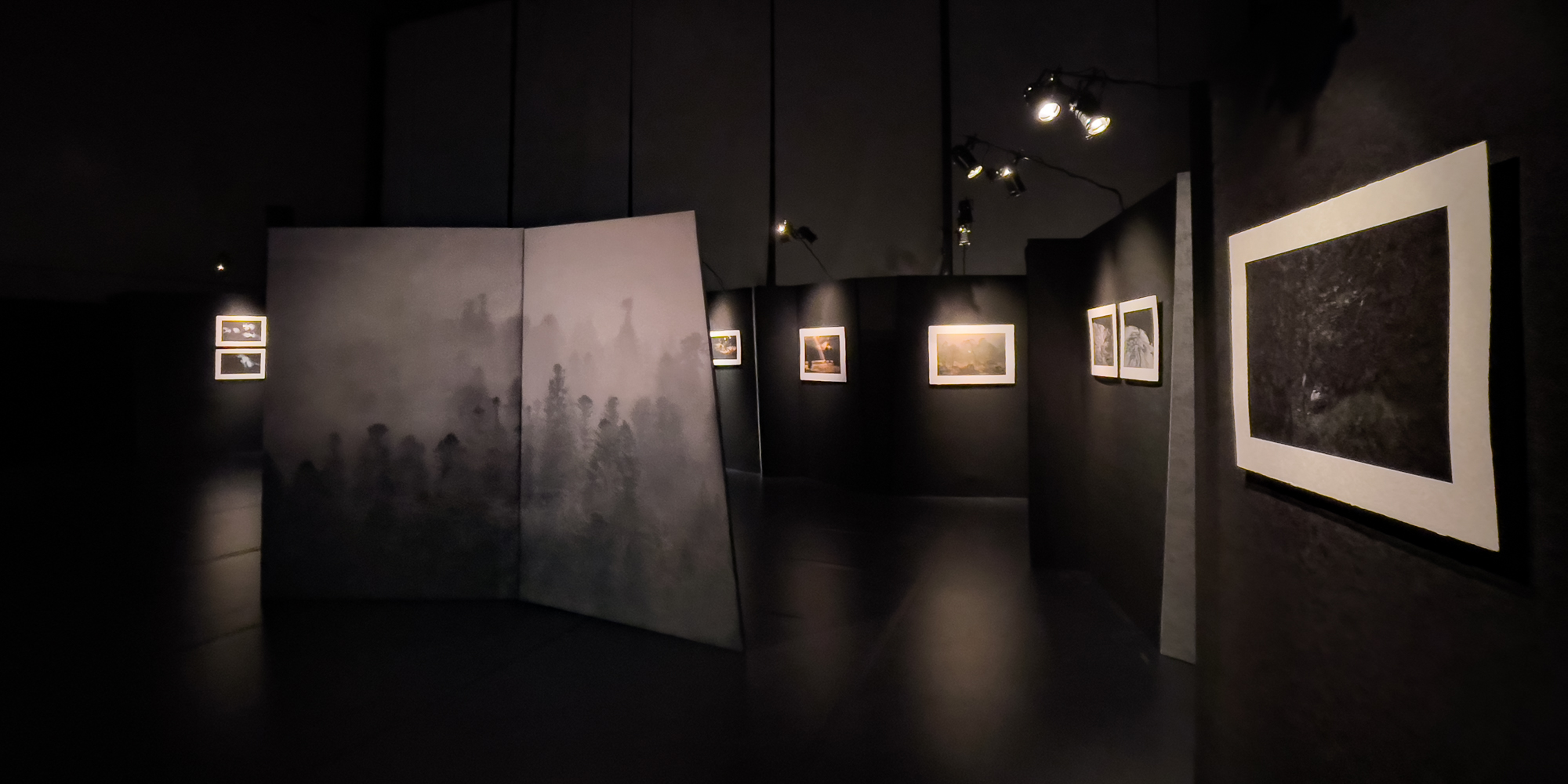
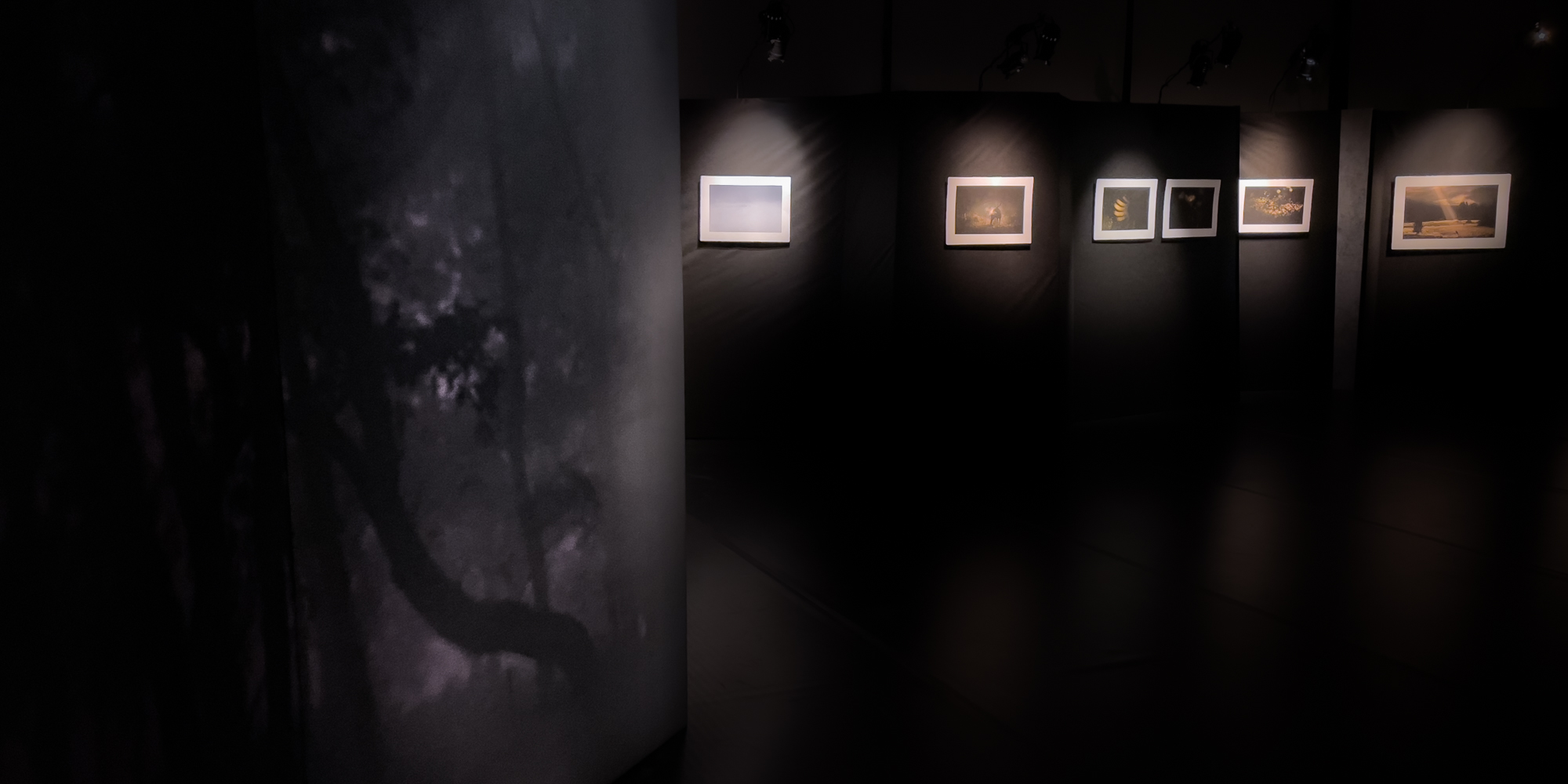
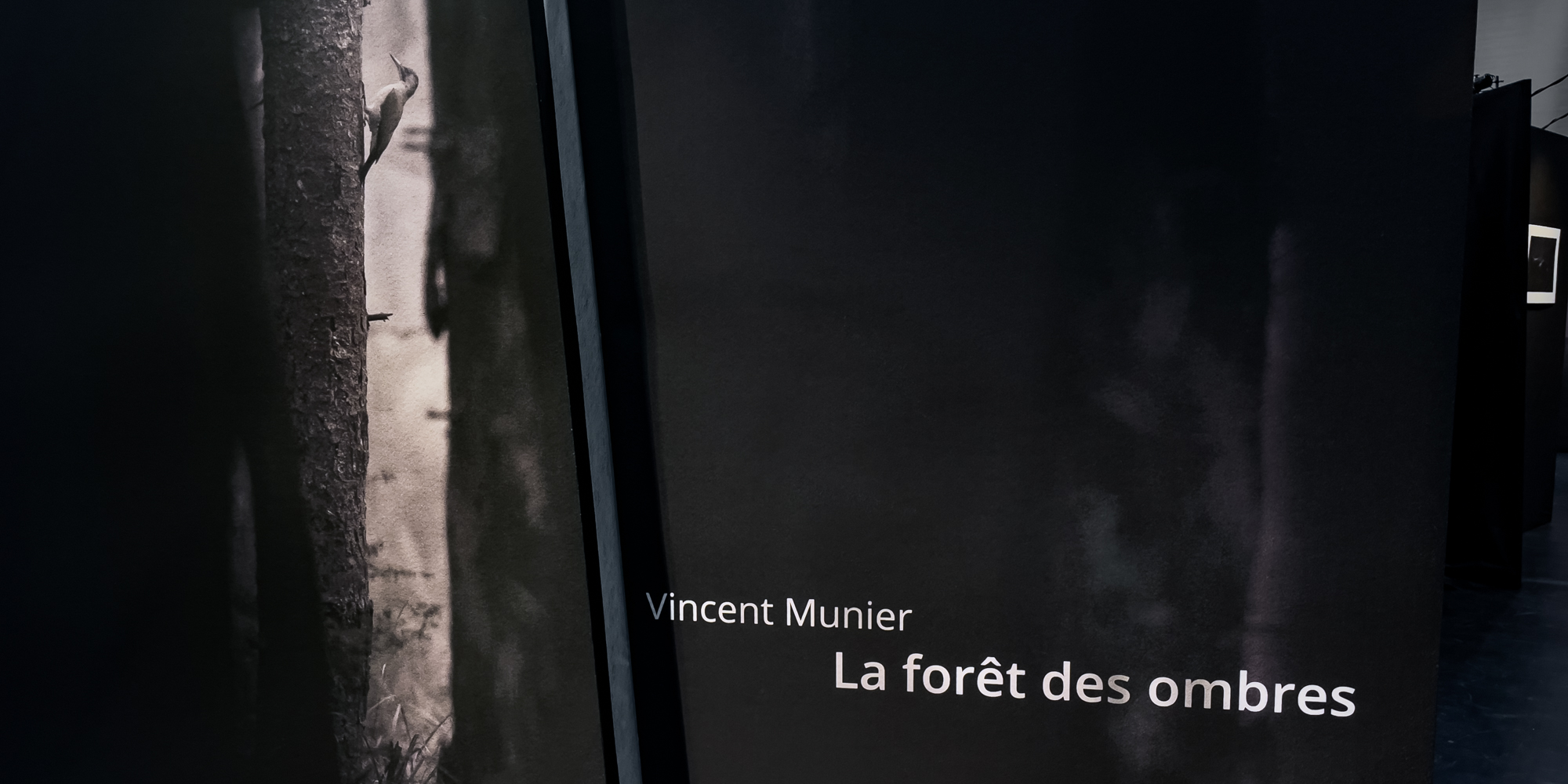
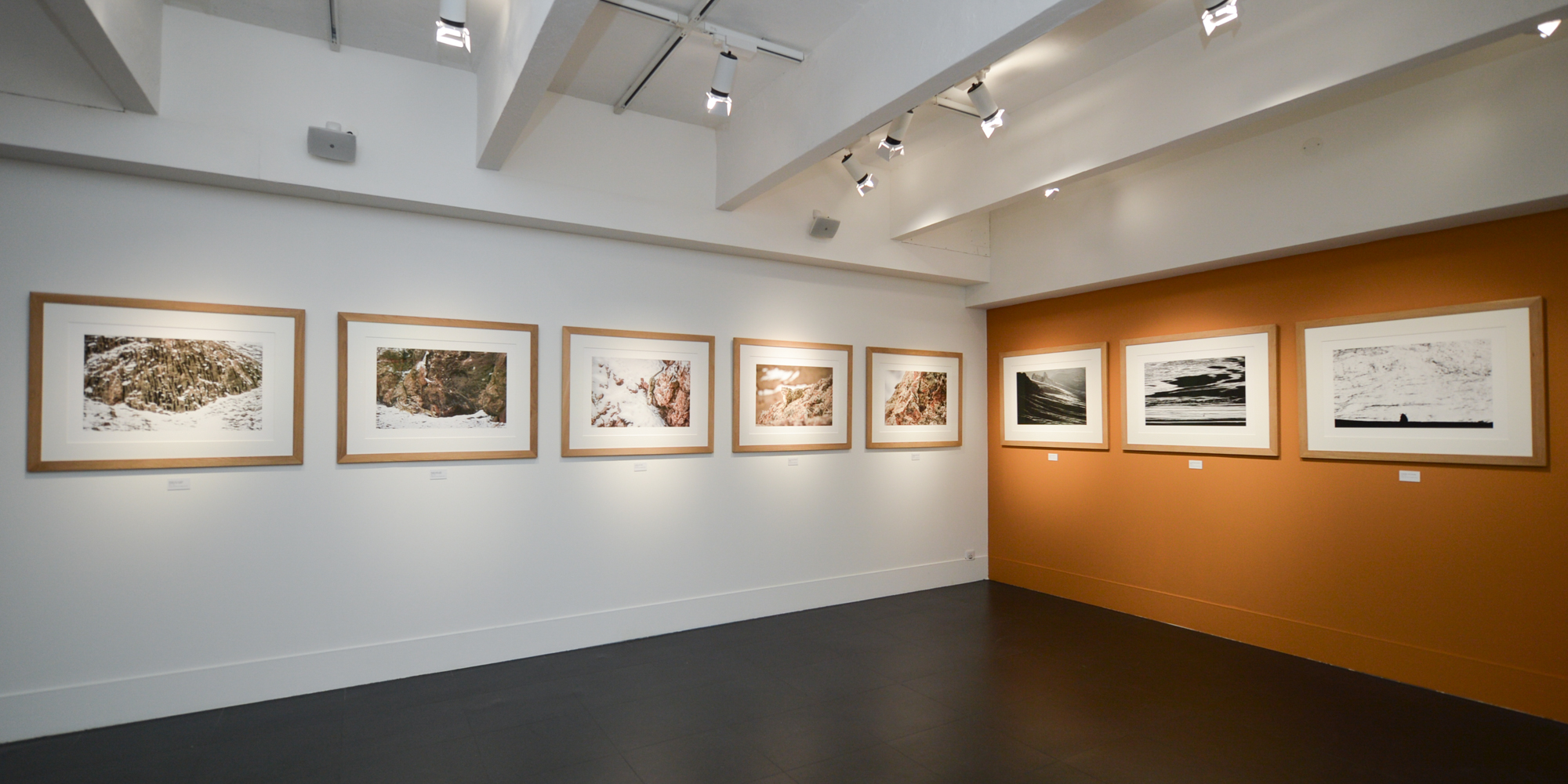
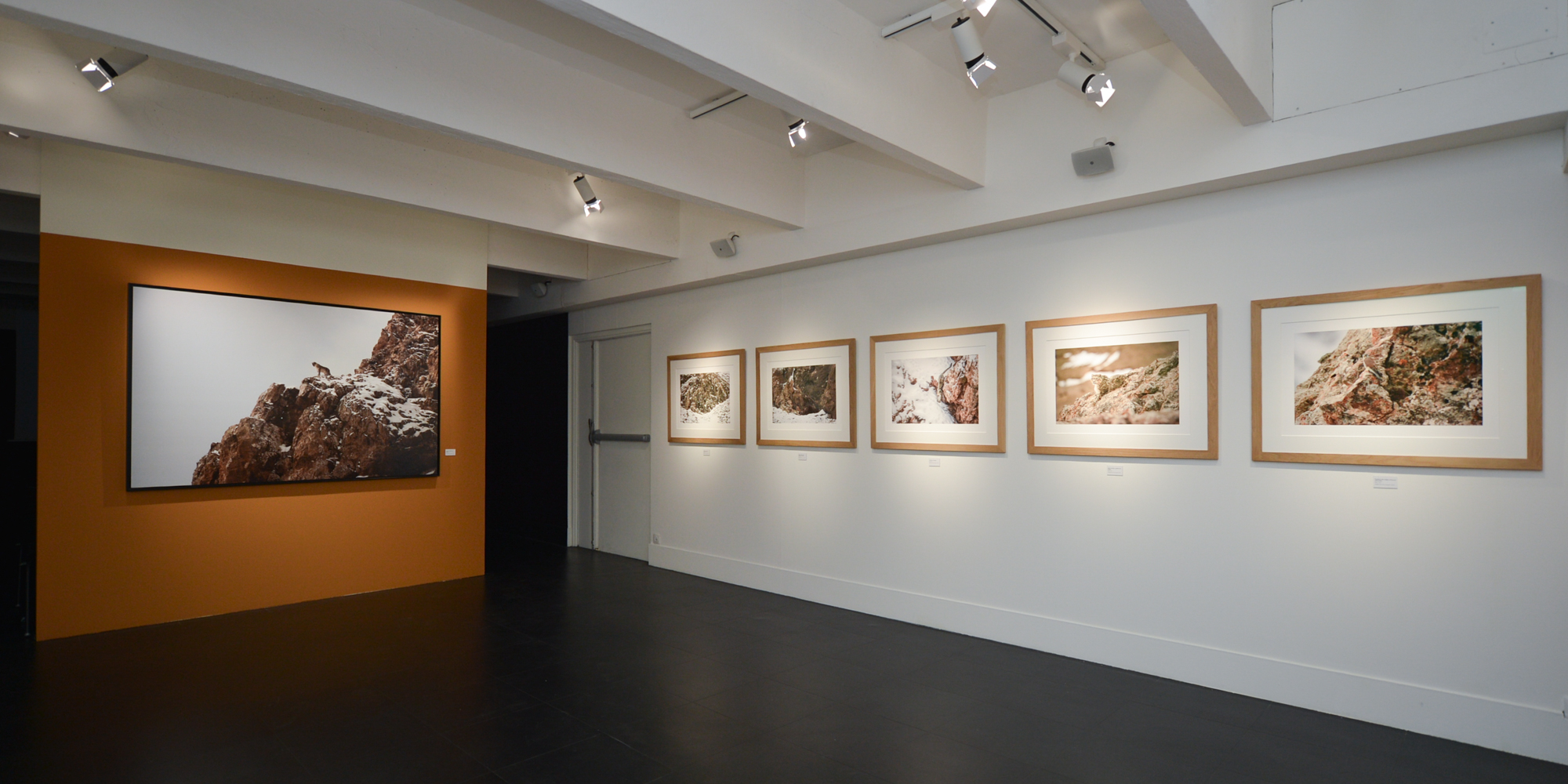
The tour ends in an immersive room featuring Vincent Munier's photographs from the original exhibition En forêt avec Vincent Munier (In the Forest with Vincent Munier), co-designed with the Musée des Confluences and the artist, a leading figure in contemporary wildlife photography, accompanied by a soundtrack created by audio naturalist Marc Namblard.
An exhibition that is both engaging and contemplative, accessible to all audiences.
"The forest tells us about the forest, but in talking about the forest,
it also tells us about man."
Giuseppe Penone
Open every day except Tuesdays outside school holidays (zone B)
Admission price: € 6/€4 in low season or €8/€6 in high season
Free for children under 6
More information: +33 (0)4 92 75 70 50 – info-salagon@le04.fr
Access: On-siteparking / disabled access / public transportation nearby


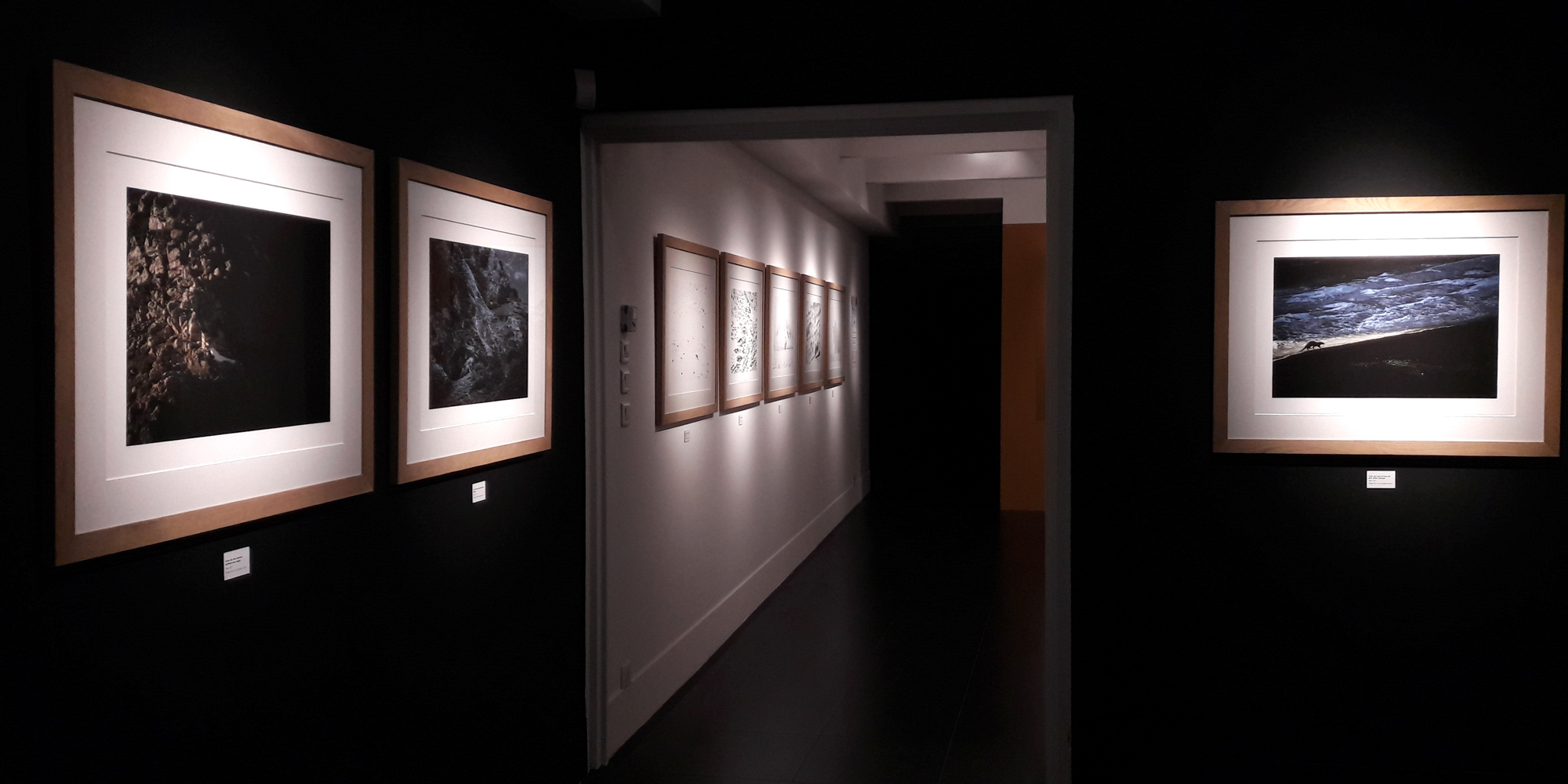
The last room of the exhibition invites visitors to enjoy an immersive and poetic experience in the heart of the forest, designed in partnership with the Musée des Confluences (Lyon). It plunges the public into an intimate atmosphere where photography, sound, and emotion intermingle.
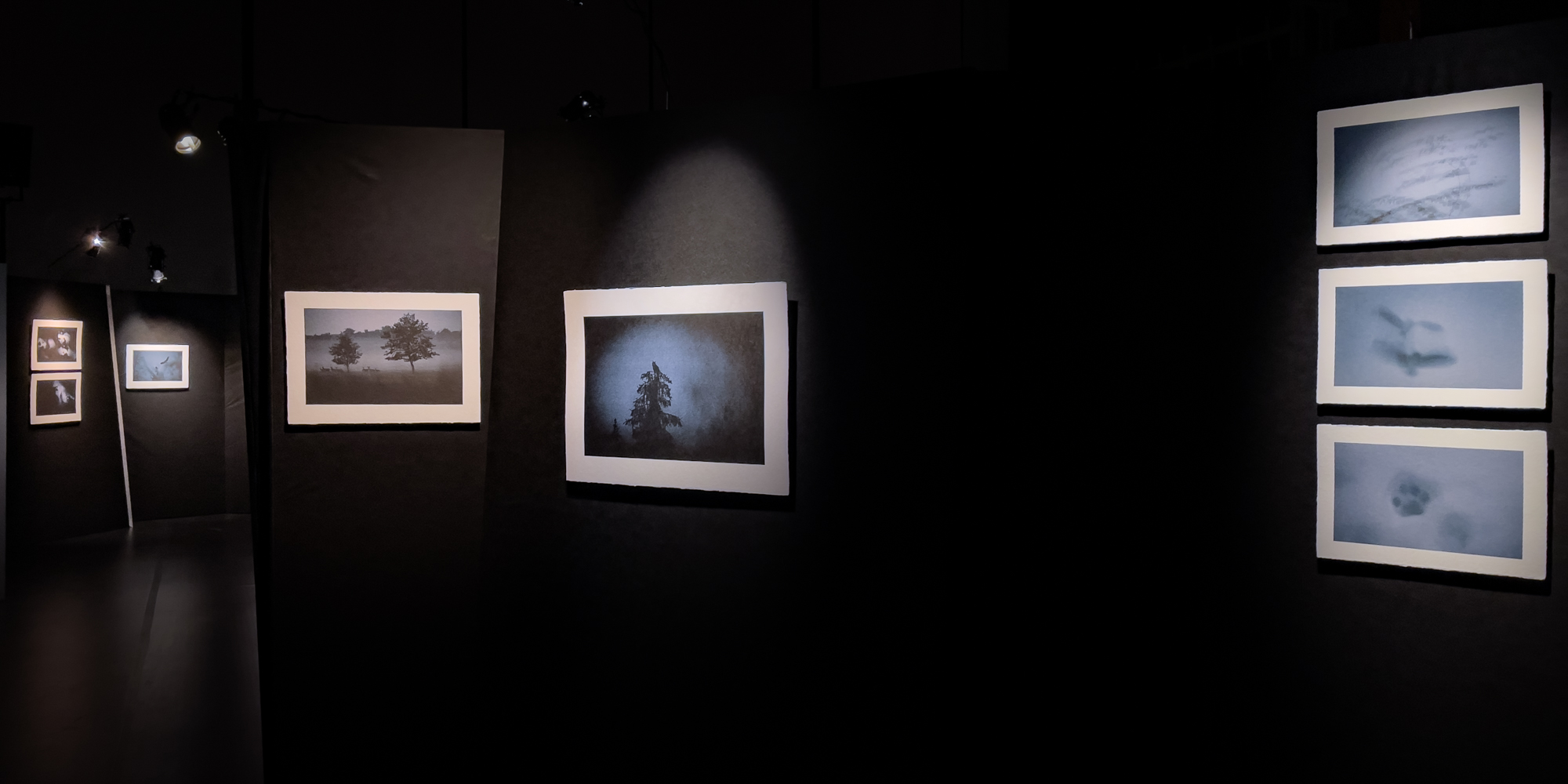
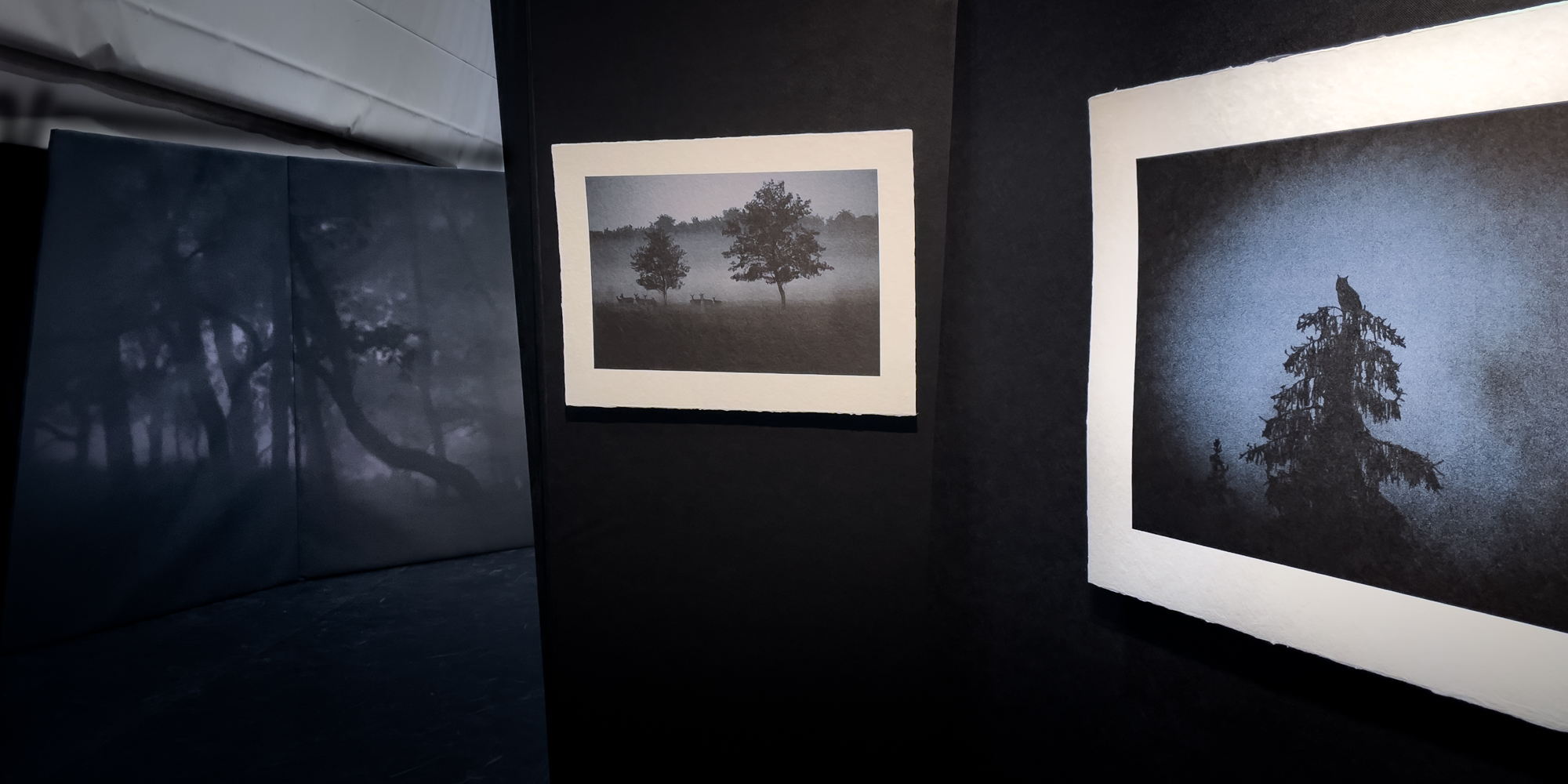
This installation showcases the work of wildlife photographer Vincent Munier, renowned for his sensitive and contemplative approach to the wild world. Through a selection of his photographs, he reveals a discreet fauna—deer, lynx, capercaillie—in hushed and luminous settings that celebrate the fragile beauty of life.
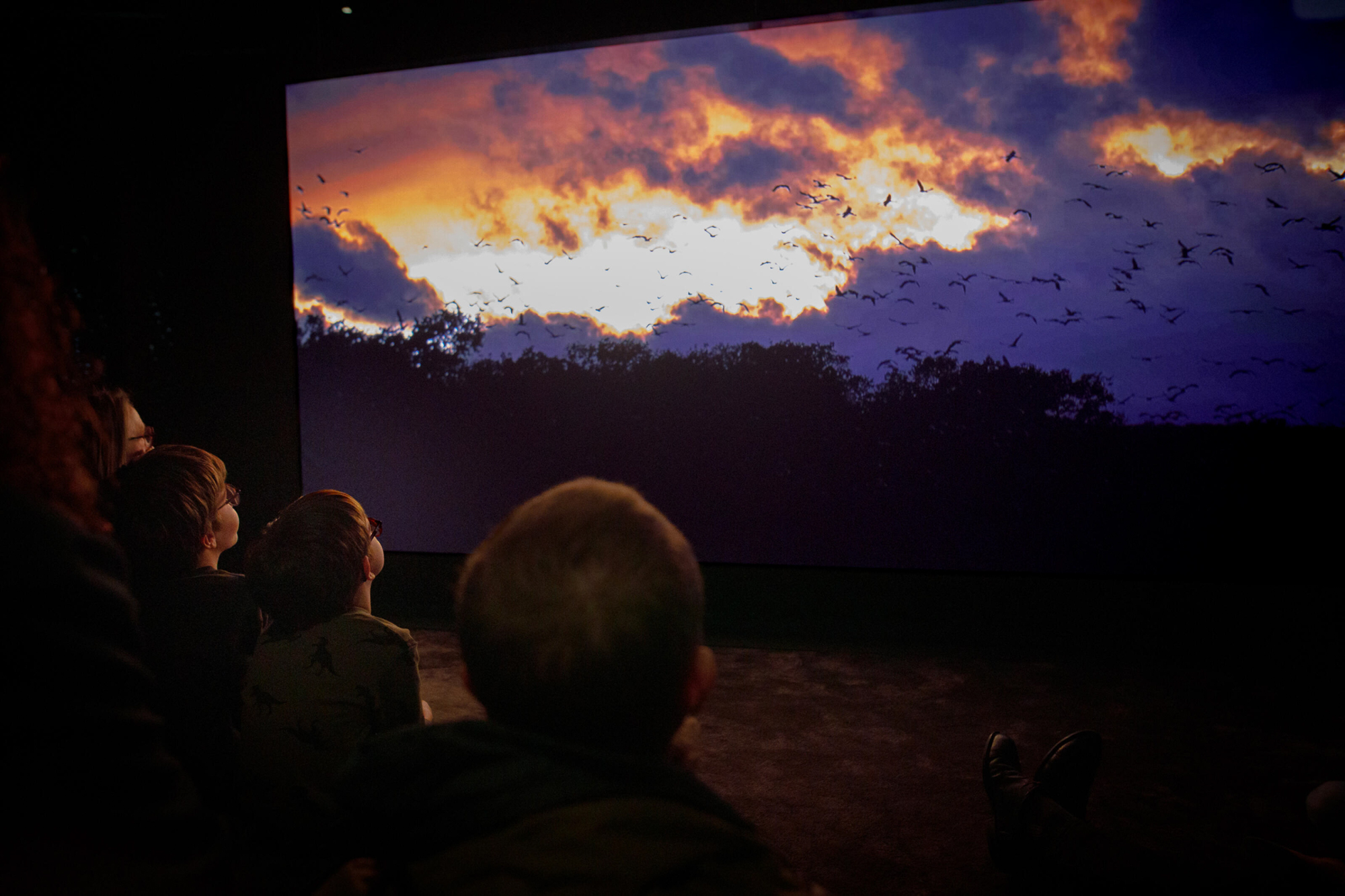
The images are accompanied by soundscapes created by bioacoustician Marc Namblard, who delicately recreates the rustling, breathing, and singing of the forest. Together, these elements compose a space for listening and viewing, conducive to slowness, observation, and wonder.
This room invites us to change our perspective on nature: to slow down, to step back, to relearn discretion in order to better perceive the richness of our surroundings.
"The forest is my refuge. It is among the trees, silent and immobile giants that connect the ground to the heavens, that I feel truly alive. We have strayed too far from this environment and we must not see it solely as a place for leisure or a source of goods to be extracted and exploited. Nor as an impenetrable place of anxiety and fear. It is a complex, sacred place, an inexhaustible source of wonder—provided we do not overexploit it. We tread lightly there to respect the plant and animal species. This exhibition is an invitation to sit at the foot of a tree and engage your senses to feed on this accessible beauty... as long as you can
s’effacer.
Vincent Munier

Festival of the gaze
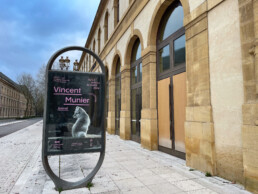
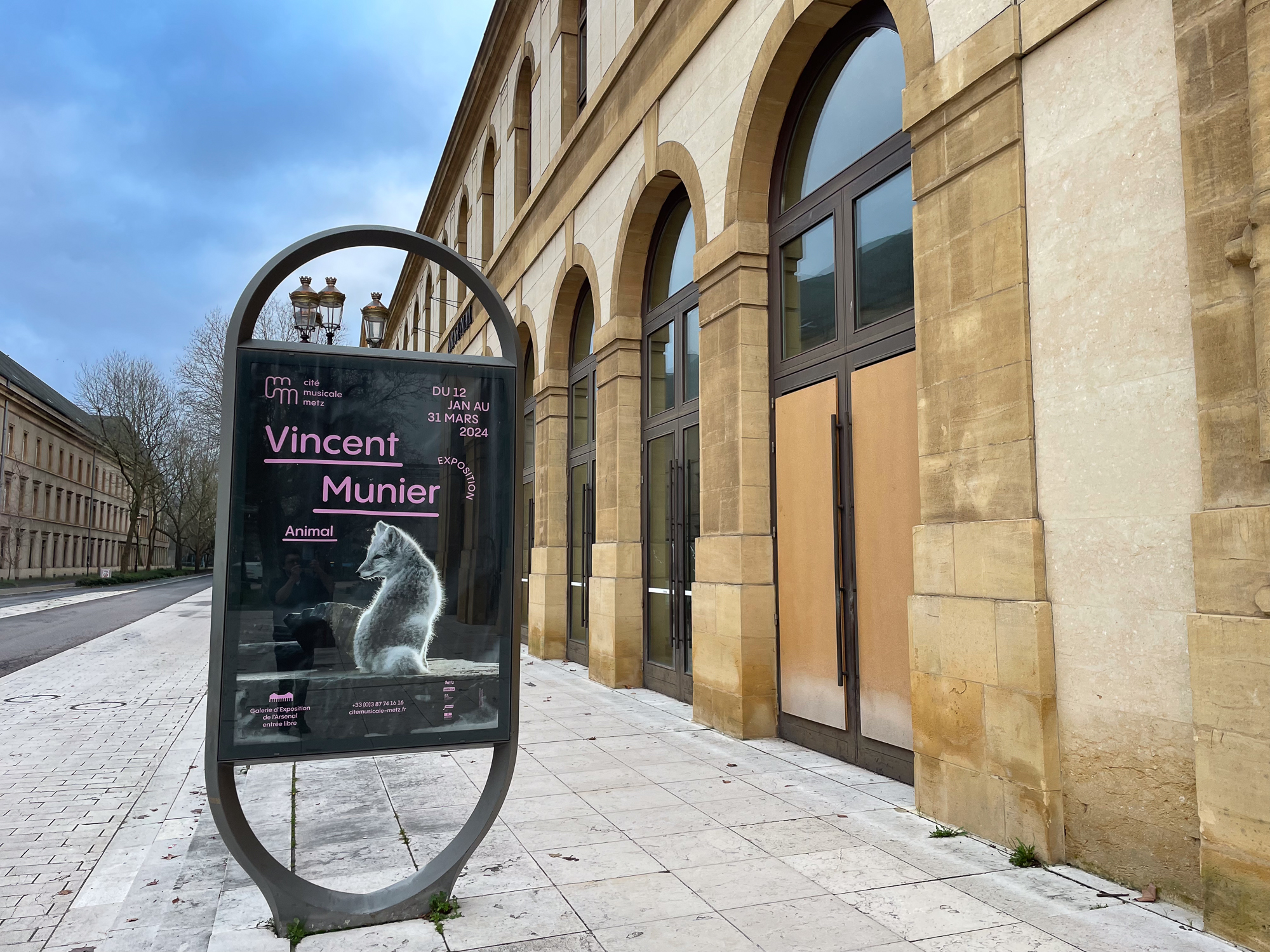
Vincent Munier & Pentti Sammallahti
One amazes us with his color photographs of animals, the other is a virtuoso of black and white. One was born in the Vosges mountains in 1976, the other in the Finnish plains in 1950. Even though more than twenty years separate them and they live 3,000 km apart, Vincent Munier and Pentti Sammallahti have a lot in common: a desire to explore the world, a love and knowledge of nature and animals, a mastery of photographic technique, and a passion for photography books (they have both founded publishing houses). In short, they are united by a beautiful humanity and a unique perspective imbued with a curiosity that has not been eroded by years of practice. The idea of bringing them together came naturally to us, knowing Vincent Munier's admiration for Pentti Sammallahti's work.
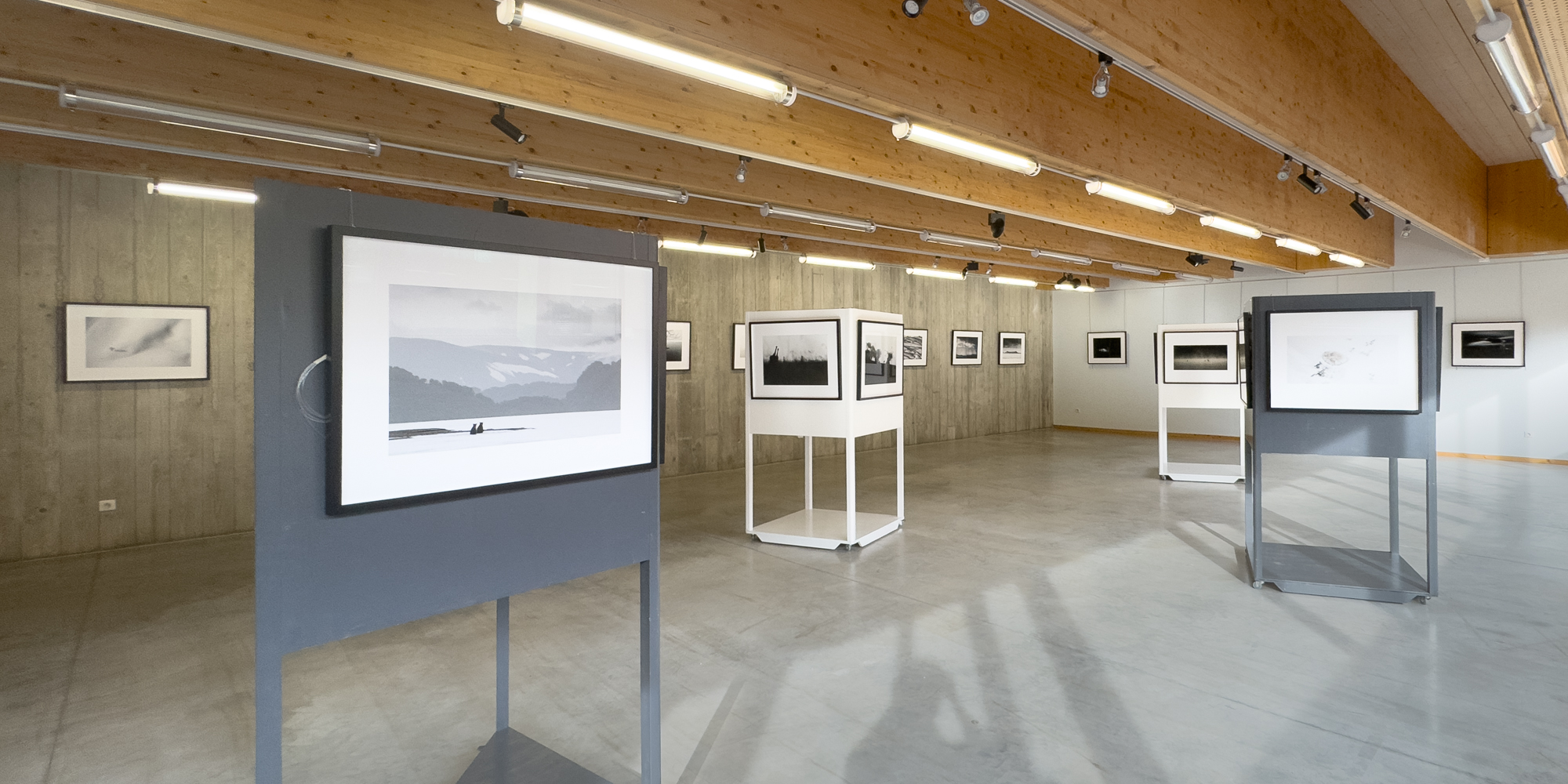
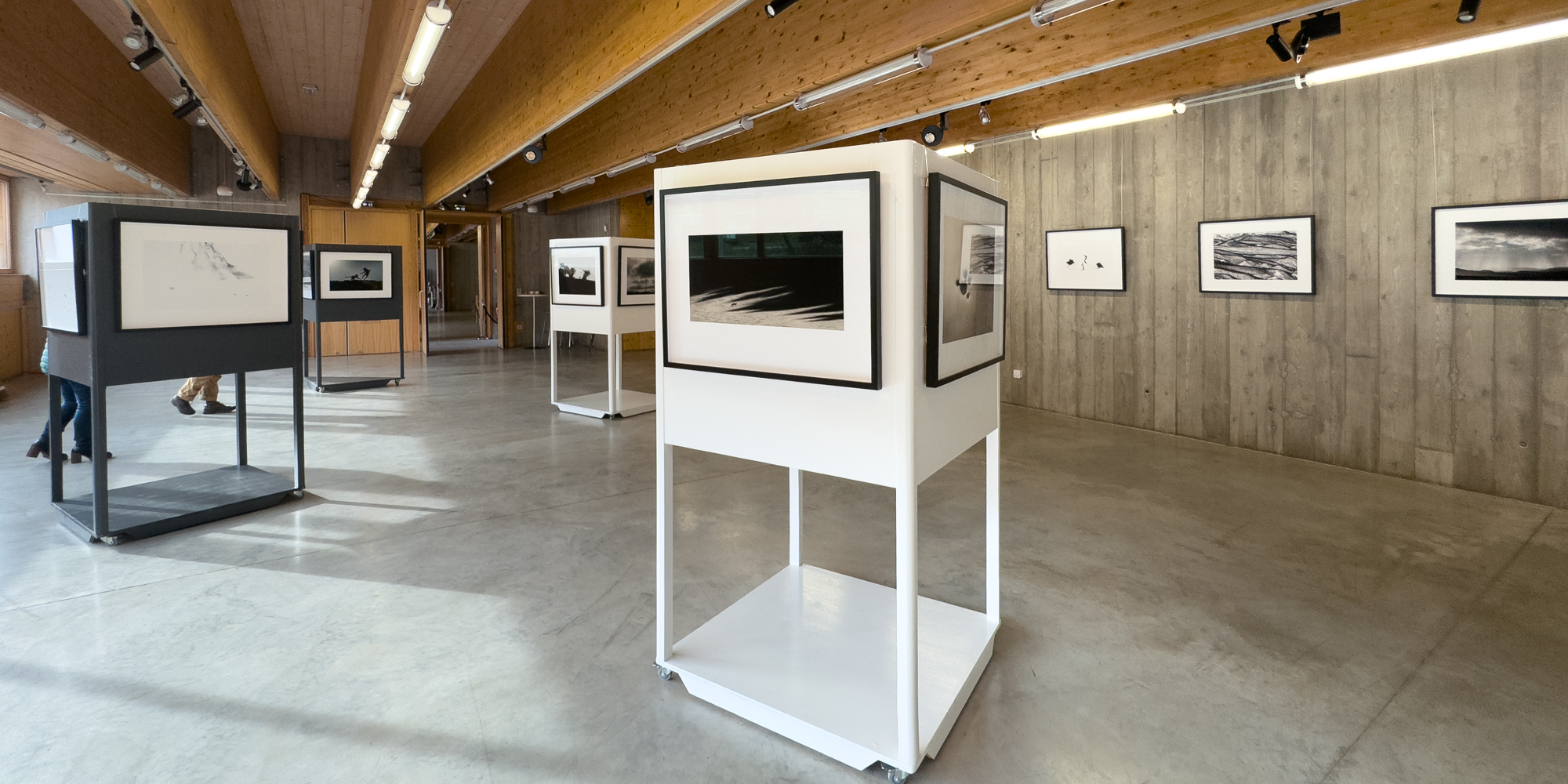
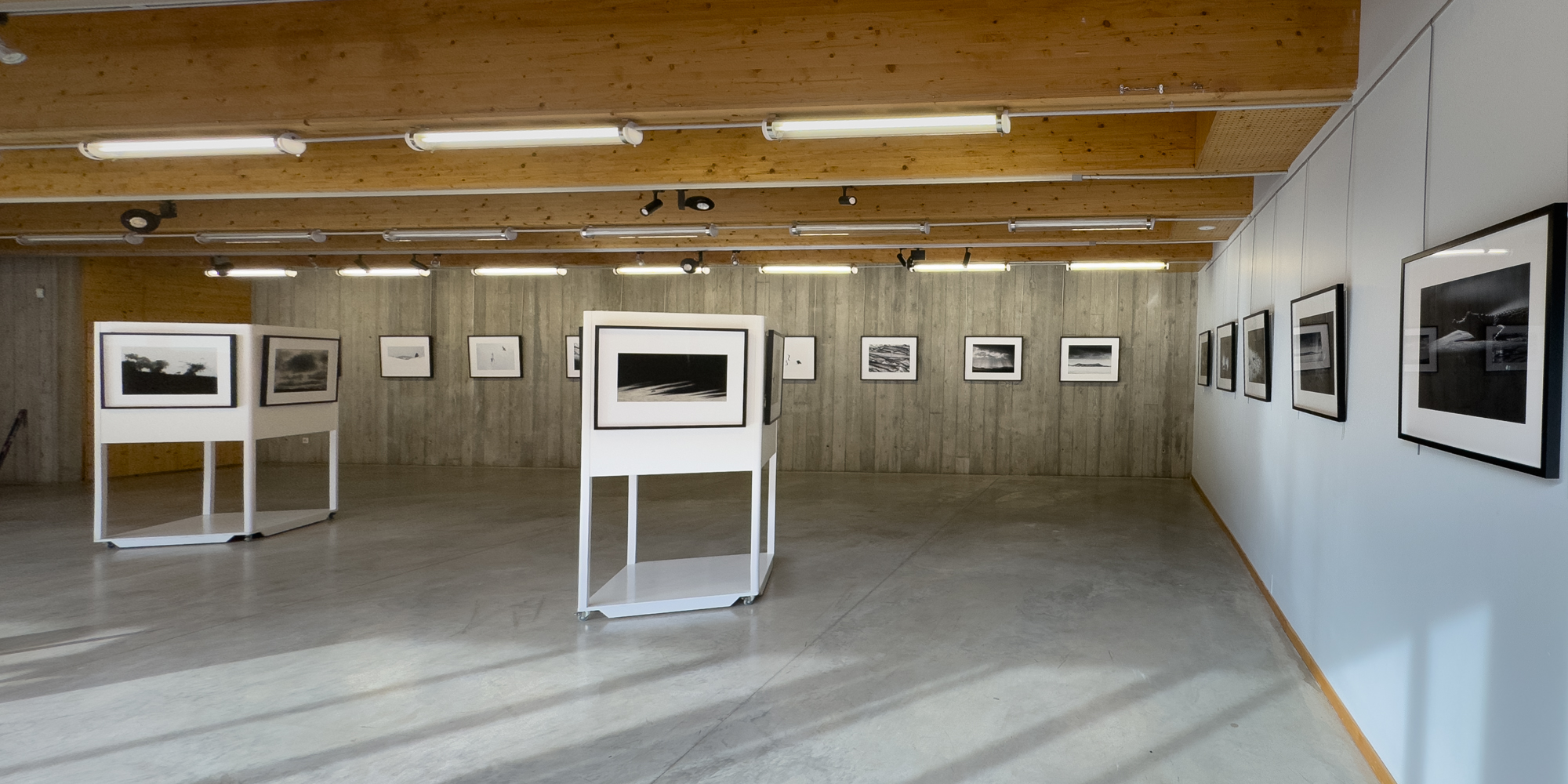
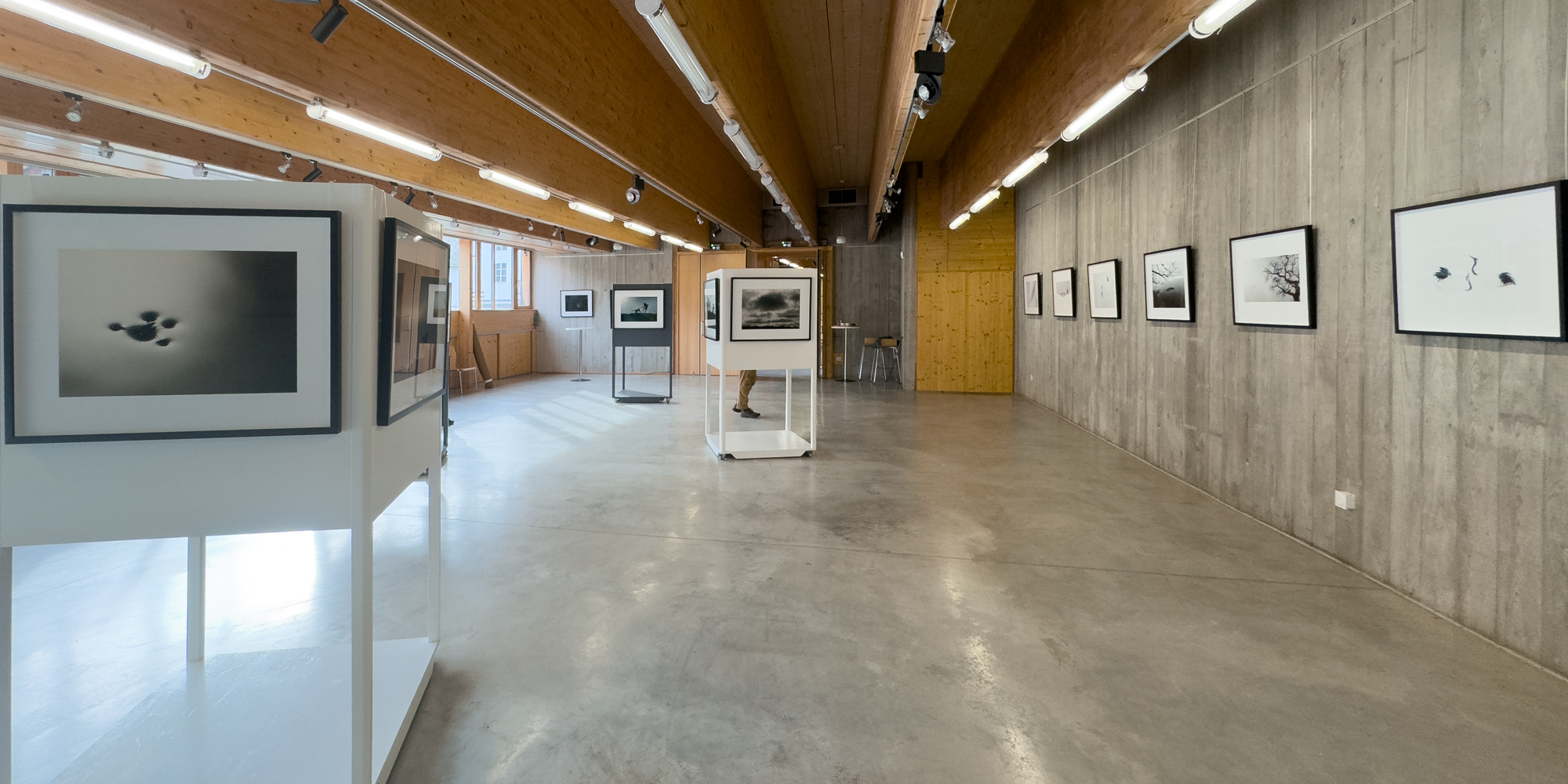
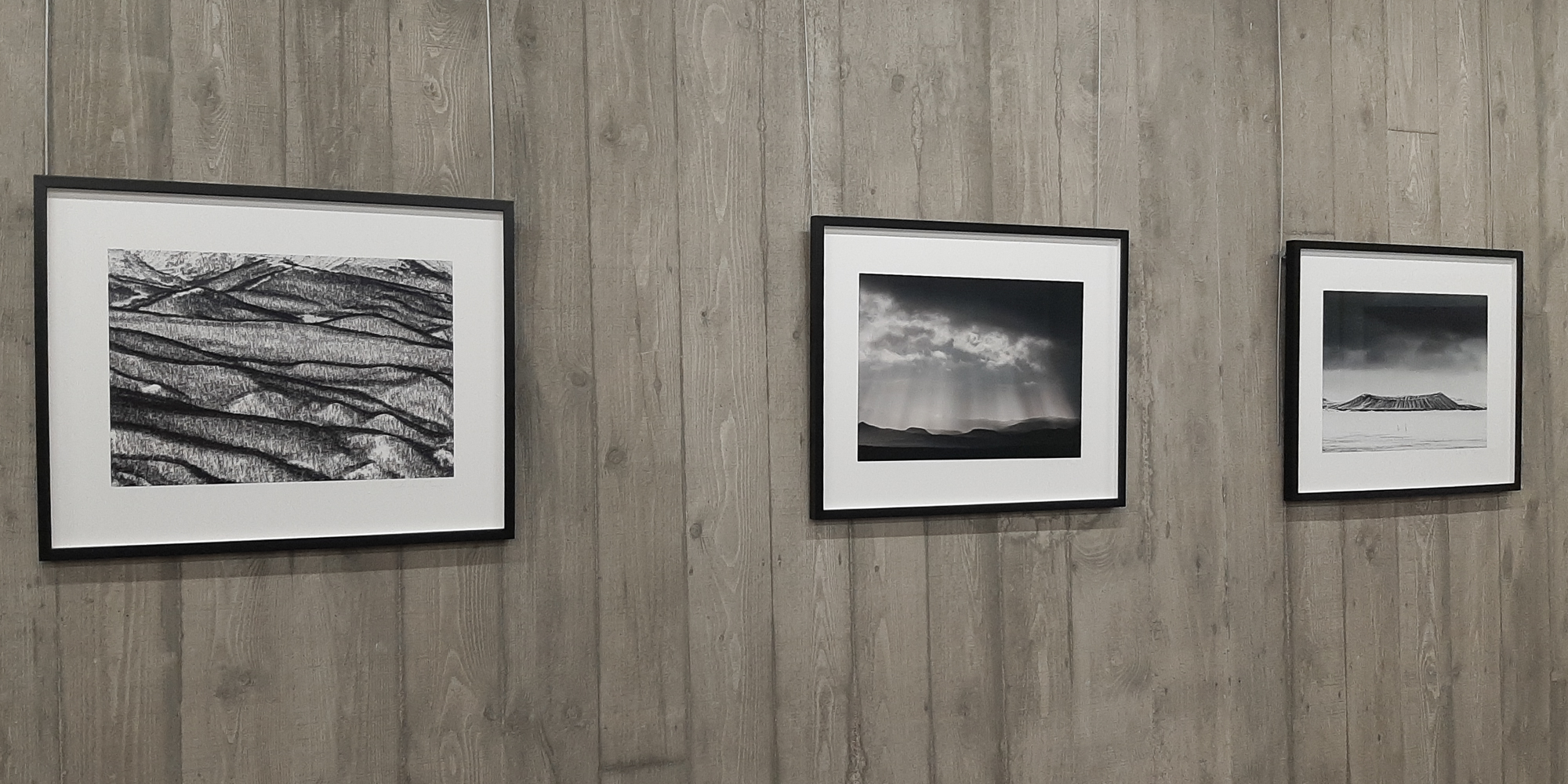
Museum of Confluences
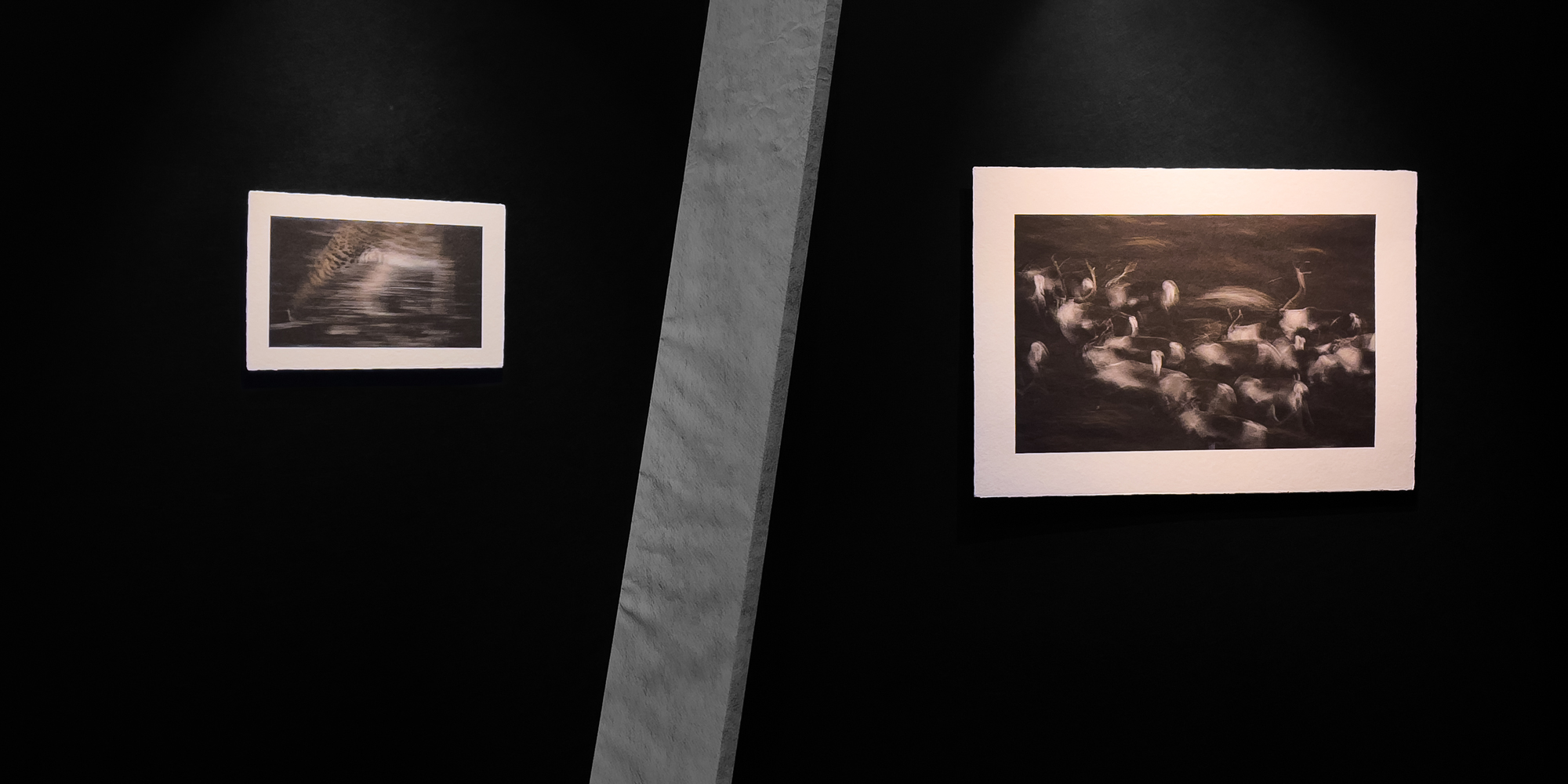
From dusk to dawn, the forest is the setting for a teeming life. Photographer and filmmaker Vincent Munier, who loves the wilderness, has been exploring French forests, particularly those in the Vosges, since childhood. With this exhibition, he offers us a visual and auditory journey into a natural world that seems familiar but is often misunderstood. Deer, owls, lynx, capercaillies, black woodpeckers... the images, both still and animated, reveal the wildlife that inhabits the forests, inviting us to observe, as if on the lookout, to better marvel at this magnificent and threatened universe.
The exhibition benefits from an audio description experiment thanks to the support of the VISIO Foundation for assistance to visually impaired children and adults. Visitors who are visually impaired or blind can enjoy audio description of 10 of the photographs, the original film, and the general atmosphere of the exhibition and its scenography. Access to this content is available via smartphone or tablet, as well as earphones.
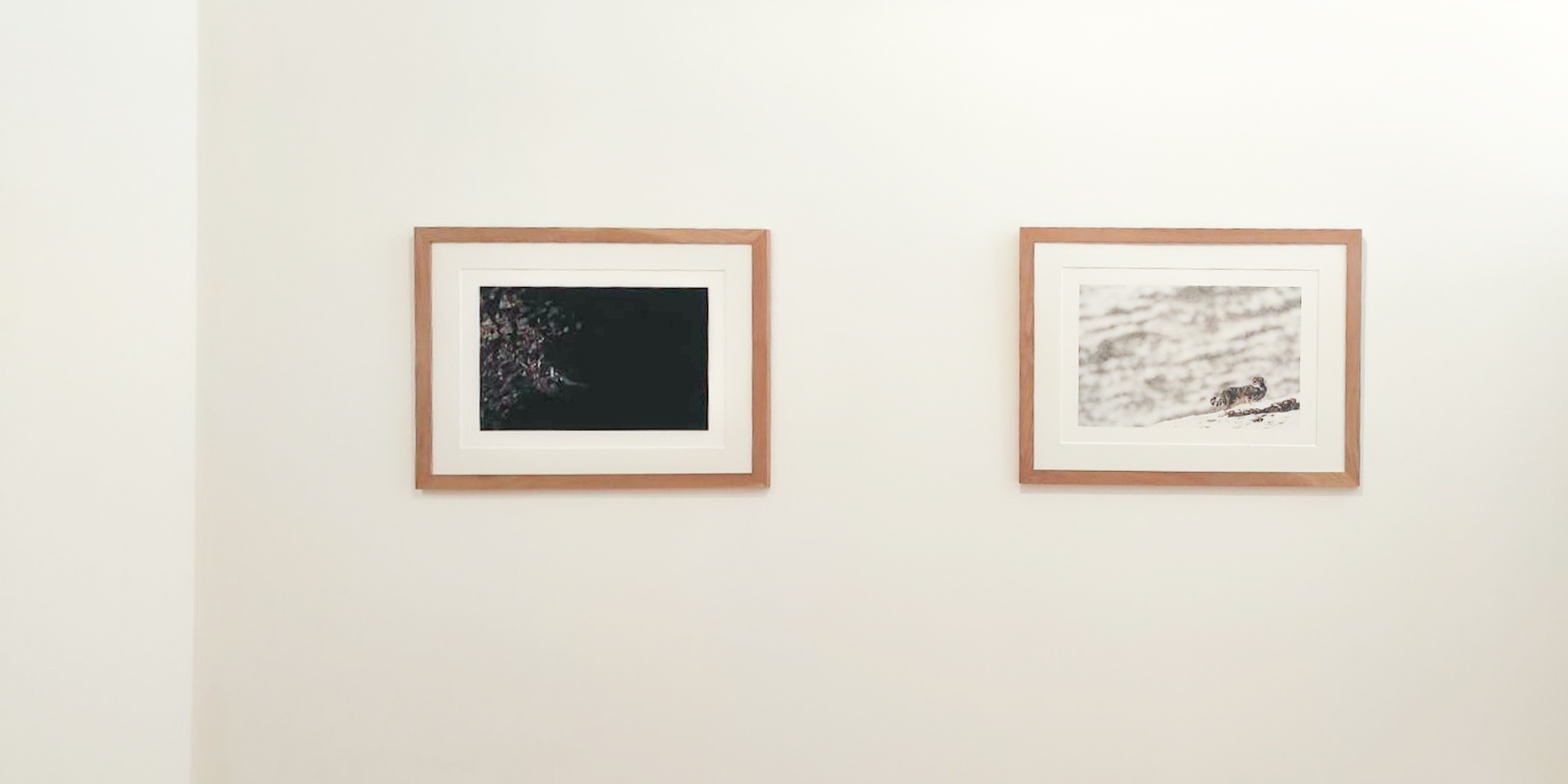
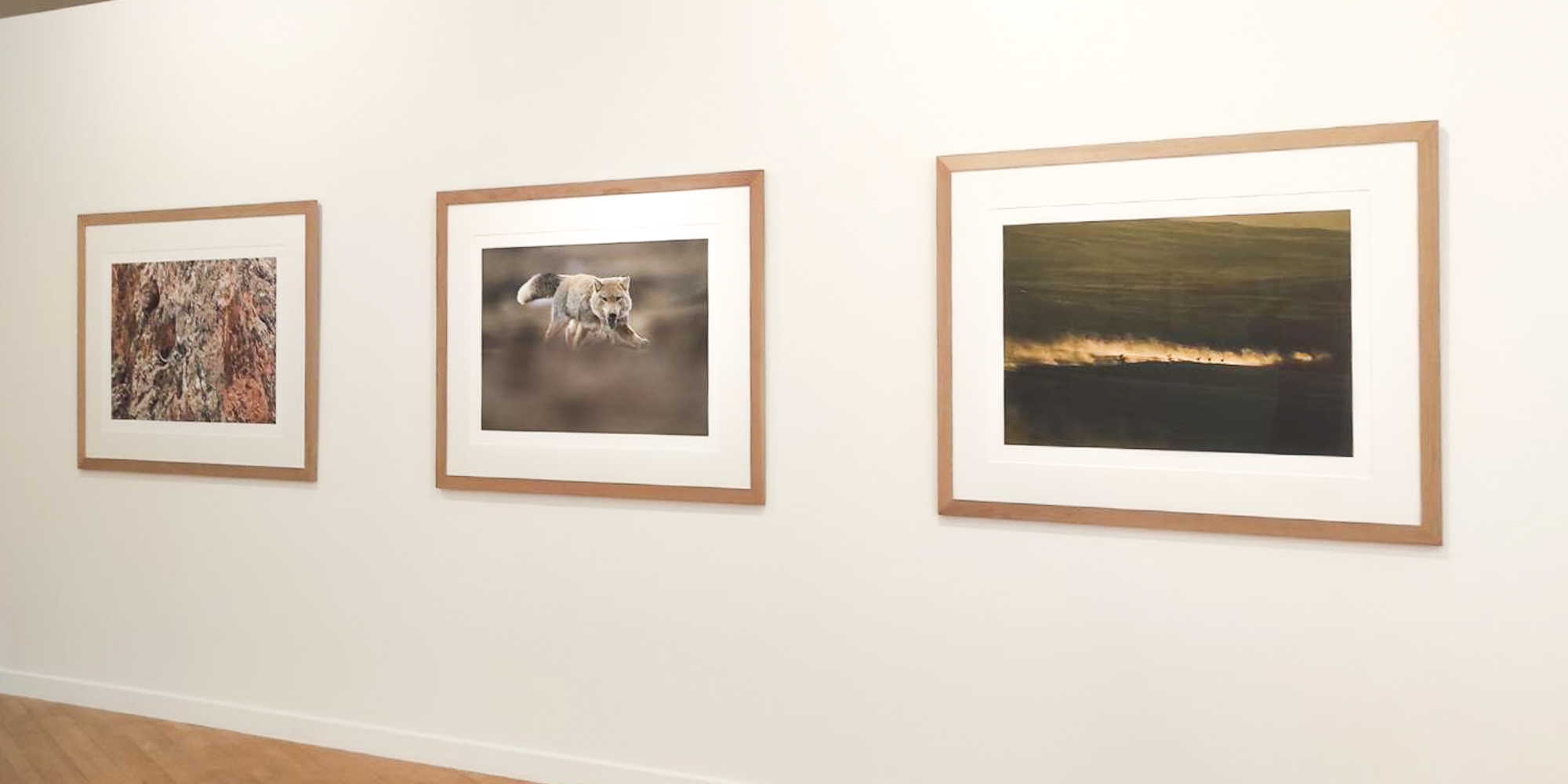
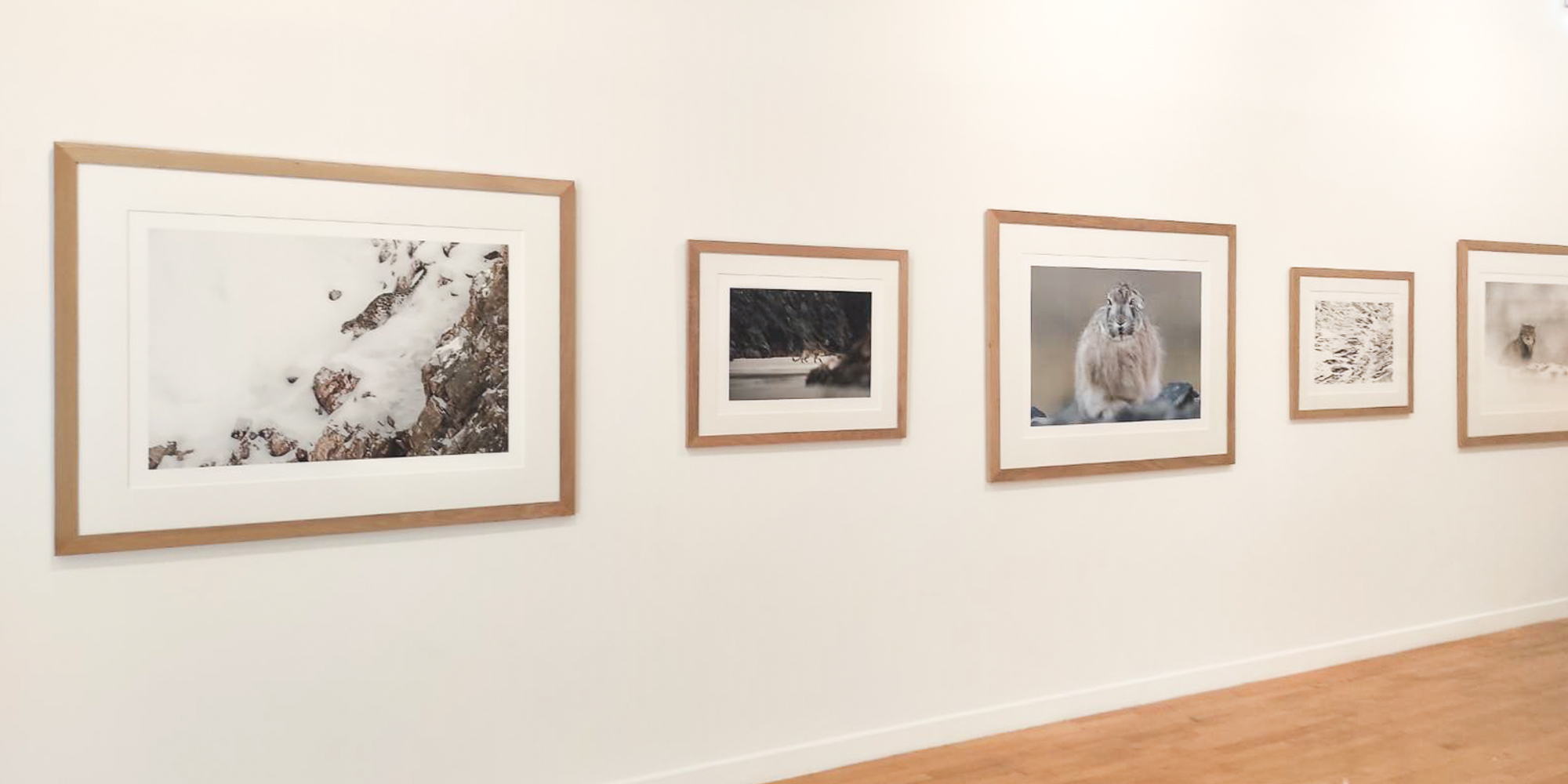
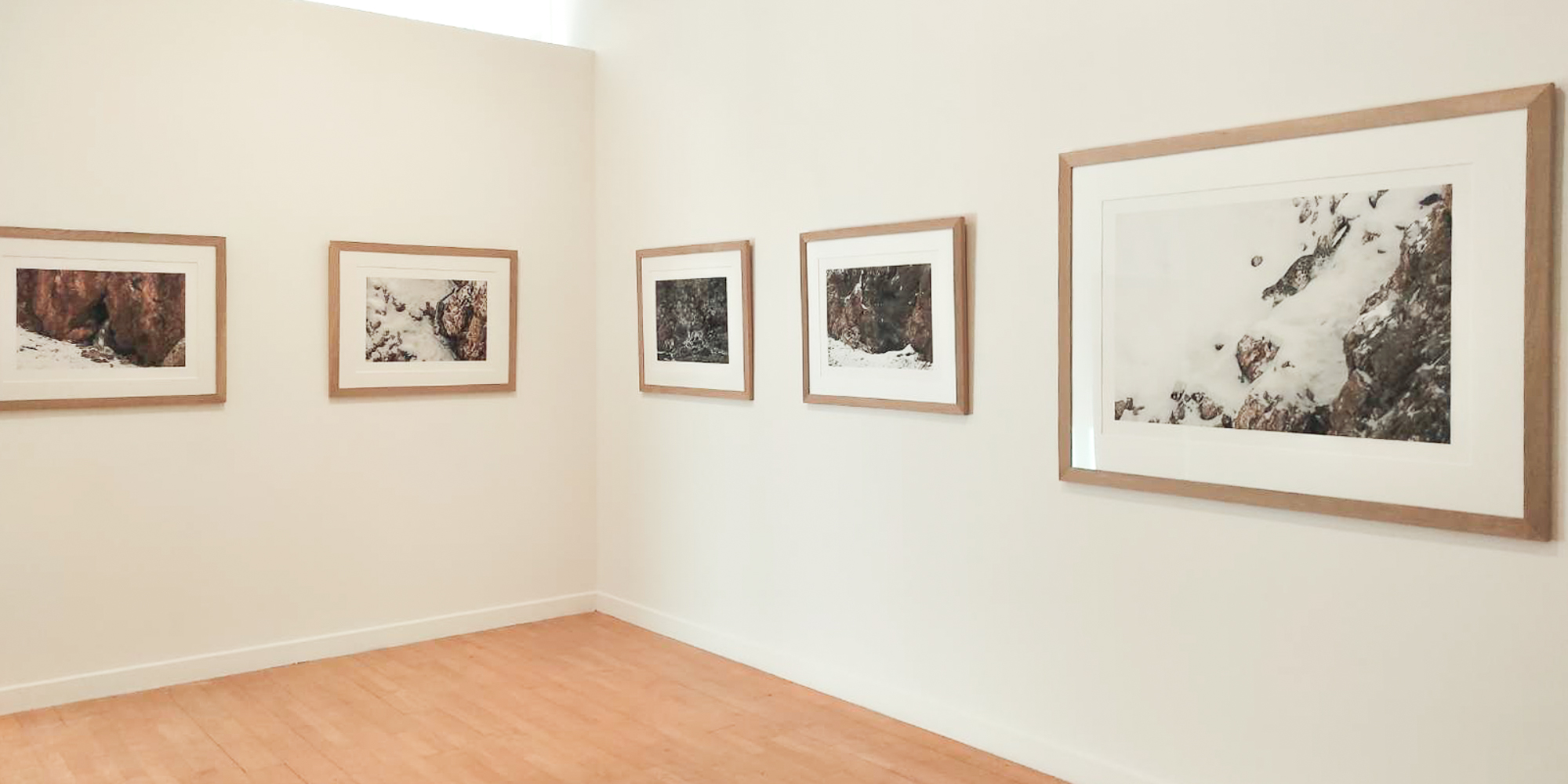
Charles Nègre Museum of Photography
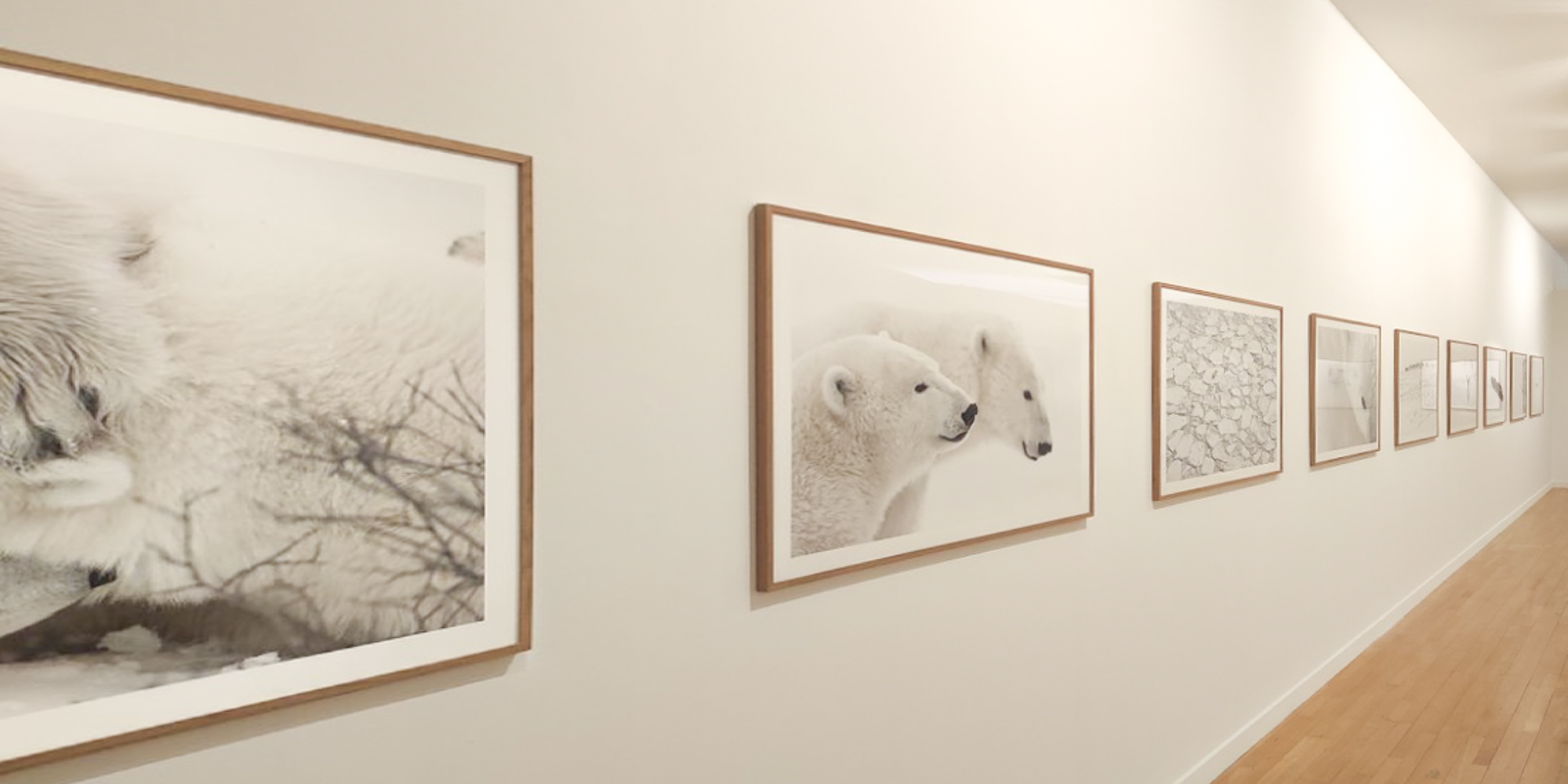
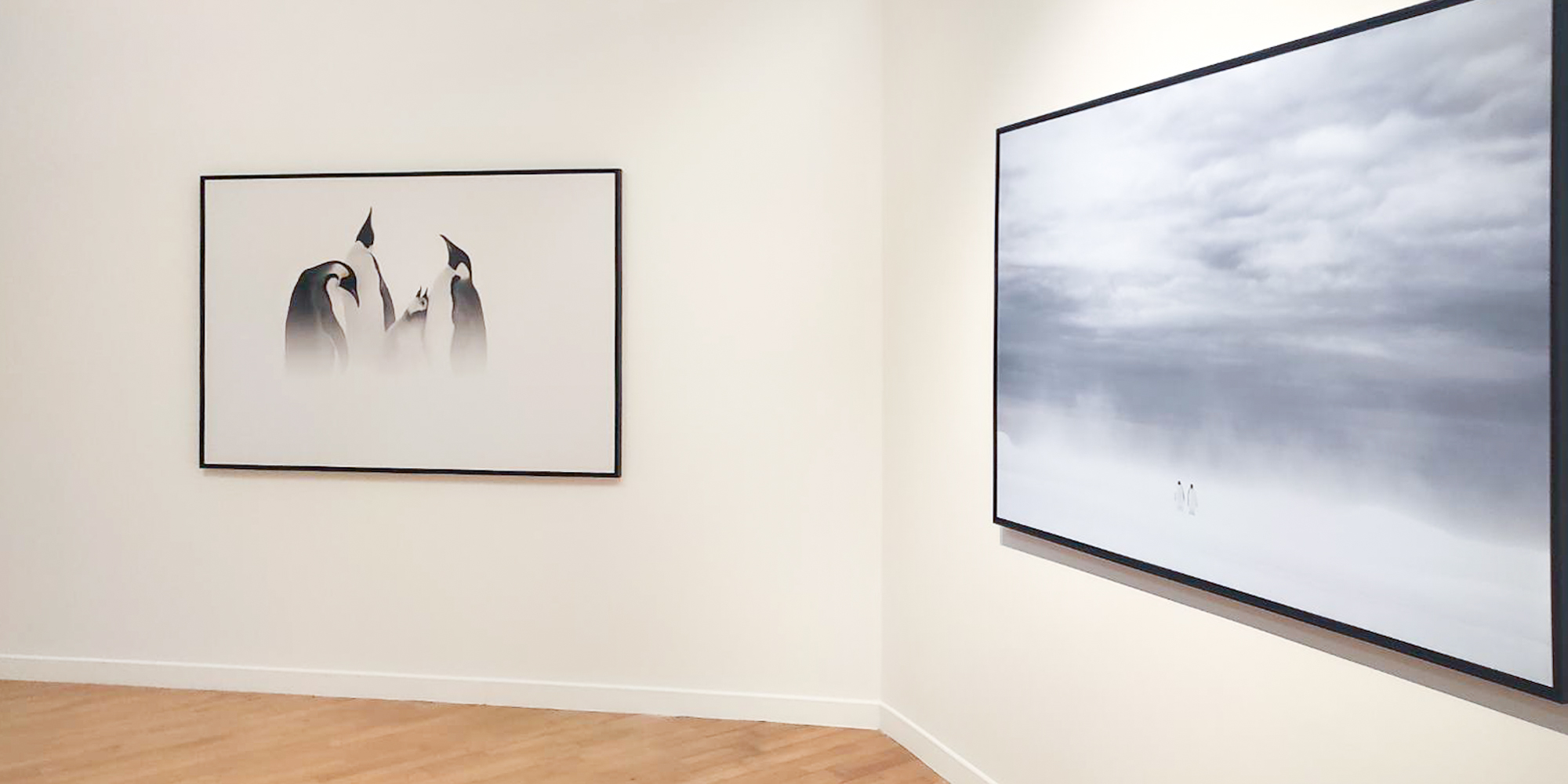
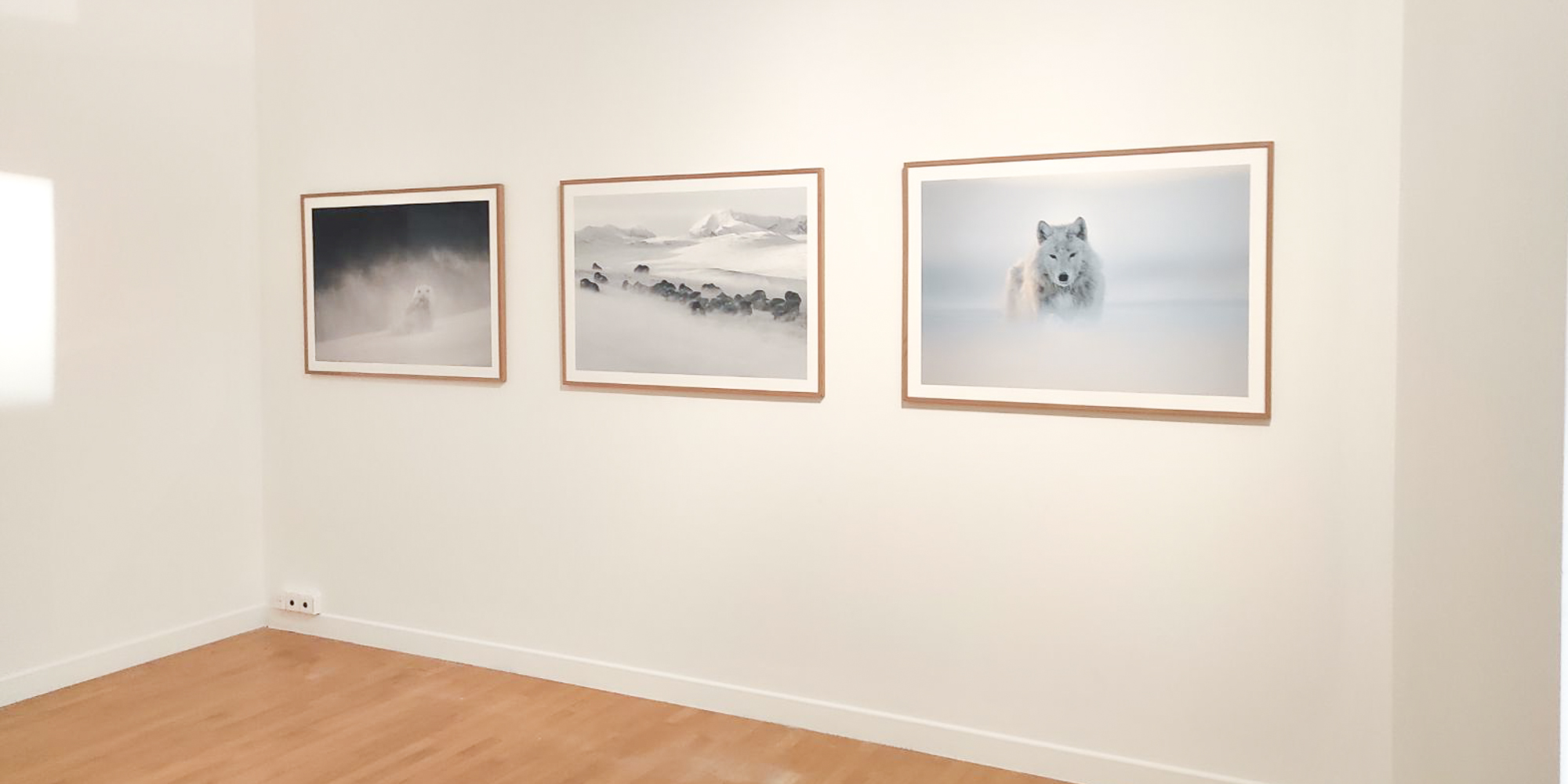
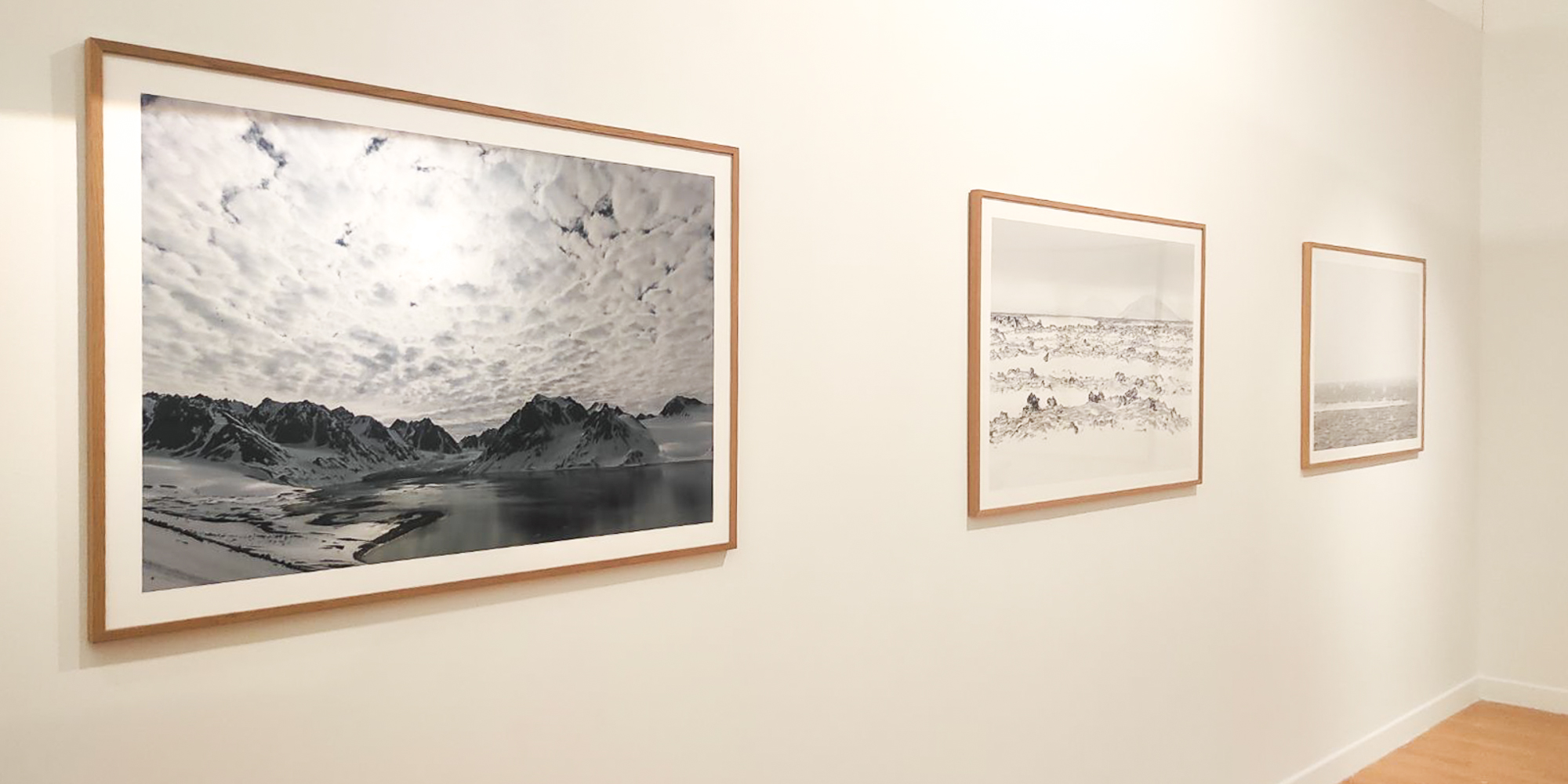
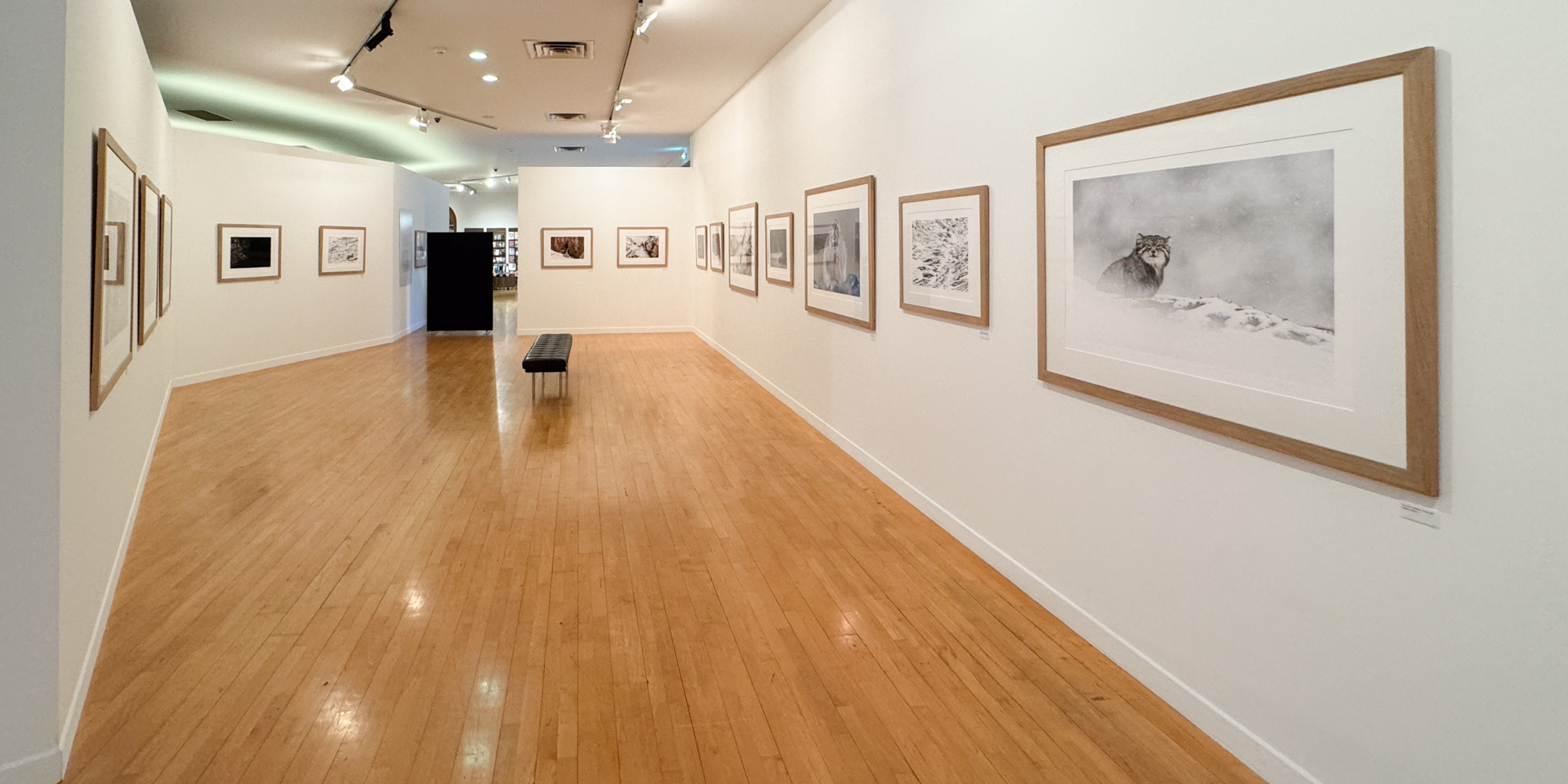
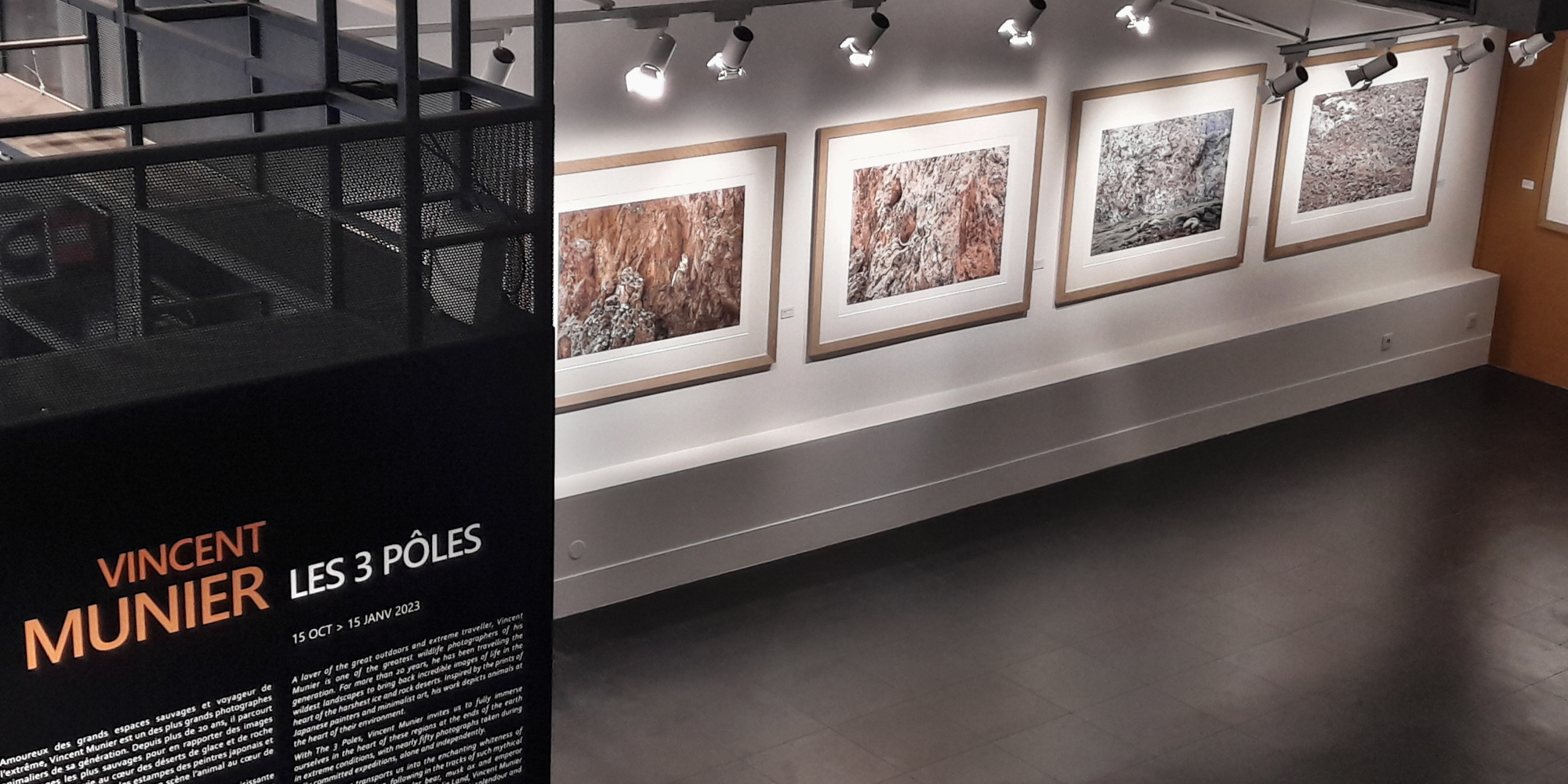
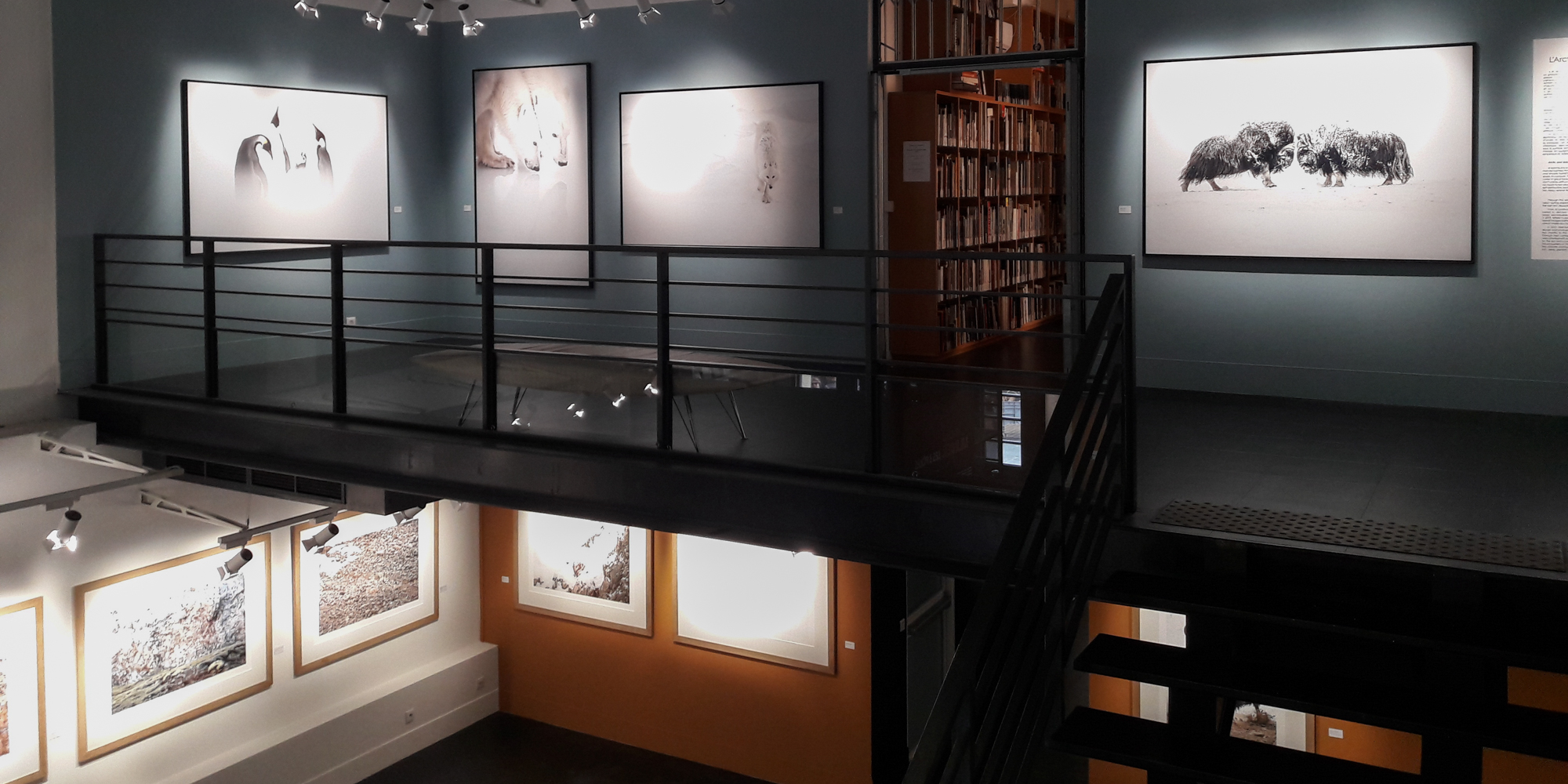
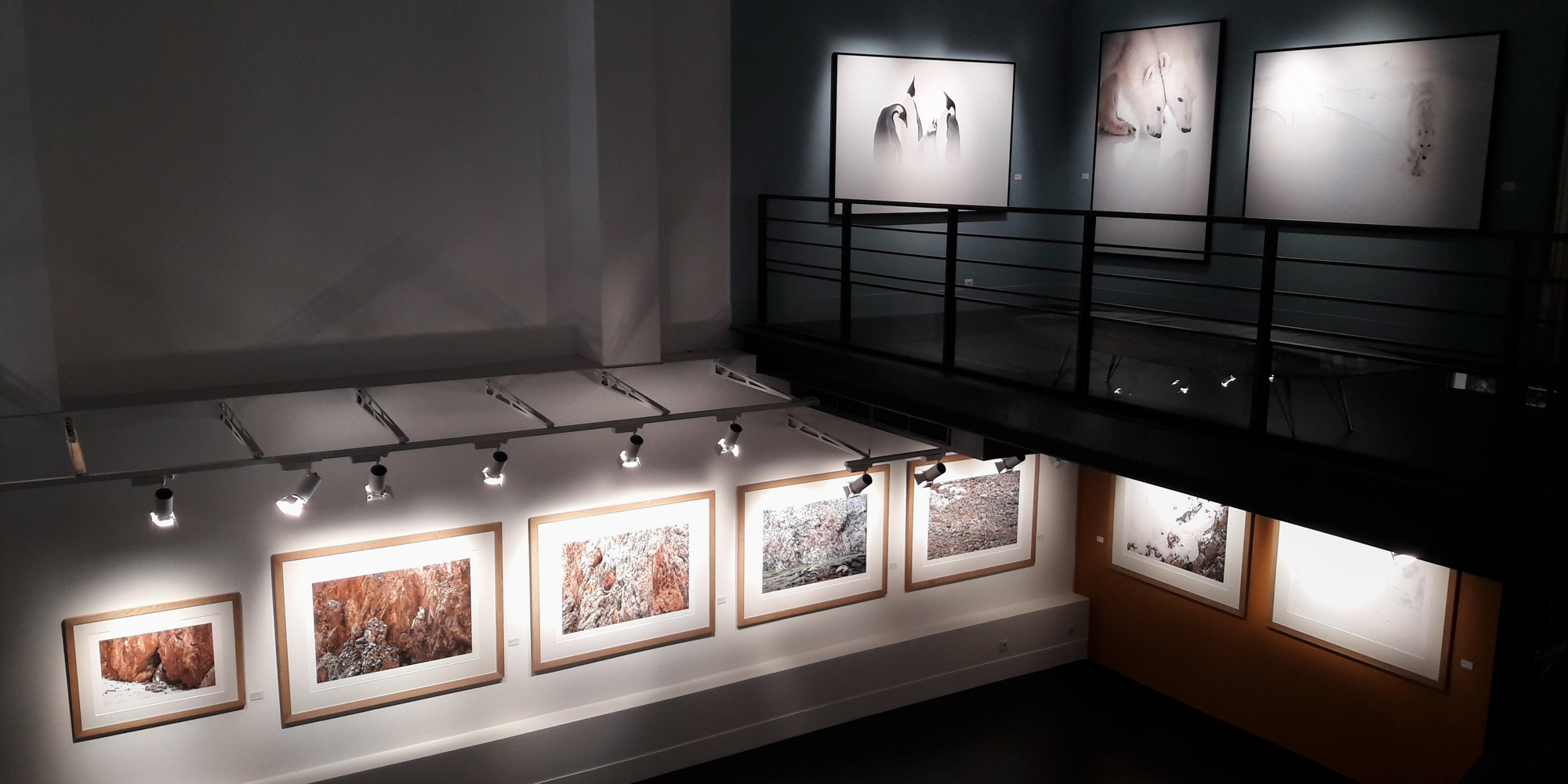
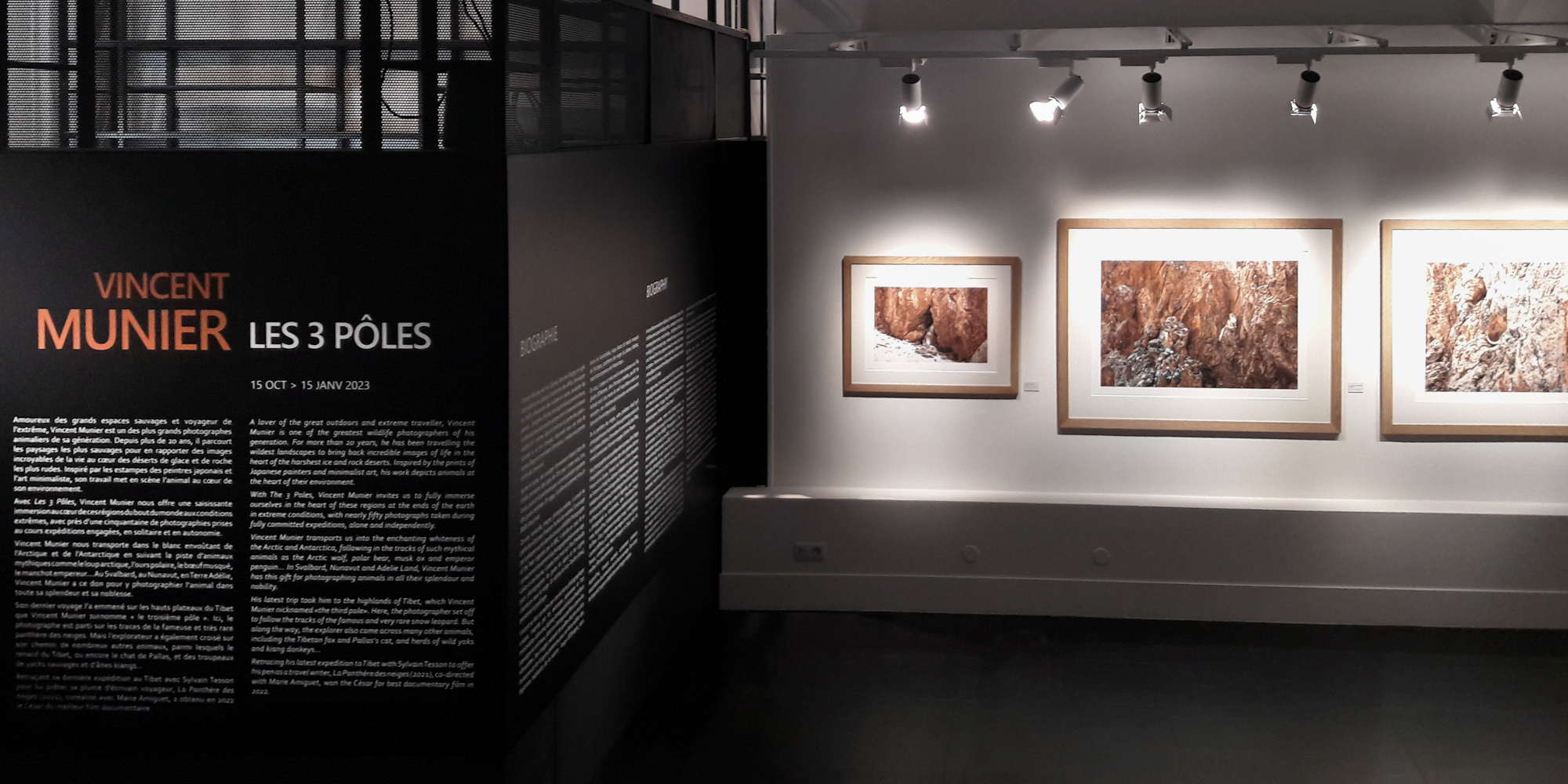
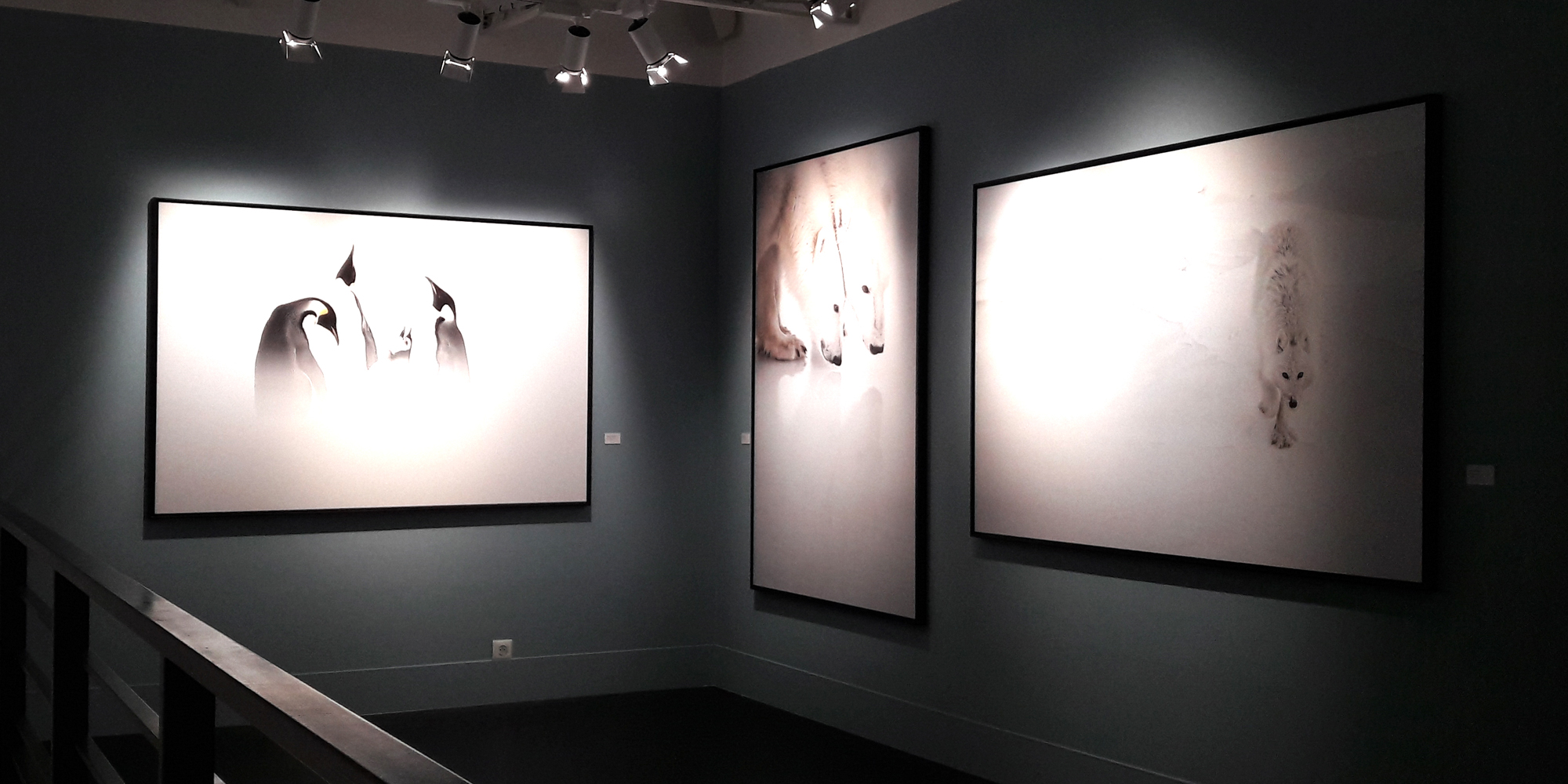
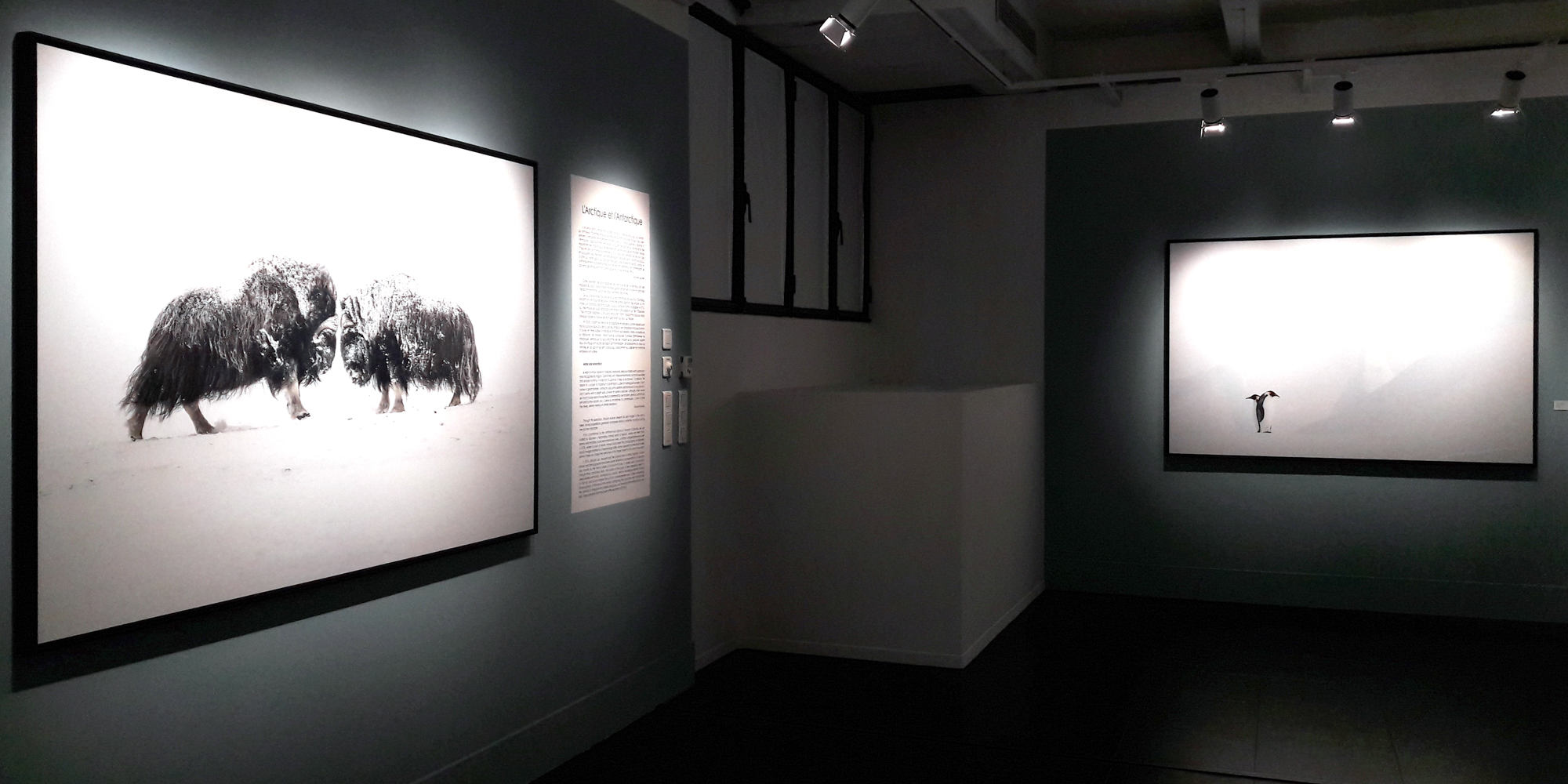
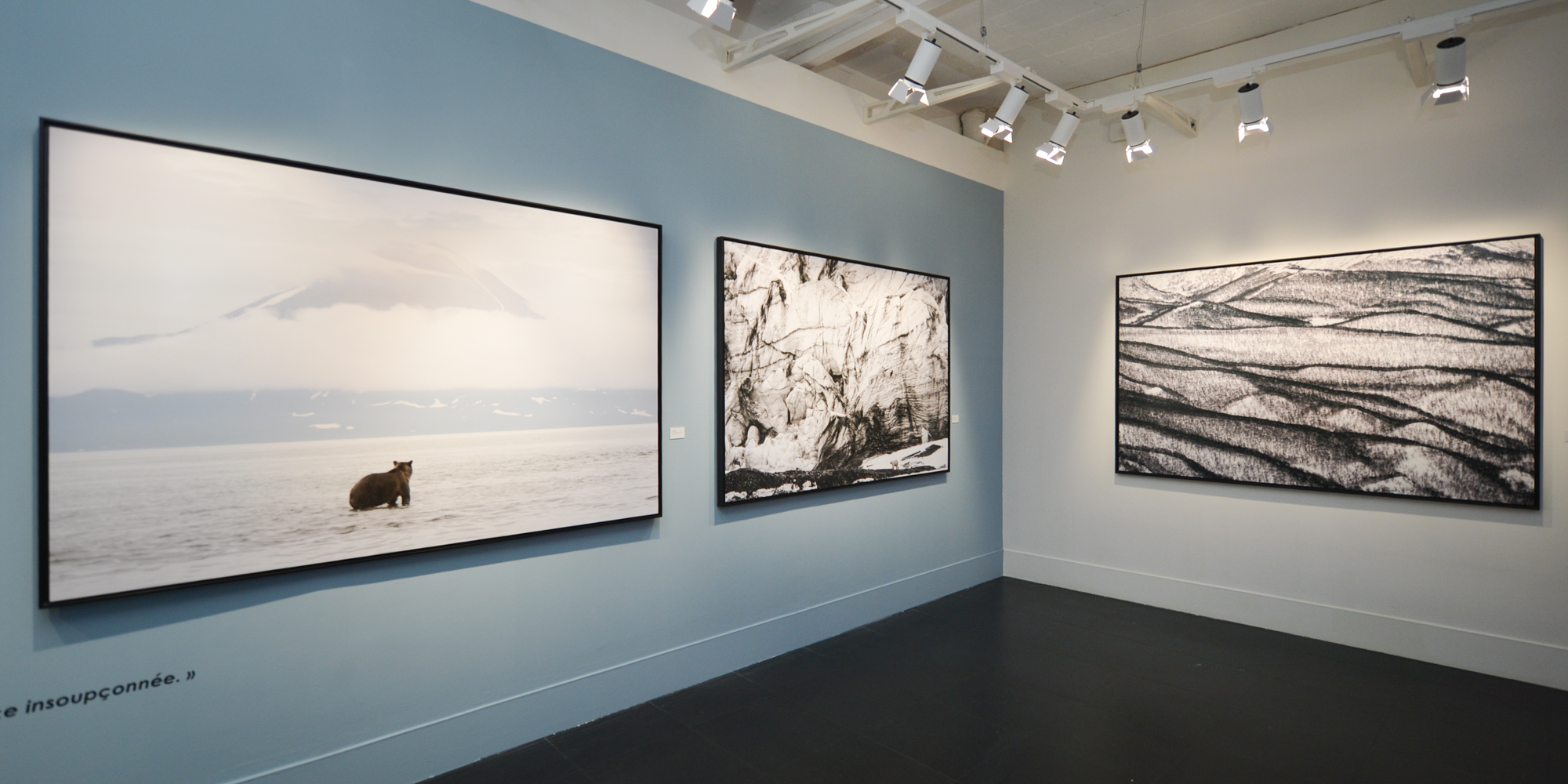
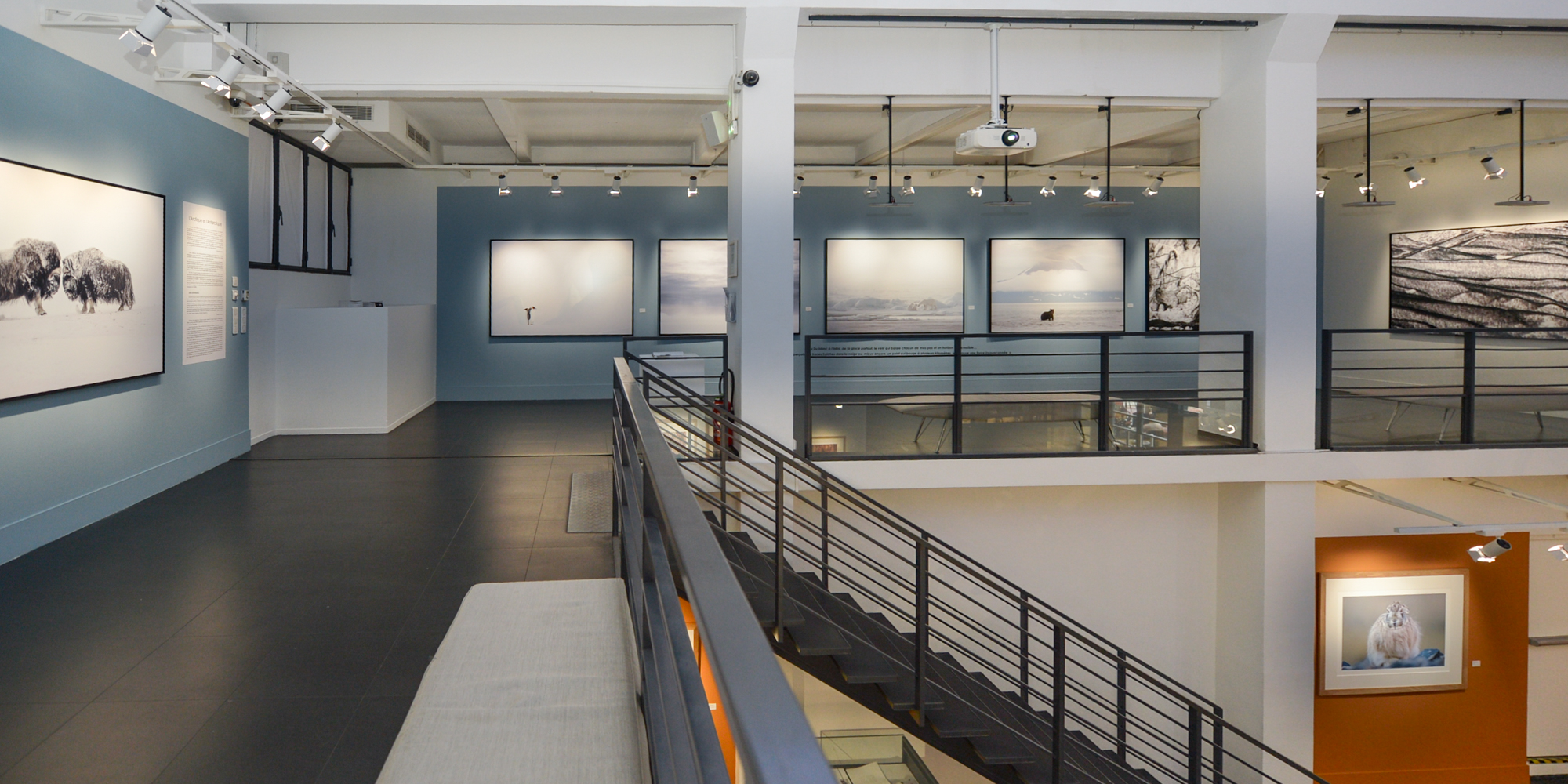
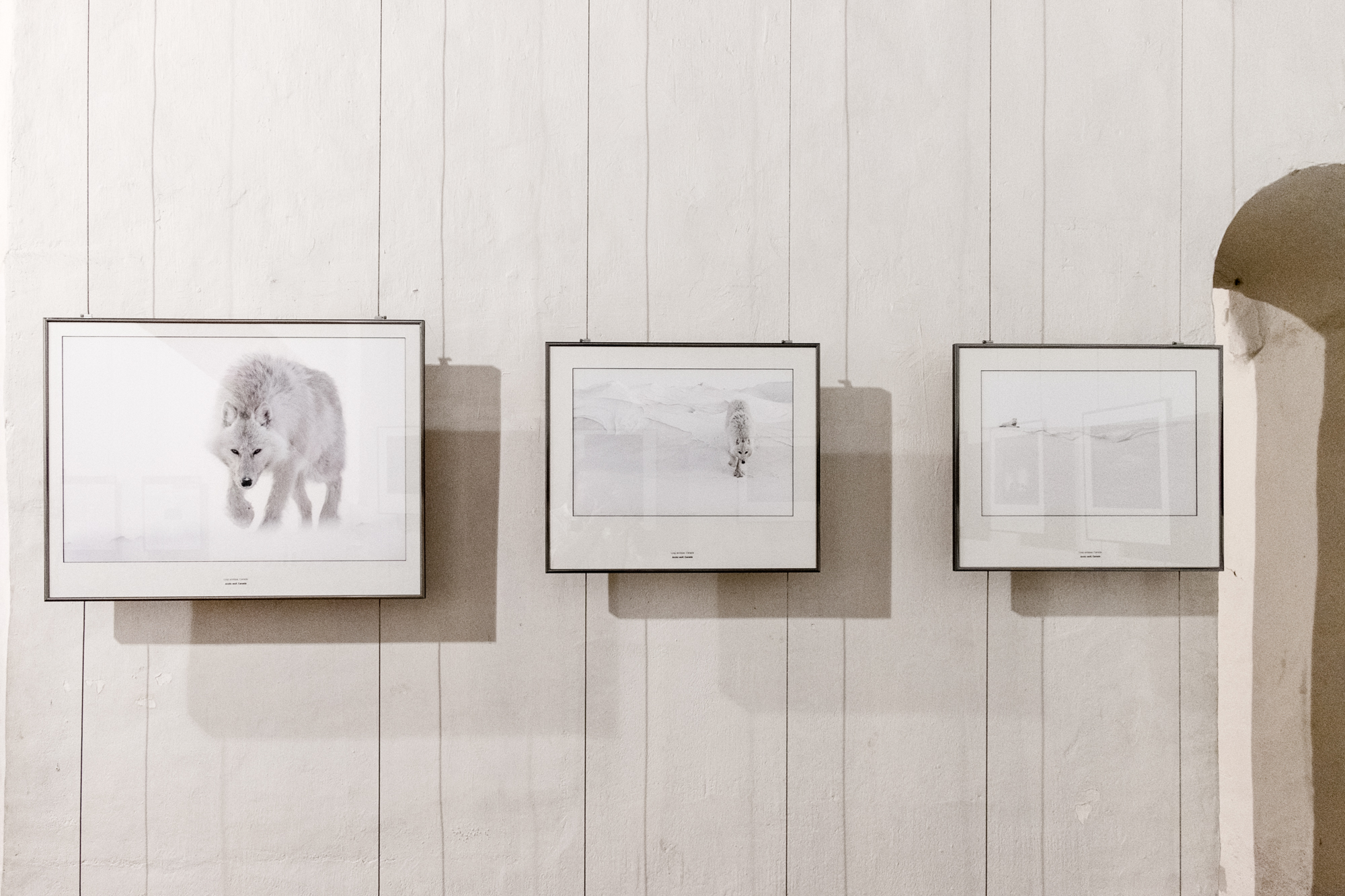
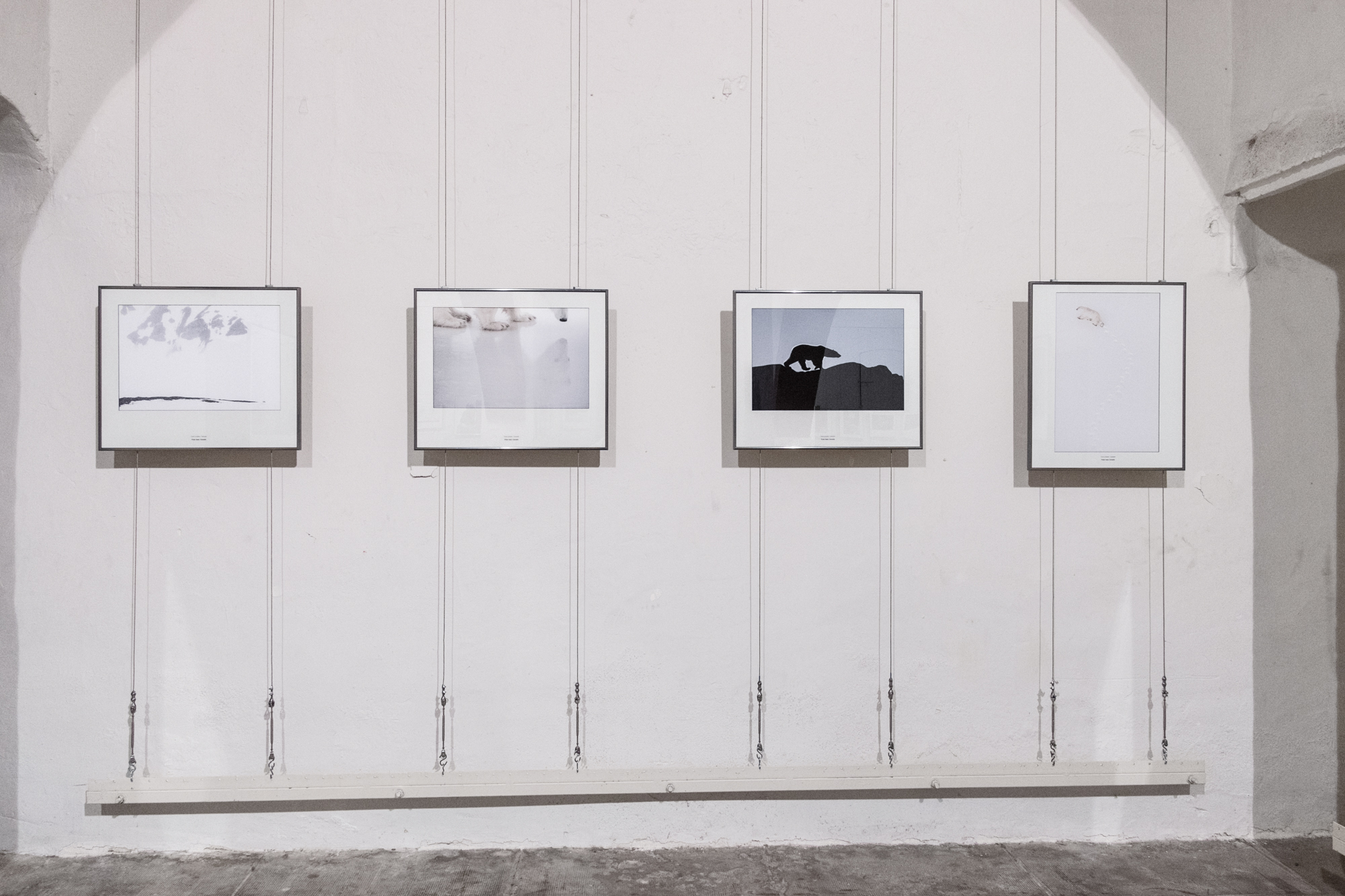
With "Les 3 Pôles" (The Three Poles), Vincent Munier offers us a striking immersion into the heart of these remote regions with extreme conditions, with nearly fifty photographs taken during challenging expeditions, undertaken alone and independently.
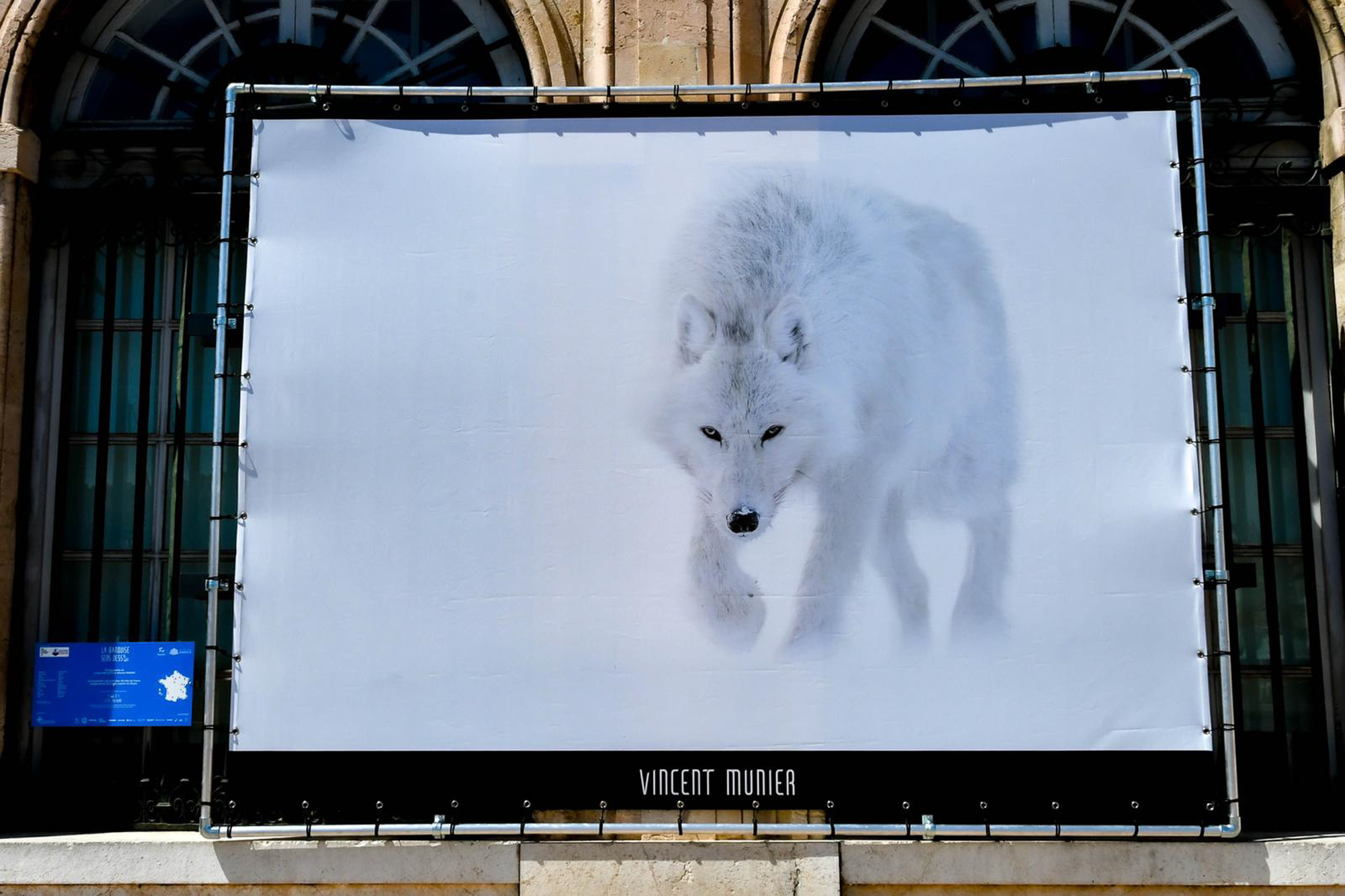
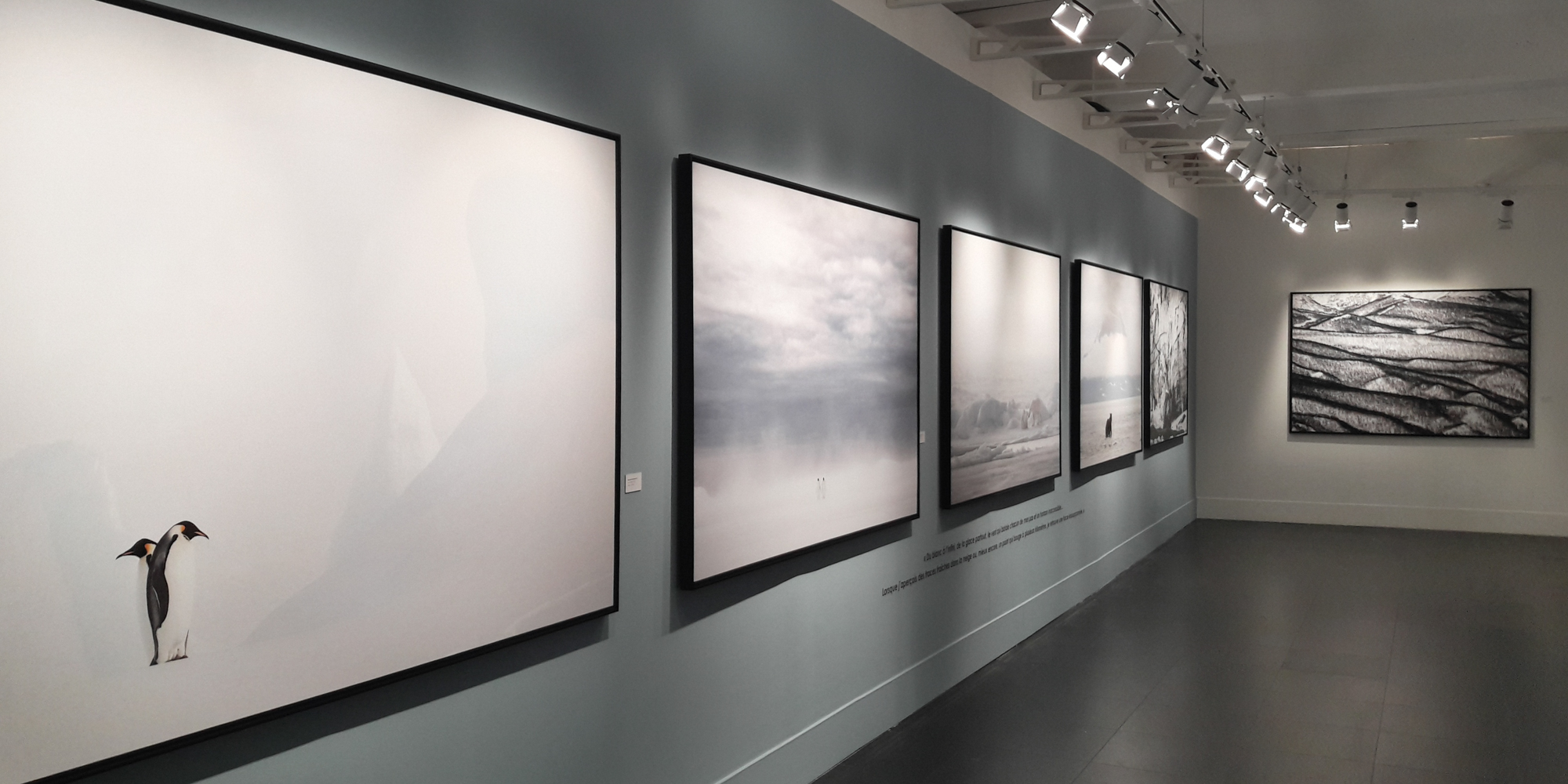
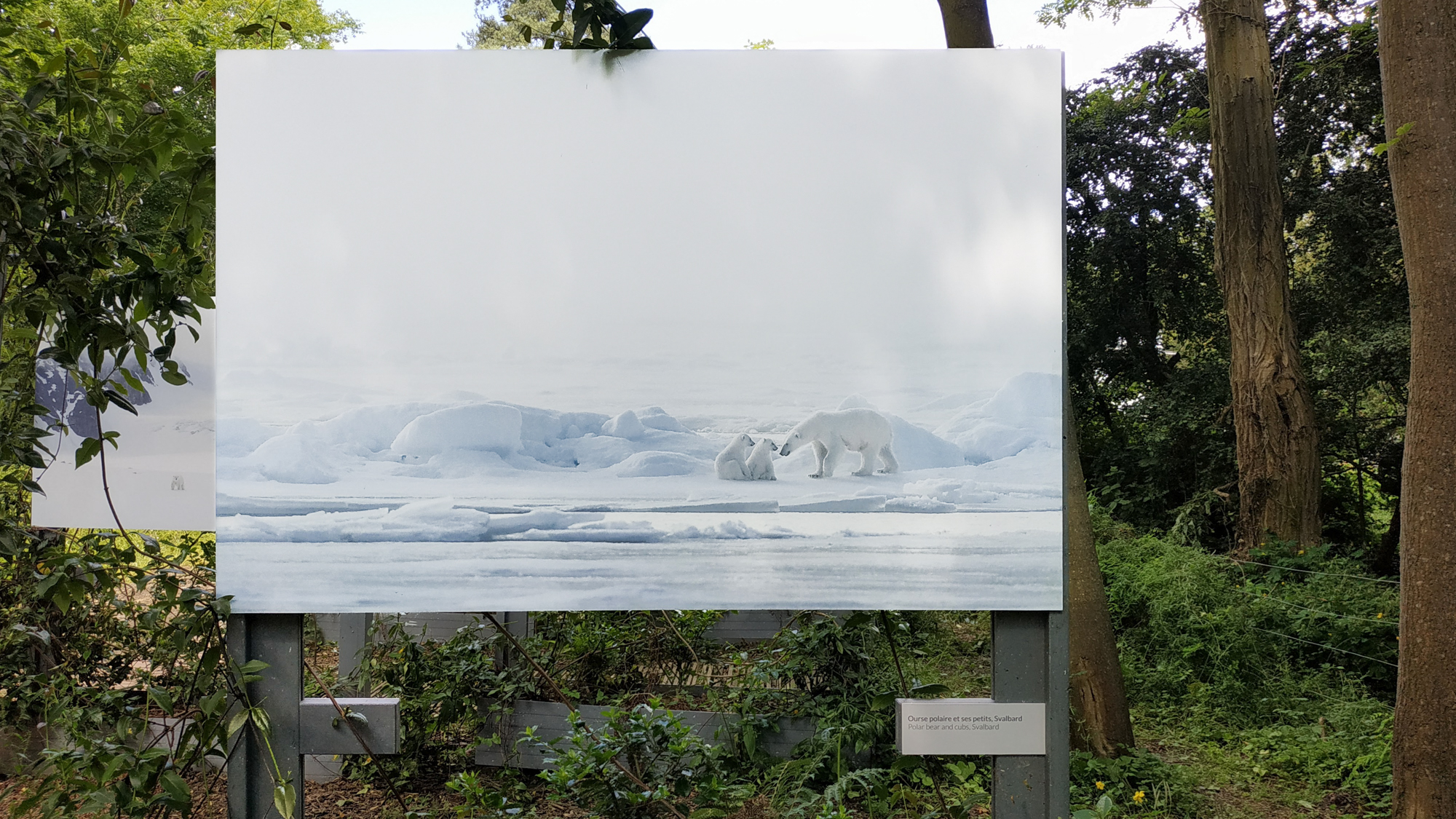
It transports us to the enchanting white landscapes of the Arctic and Antarctic, following the trail of mythical animals such as the Arctic wolf, polar bear, musk ox, and emperor penguin.
In Svalbard, Nunavut, and Adélie Land, Vincent Munier has a gift for photographing animals in all their splendor and nobility.
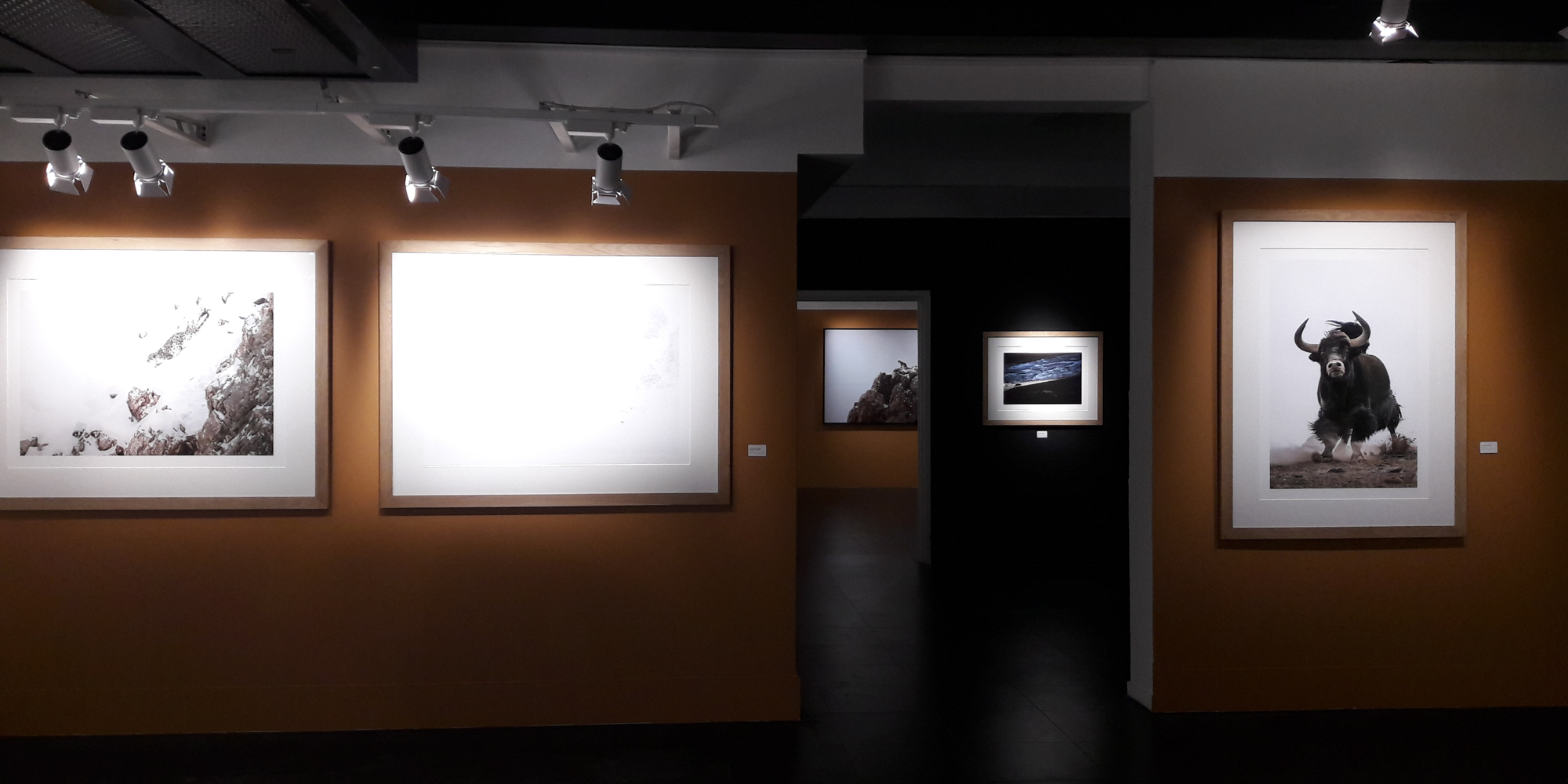
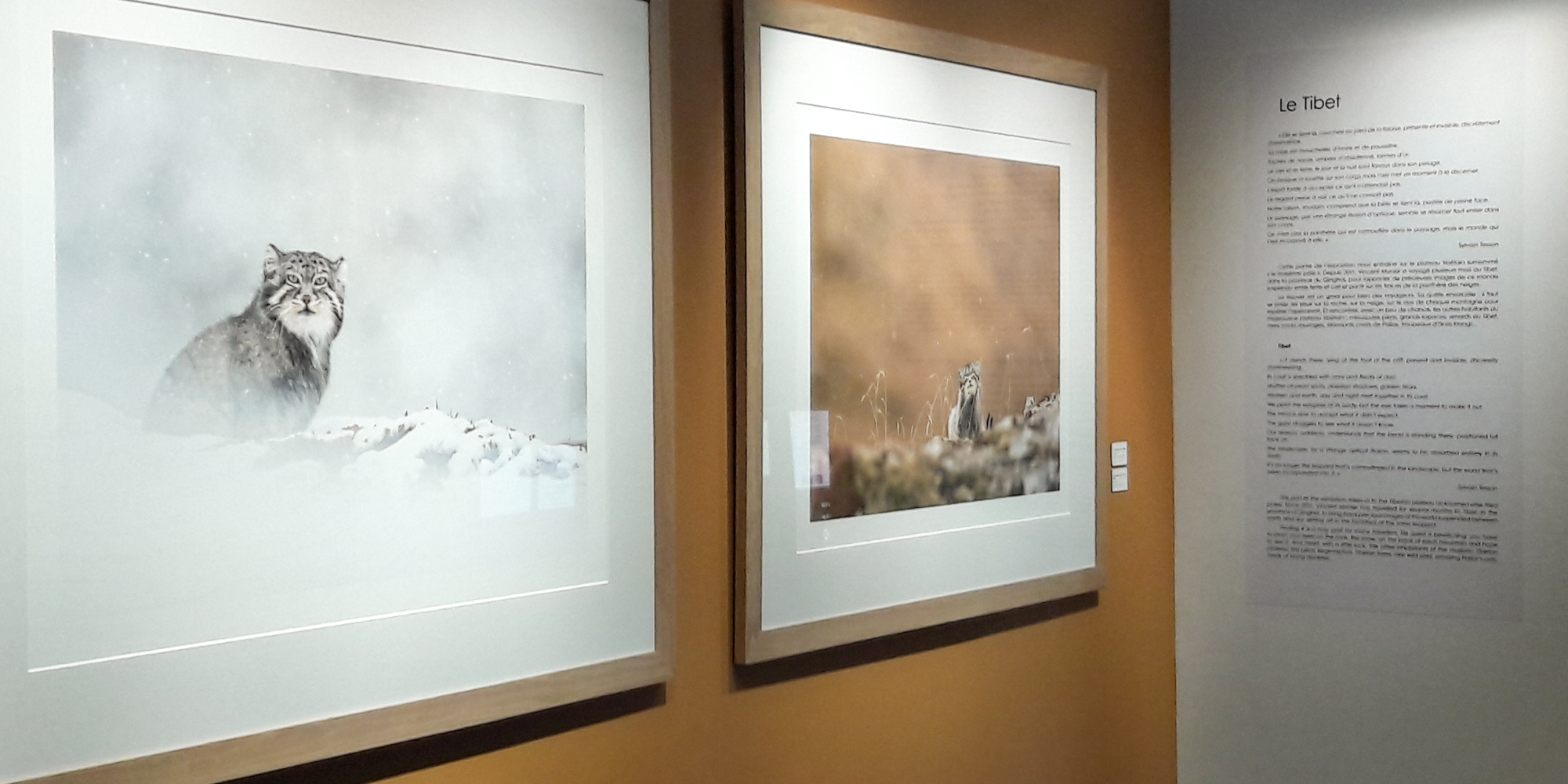
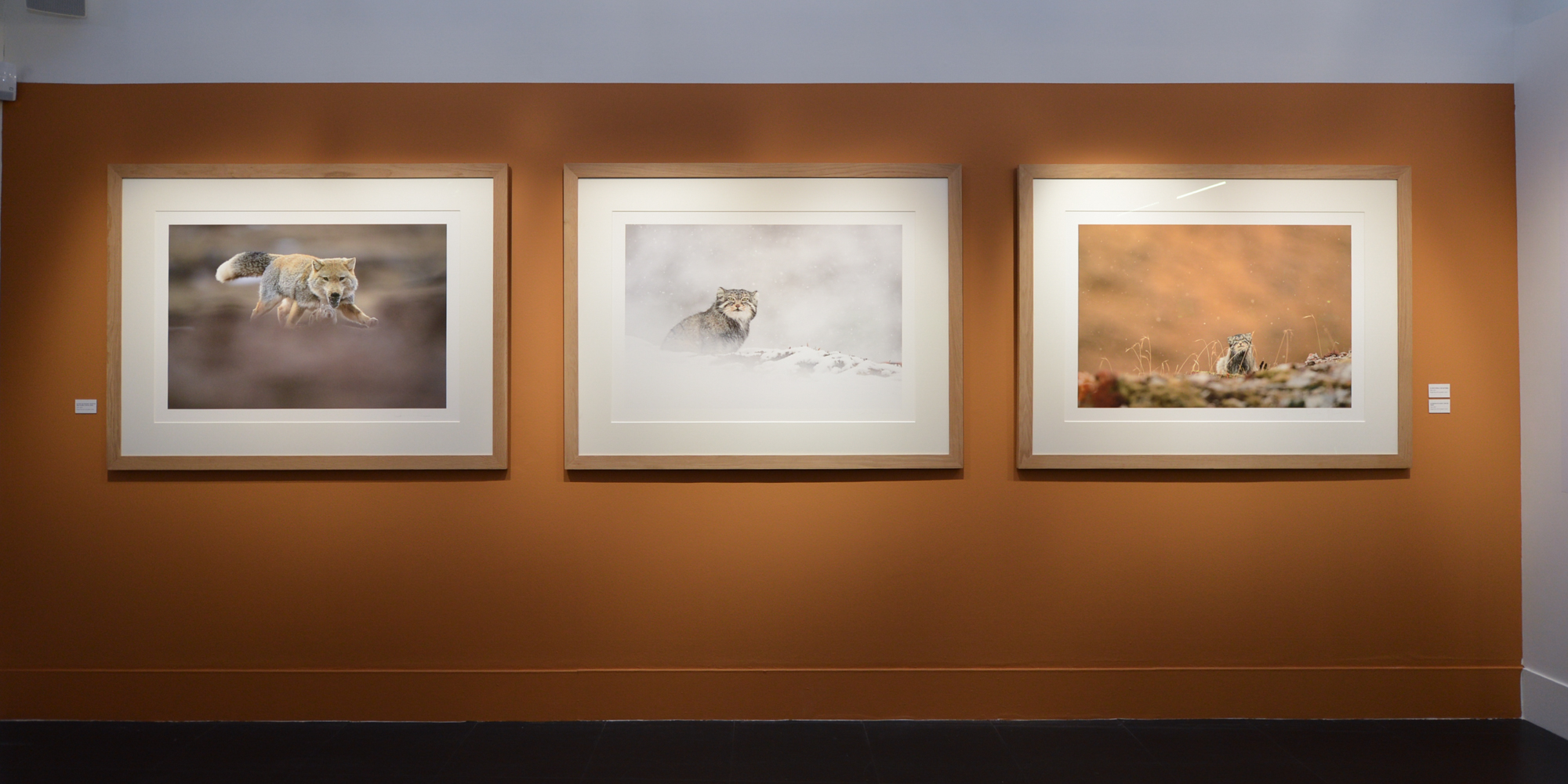
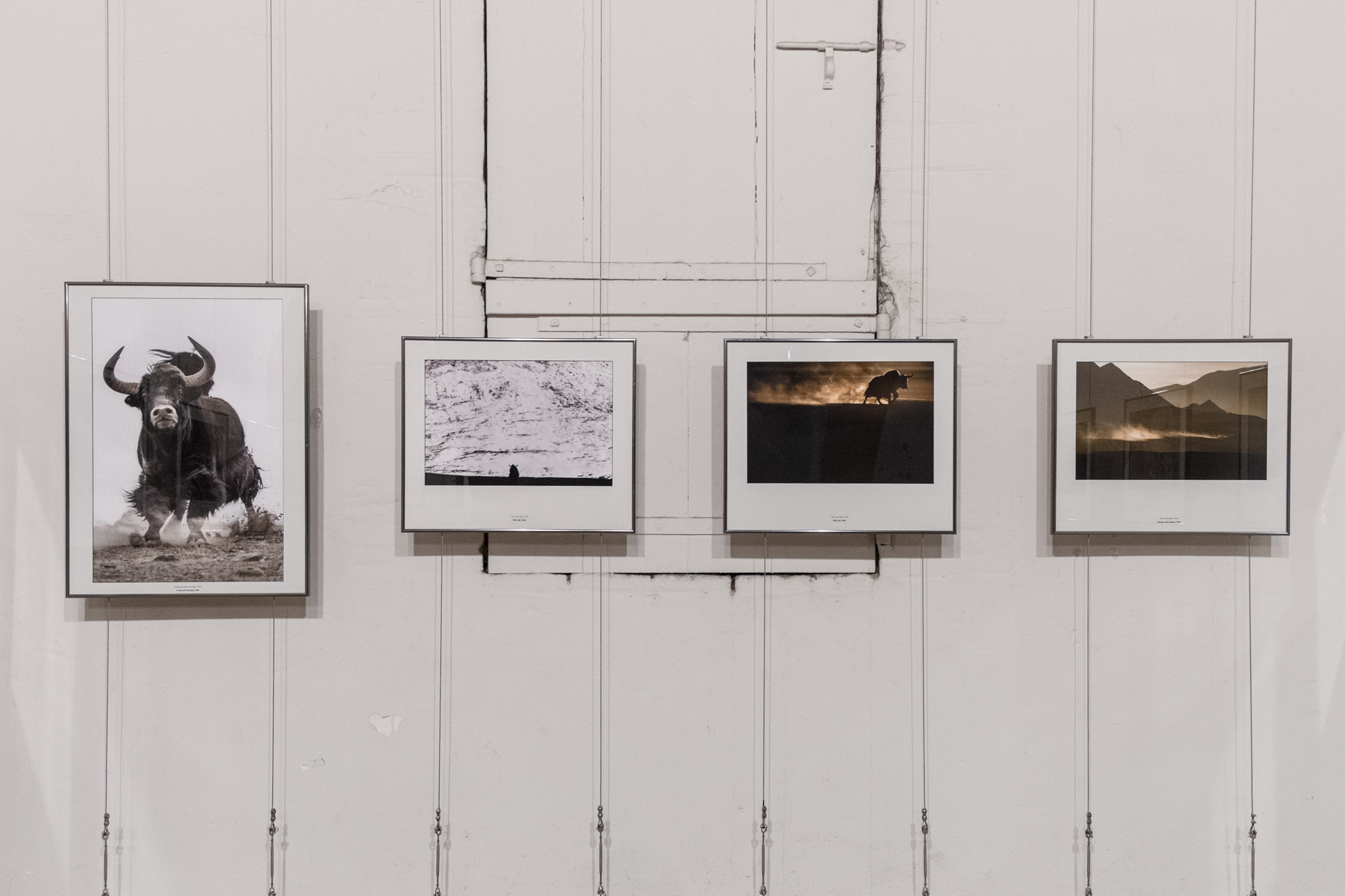
His latest trip took him to the high plateaus of Tibet, which Vincent Munier calls "the third pole."
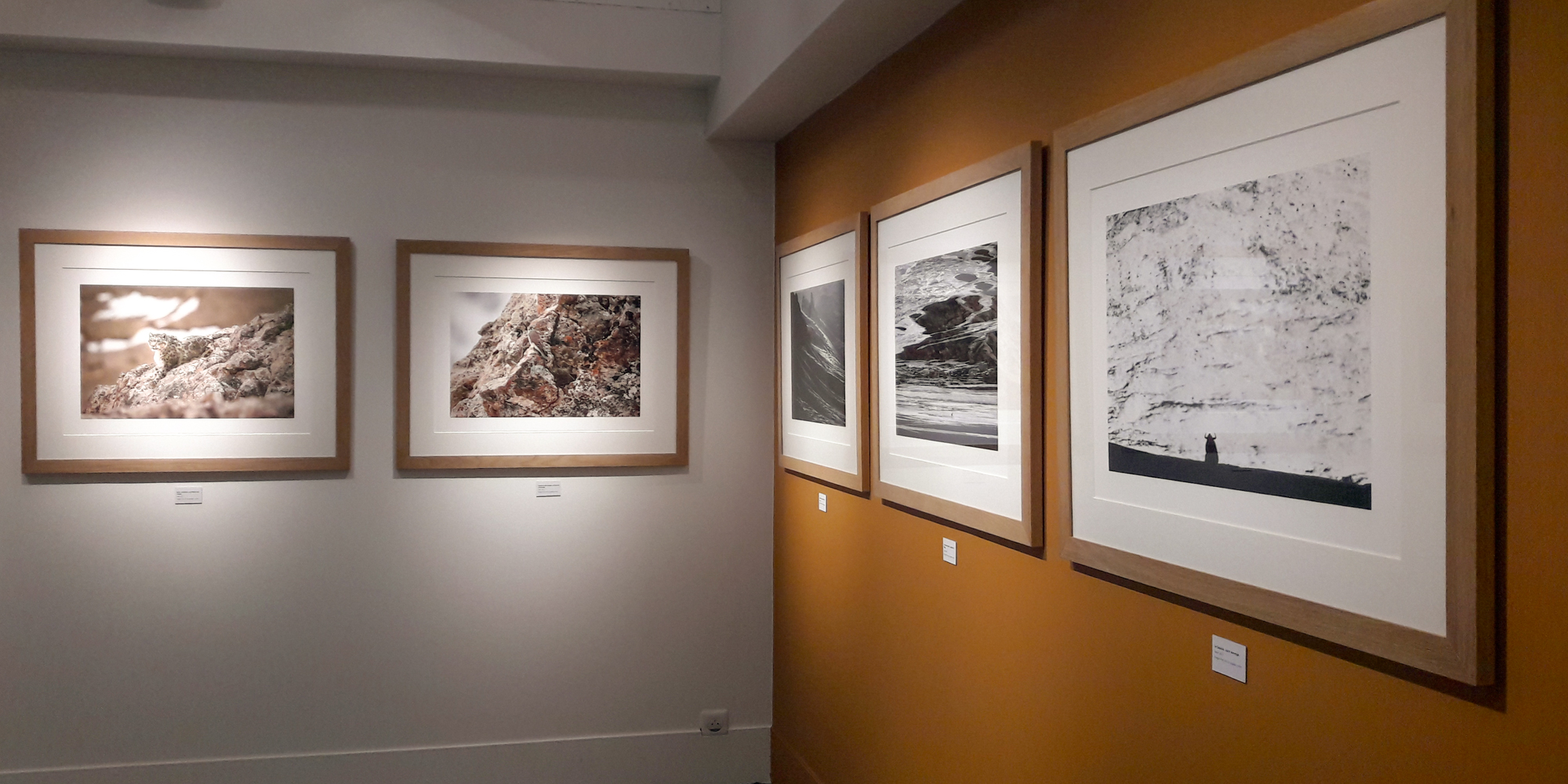
Here, the photographer set out in search of the famous and very rare snow leopard. But the explorer also encountered many other animals along the way, including the Tibetan fox, the Pallas's cat, and herds of wild yaks and kiang donkeys...
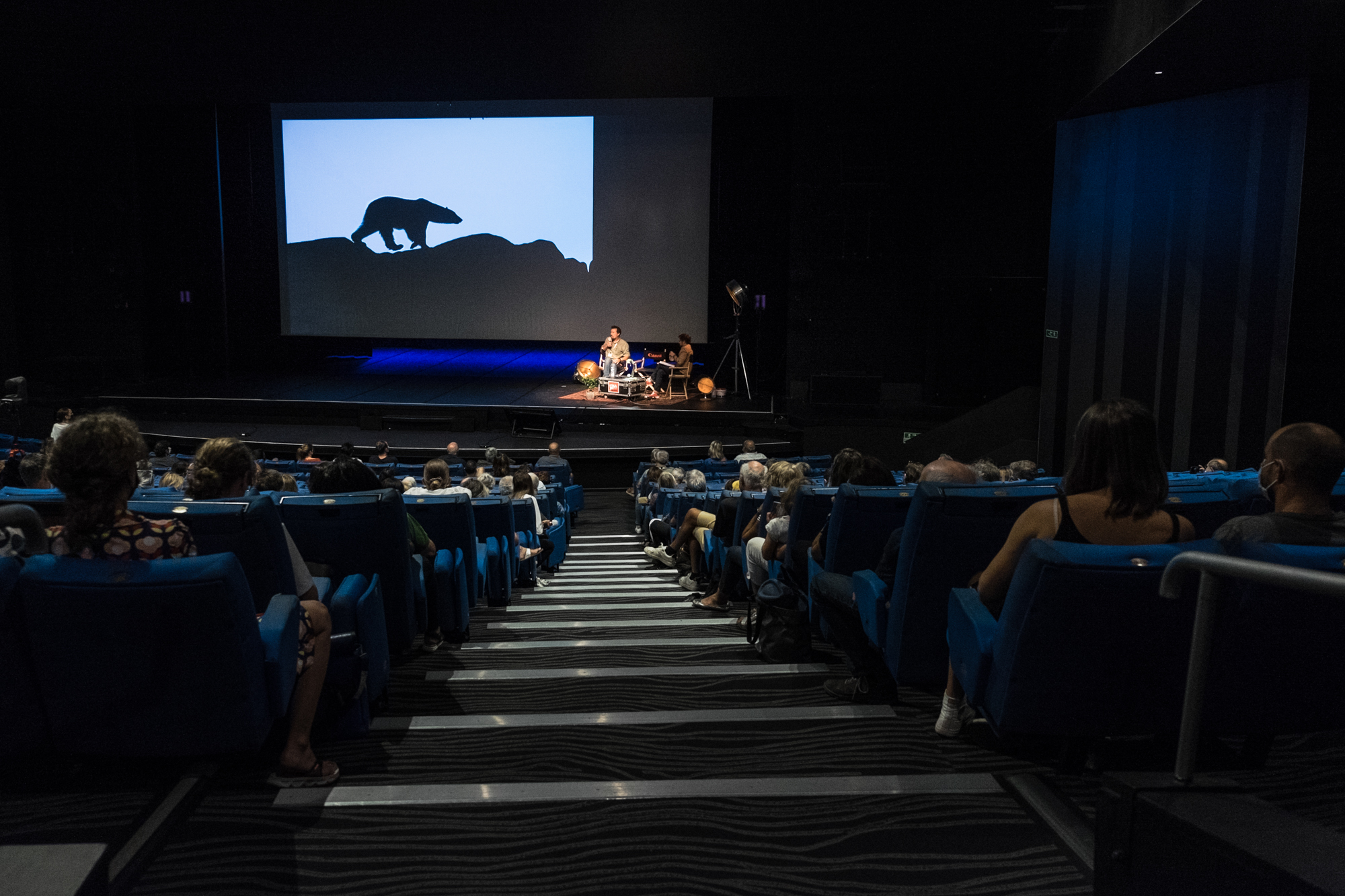
Recounting his latest expedition to Tibet with Sylvain Tesson, to whom he lent his pen as a travel writer,La Panthère des neiges(2021), co-directed with Marie Amiguet, won the César Award for Best Documentary Film in 2022. This film is being screened in the museum for the duration of the exhibition.
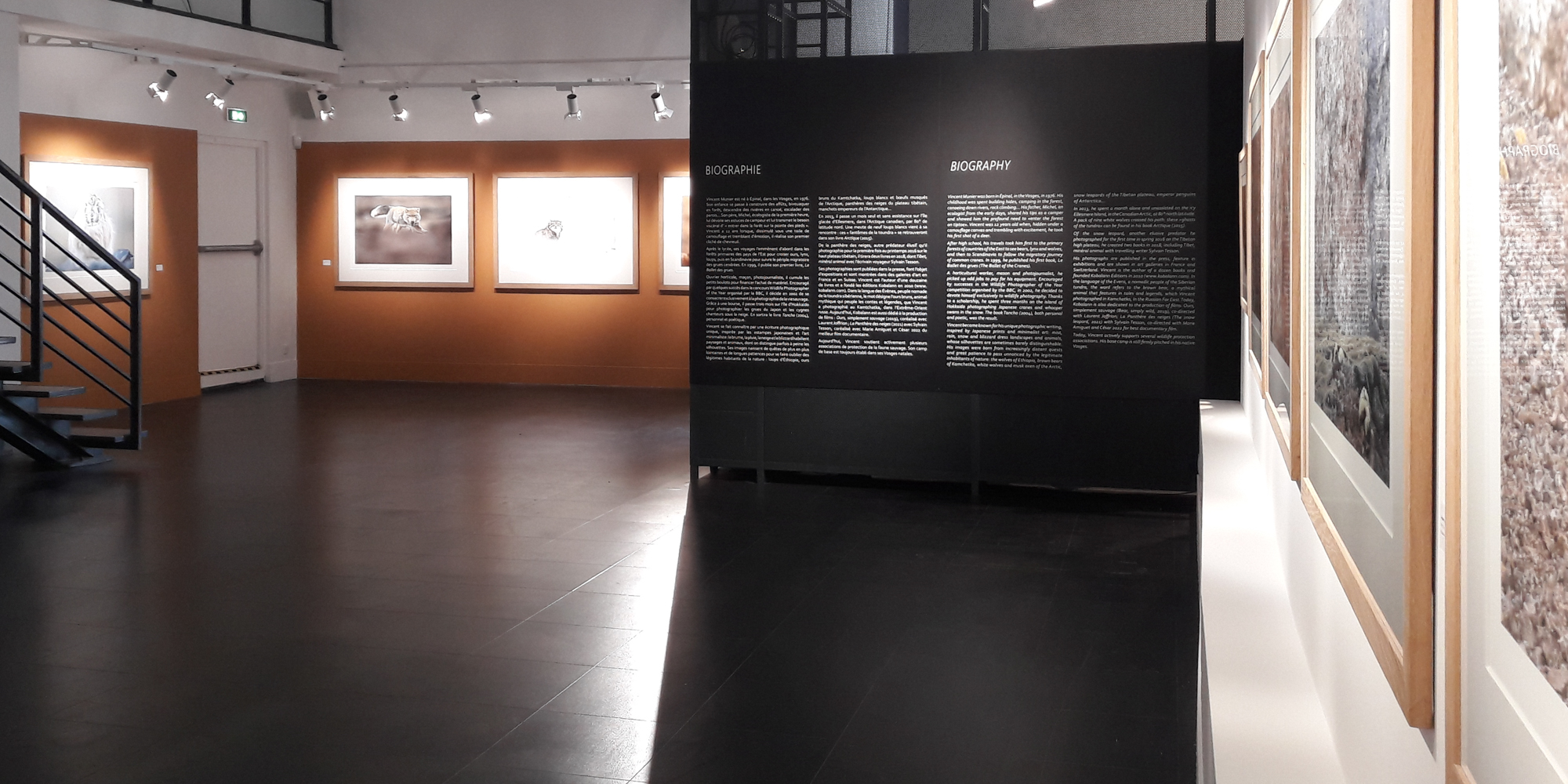
Visa for Image
Through this exhibition, Vincent Munier invites visitors to Visa pour l’Image to spread their wings and embark on a poetic journey that is entirely natural, without geographical boundaries, with the beauty of the wild world as their horizon.
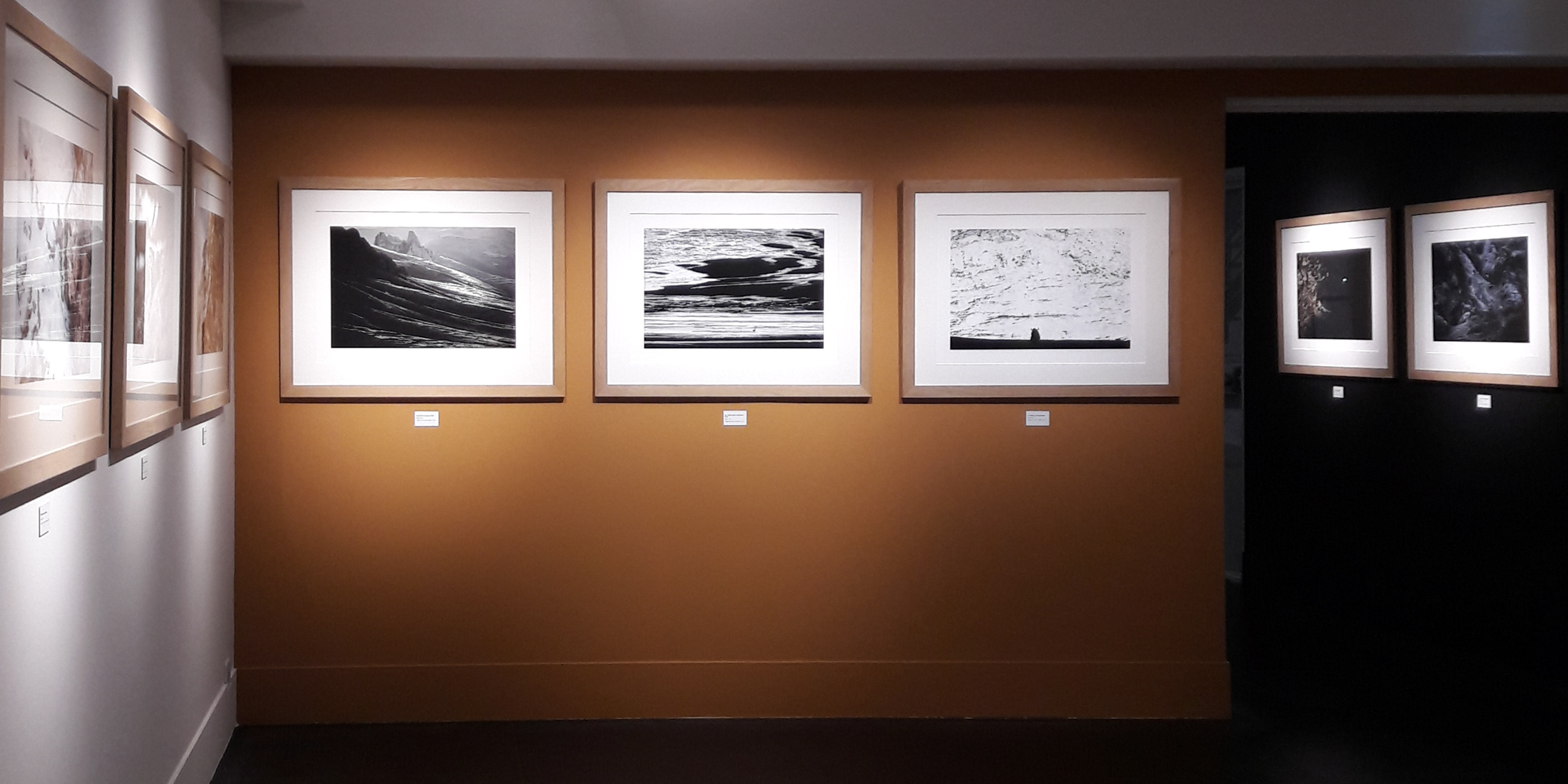
A journey in search of light, first and foremost: the subtle light of dawn and dusk; the blinding light of snow; the soft light of mist; the light of moonlight, which lingers even in the darkest night. A journey in search of encounters, of course: a wild bestiary is on display here, from the tiny ant to the great deer, from the modest sparrow to the snow leopard, from the invisible Arctic hare to the polar bear.
Encounters with birds are often fleeting—the time it takes to ruffle their feathers... and they've already flown away. Larger species give photographers more time to think about their framing, as they strike a pose: Japanese cranes courting in the snow, emperor penguins huddled together in colonies to withstand the blizzard, snowy owls hunting in the vast white expanses.
To encounter large land mammals (brown bears, polar bears, African lions, Arctic wolves, etc.), the approach is different: the photographer acquires a detailed knowledge of the environments and territories in which they live and becomes a tracker. They must read the more or less faint traces left by the animals' repeated passages, identify their hunting, mating, and resting places, in order to choose the best observation point for setting up their hide, or simply lie down flat on the ground, under a camouflage net, behind a rock, or under vegetation cover. Blending into the background, masking his scent, making as little noise as possible; it is a solitary activity, and the magic works much more easily if the photographer is alone in the field, with all his senses alert.
Regardless of the continent, regardless of the landscape explored, whether it is close by or far away, Vincent Munier's motivations remain the same: to experience and relive the hope of having chosen "the right place, the right moment," the thrill of anticipation, and the wonder when the beast appears.
Does showing the beauty of the world still make sense today, at a time when every layer of our environment is being degraded, when almost every object in our daily lives masks an ecological disaster?
Vincent Munier has been asking himself this question for many years and sincerely puts it to the Visa pour l’Image audience and his fellow photojournalists. Celebrating the beauty of nature or bearing witness to the damage done to it: both approaches undoubtedly have their place and reflect a commitment that can be equally profound and lucid.
Each of us needs to be surrounded by beauty in our lives. And our sense of wonder, coupled with greater knowledge and education about the environment, undoubtedly leads to a desire to protect it. "Be content with the world, fight to preserve it," writes Sylvain Tesson. In this struggle, human humility and responsibility towards the rest of the living world should carry equal weight and go hand in hand.
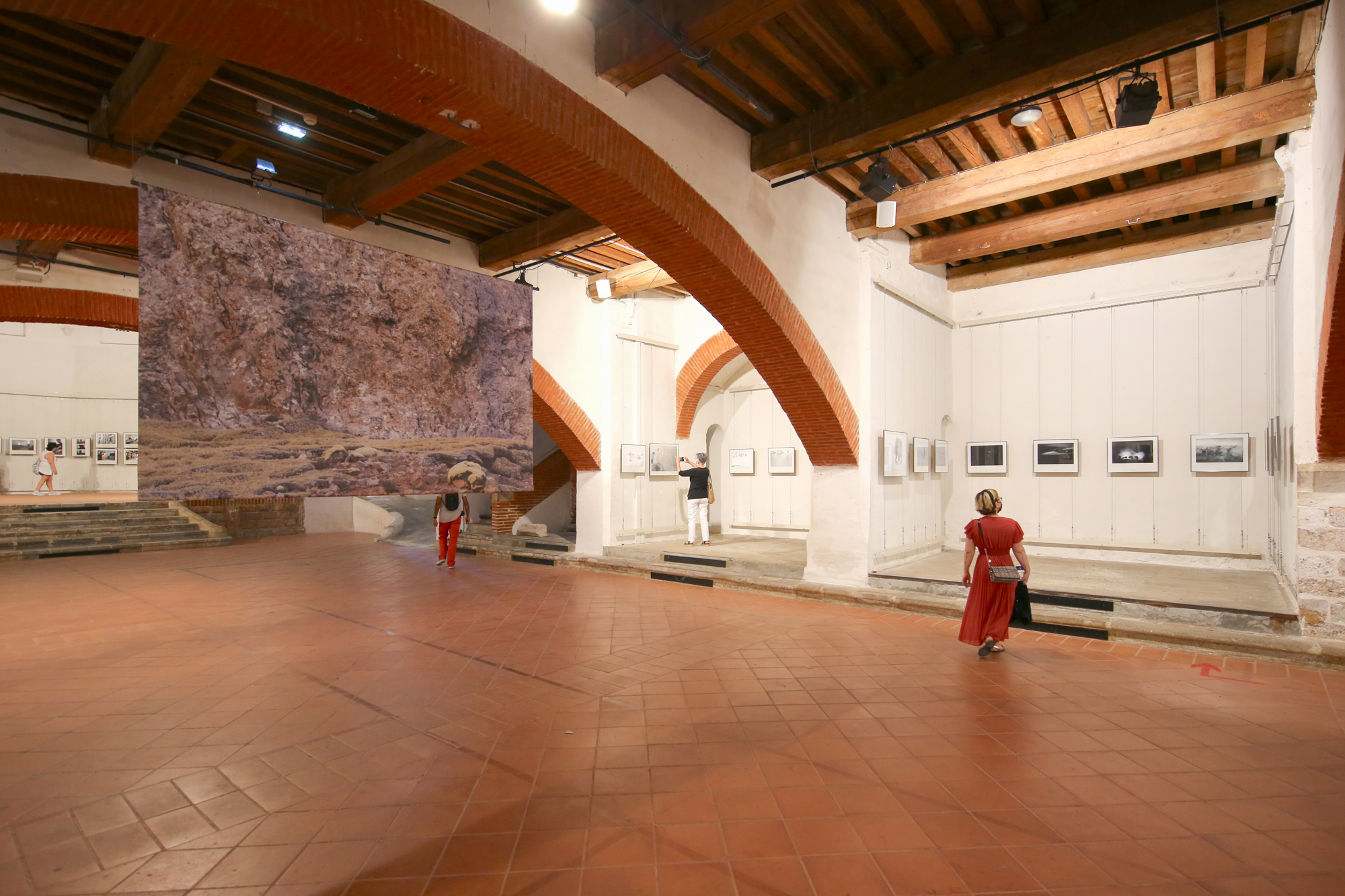
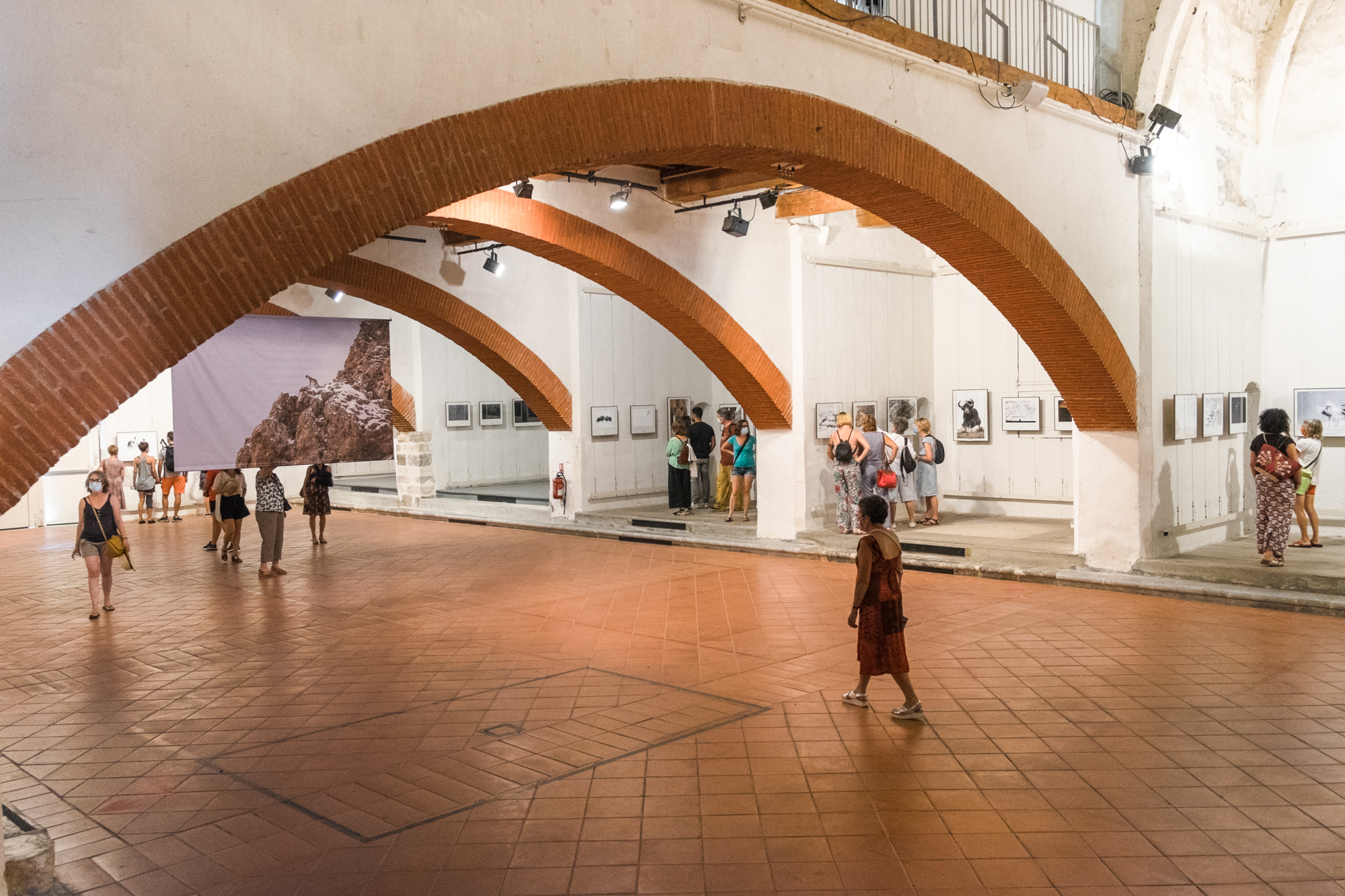
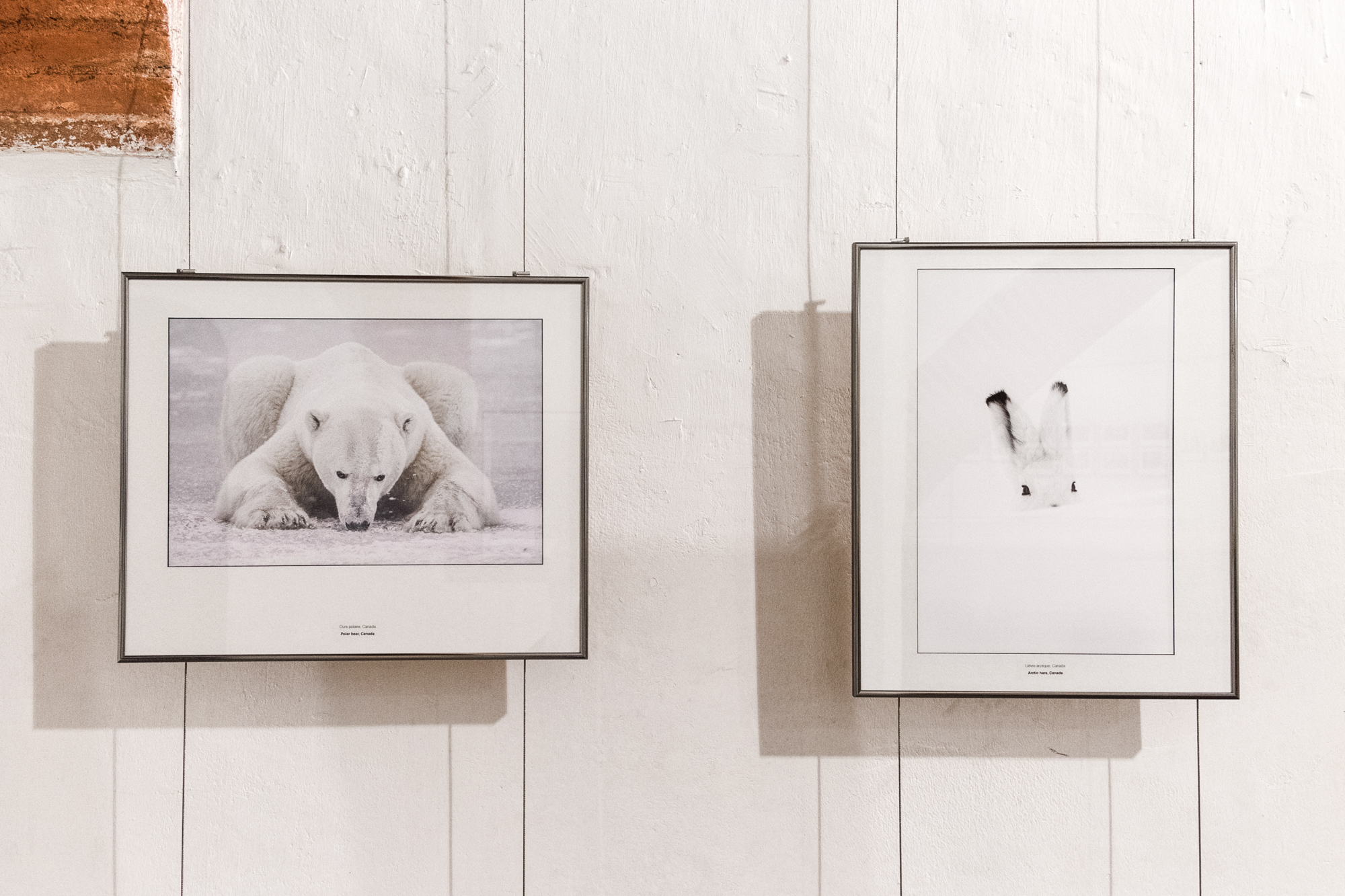
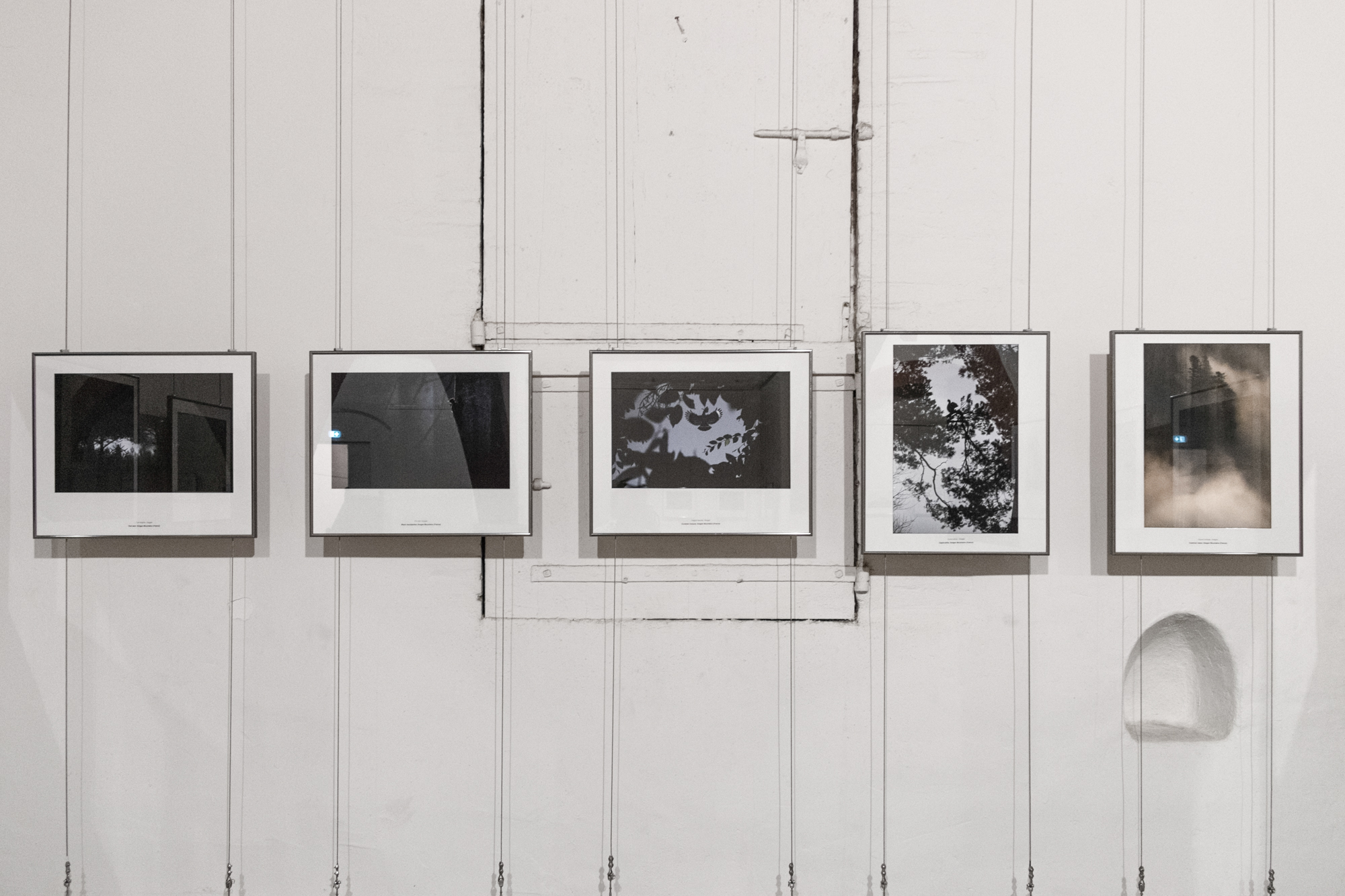
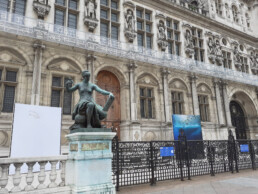
The polar summer
In 2021, France hosted the consultative meeting of the Antarctic Treaty, signed in 1959, alongside a cultural and scientific season open to the general public throughout the polar summer.
As the planet inexorably warms, sea ice, permafrost, glaciers, and ice caps melt dramatically, and sea levels continue to rise, our fascination with the poles, both north and south, continues to grow. So does our concern, as the Arctic, Antarctic, and Subantarctic sound the climate alarm.
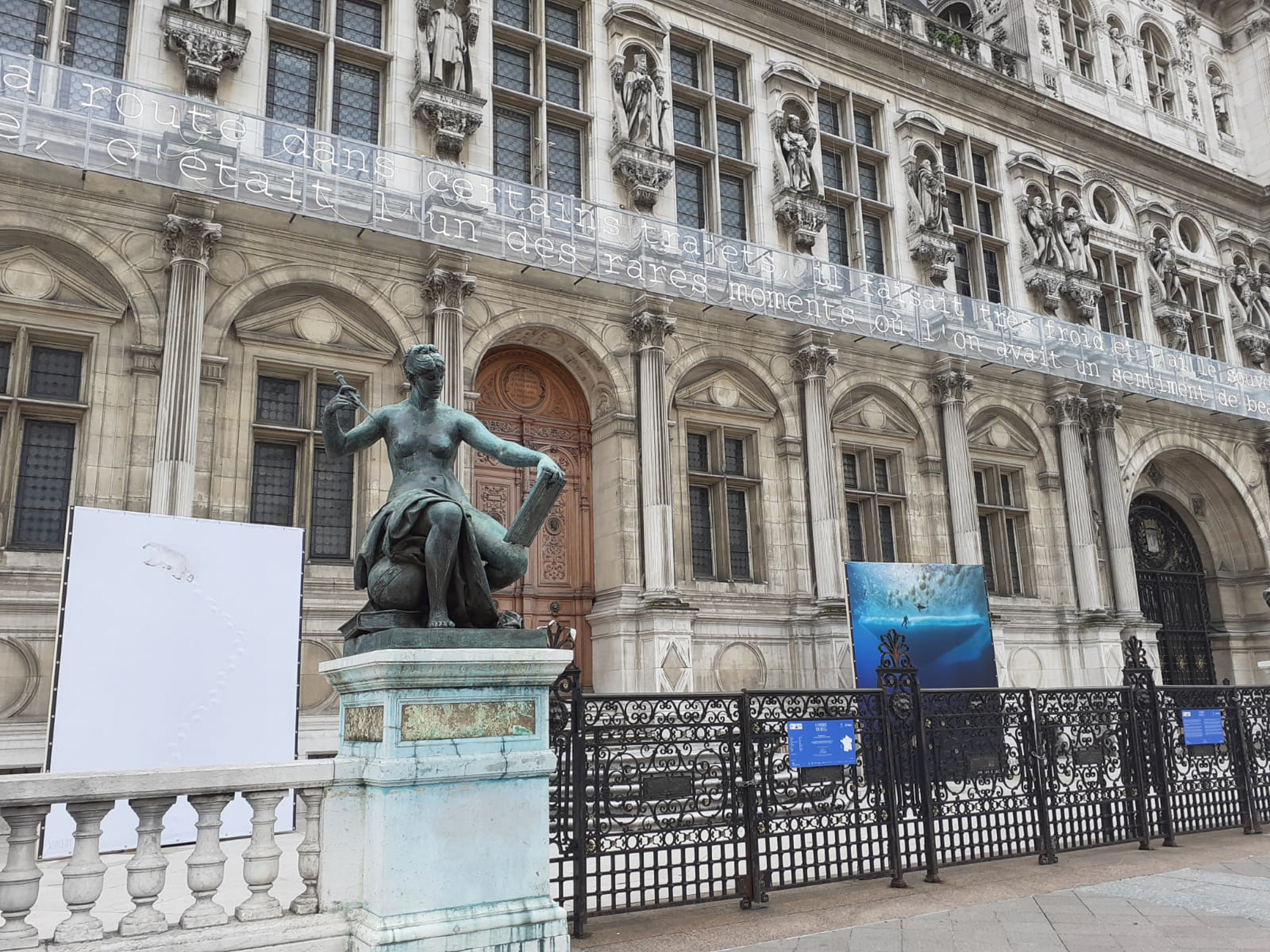
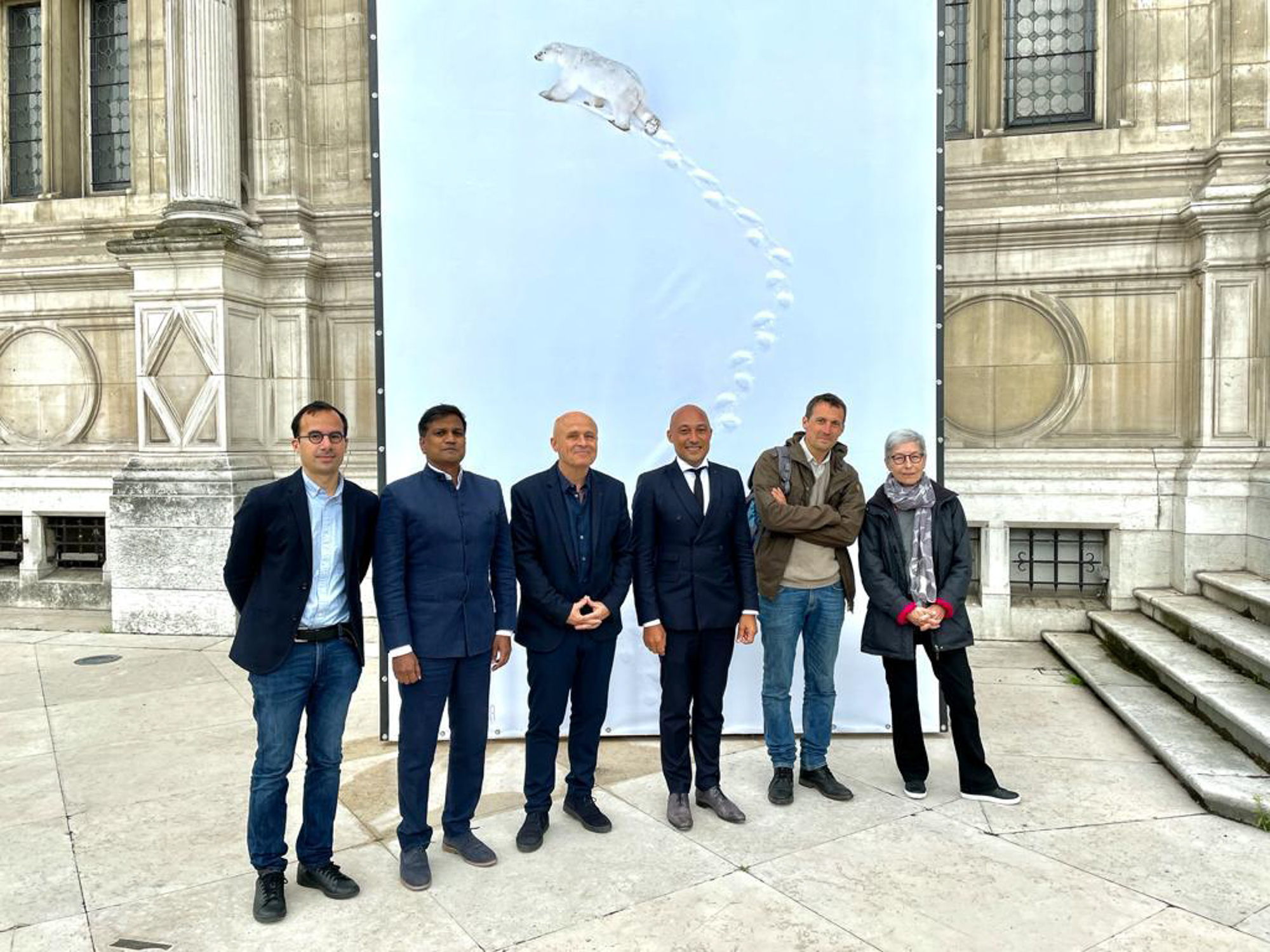
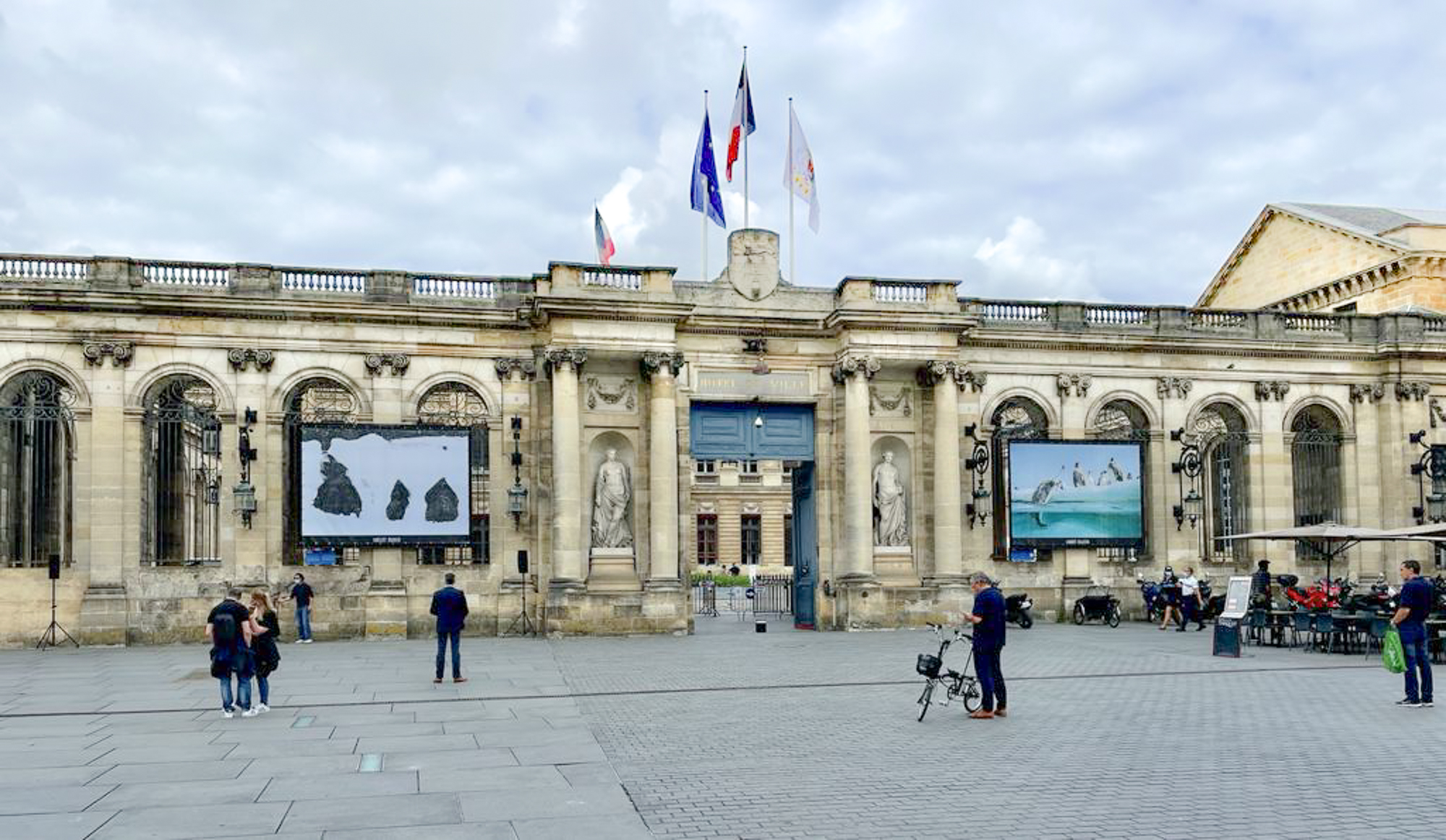
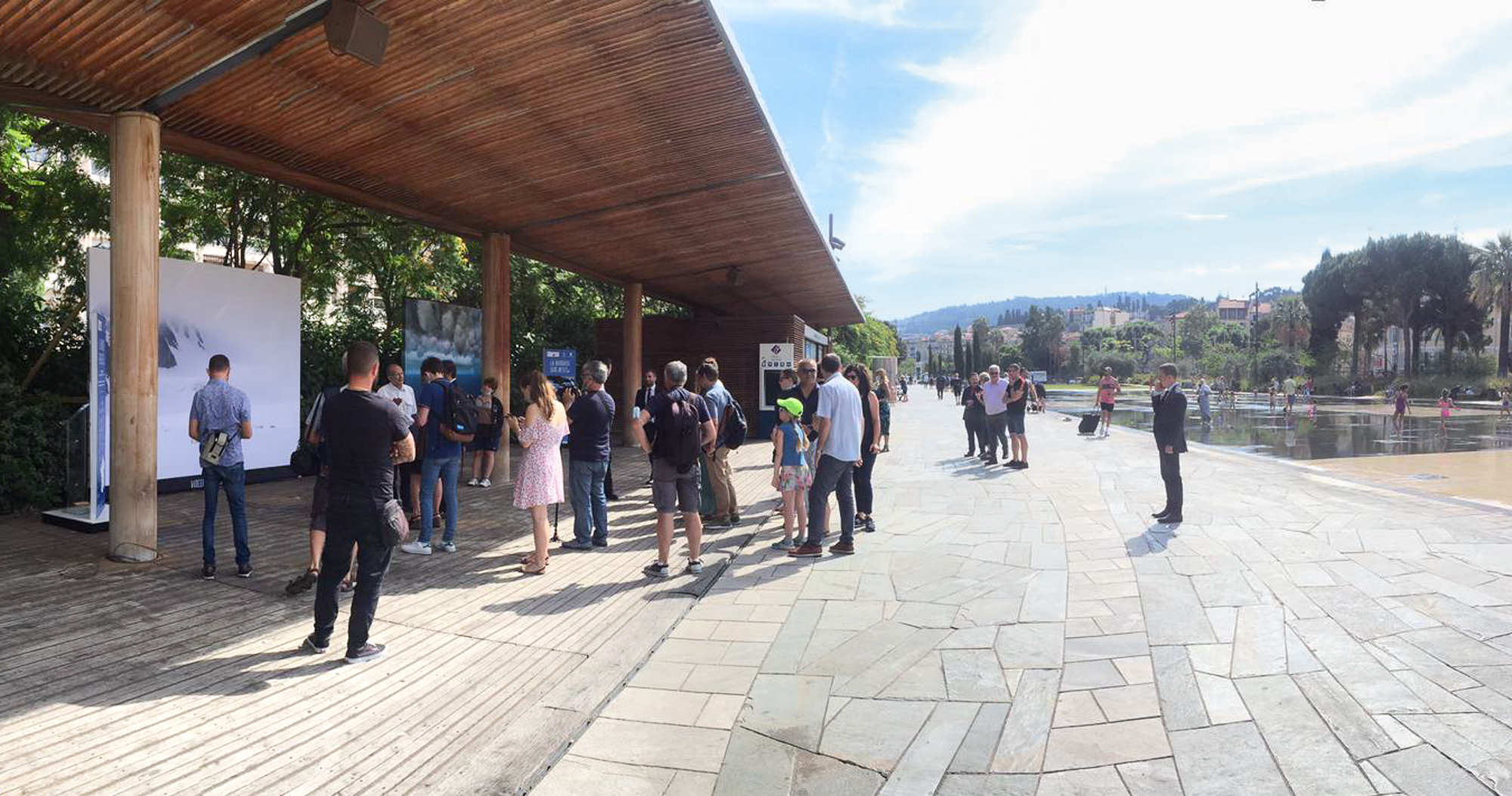
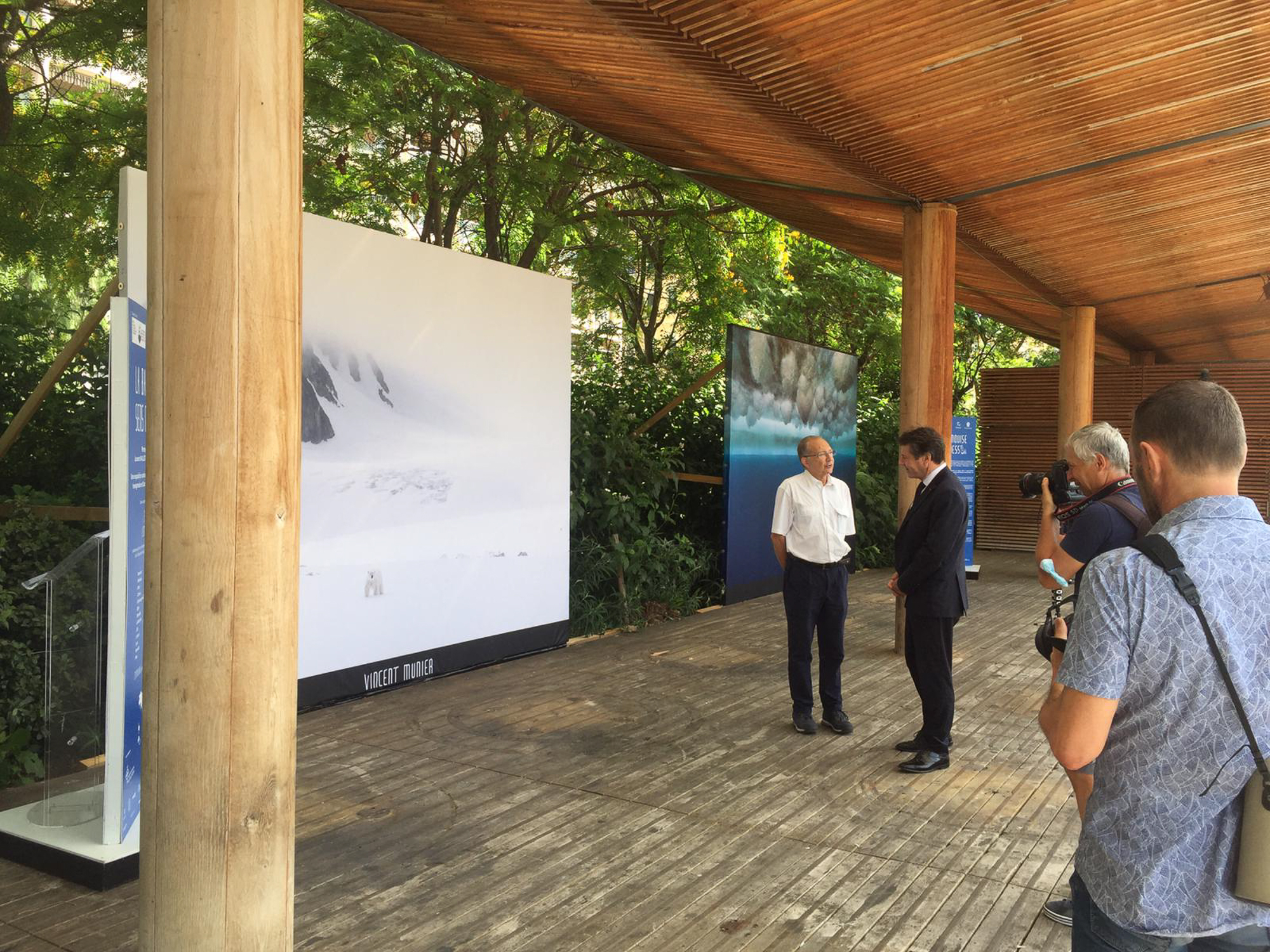
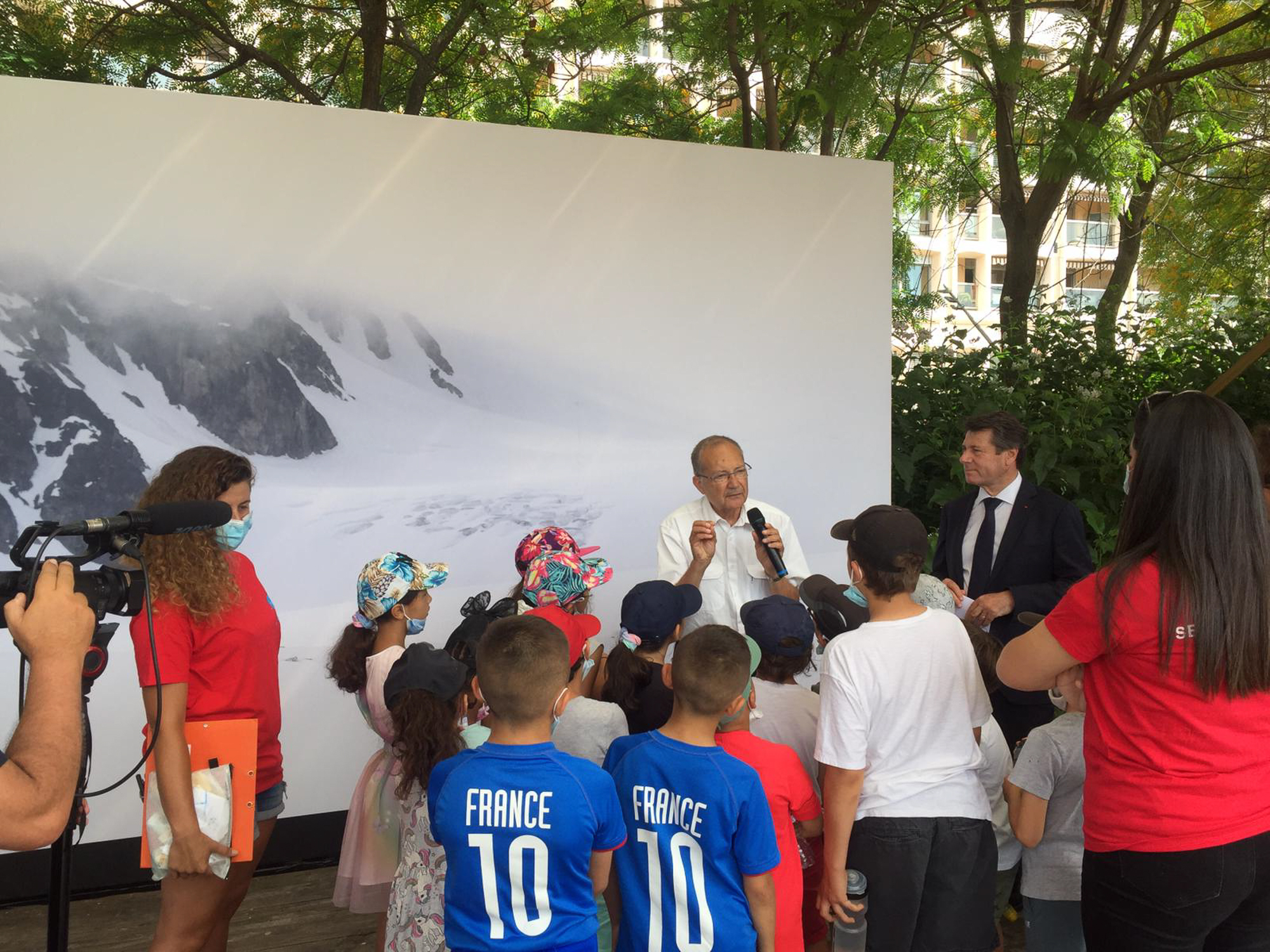
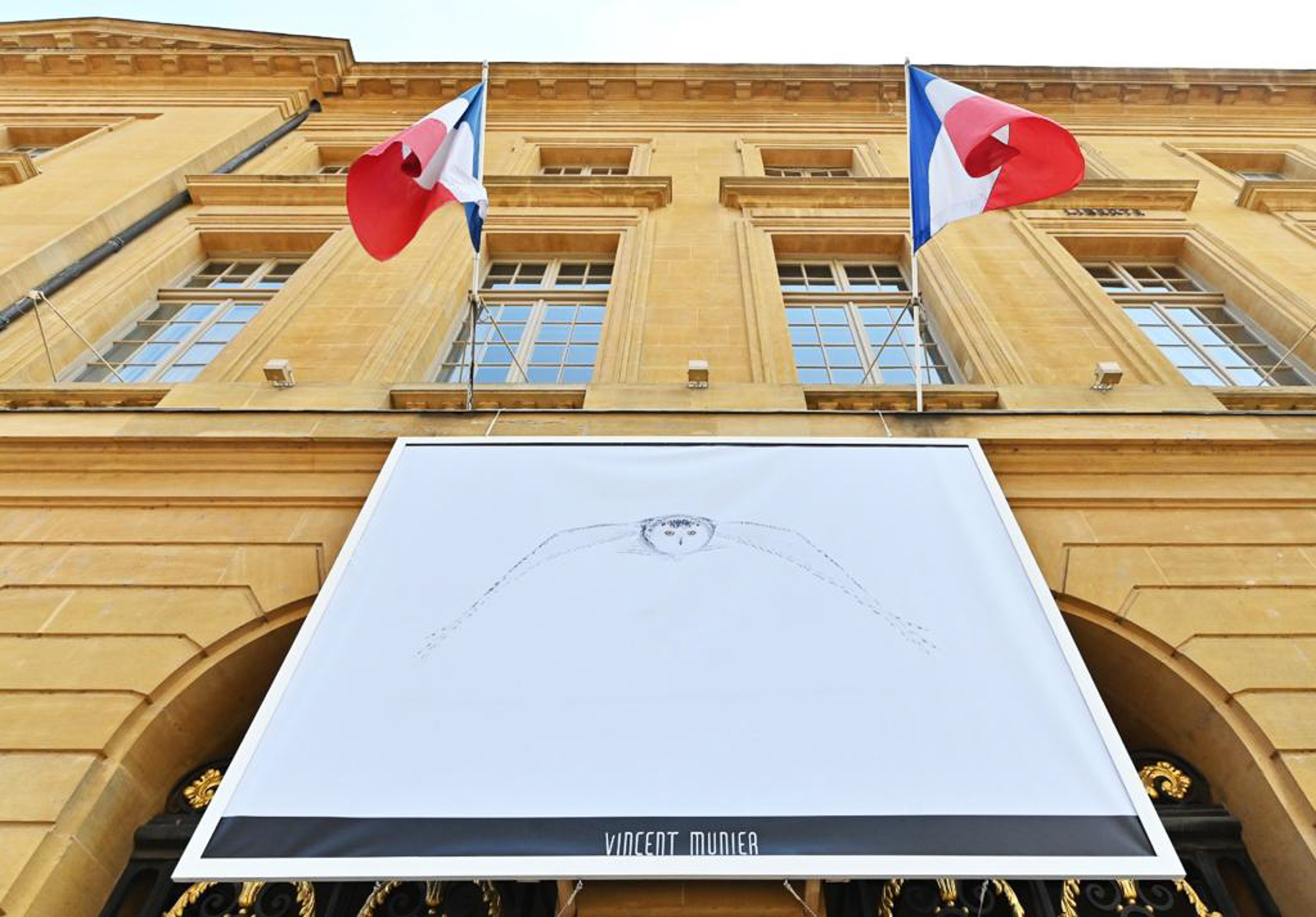
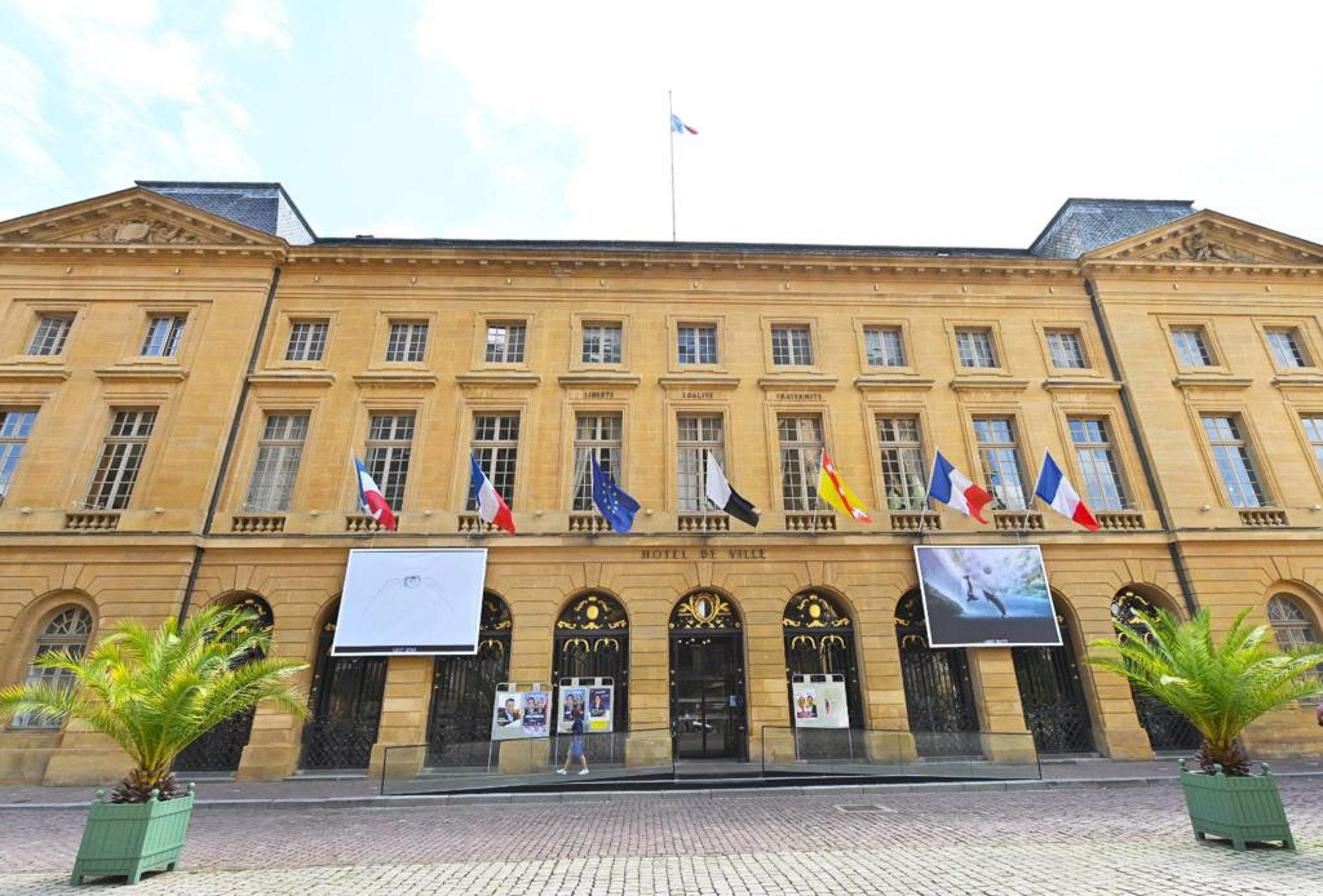
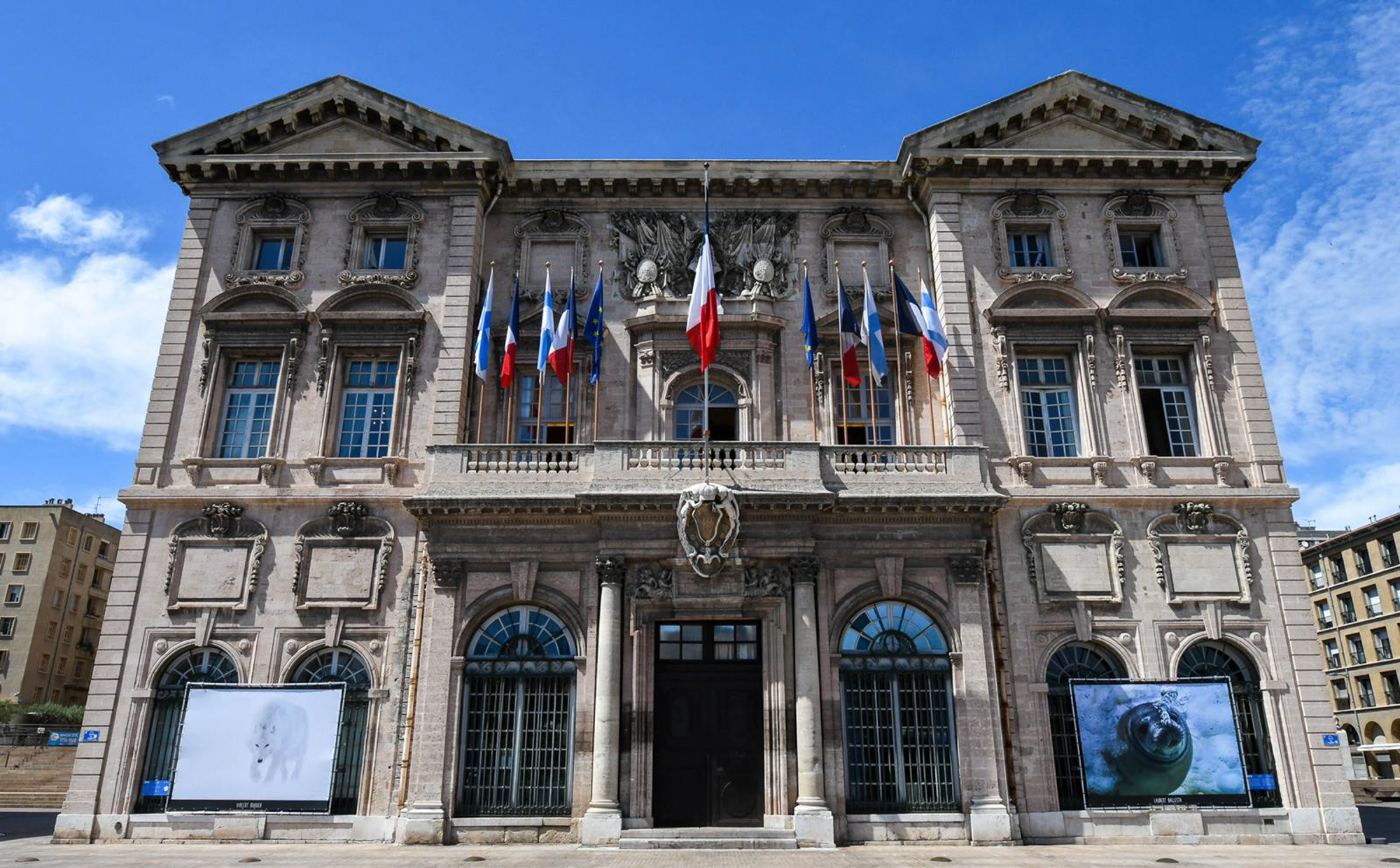
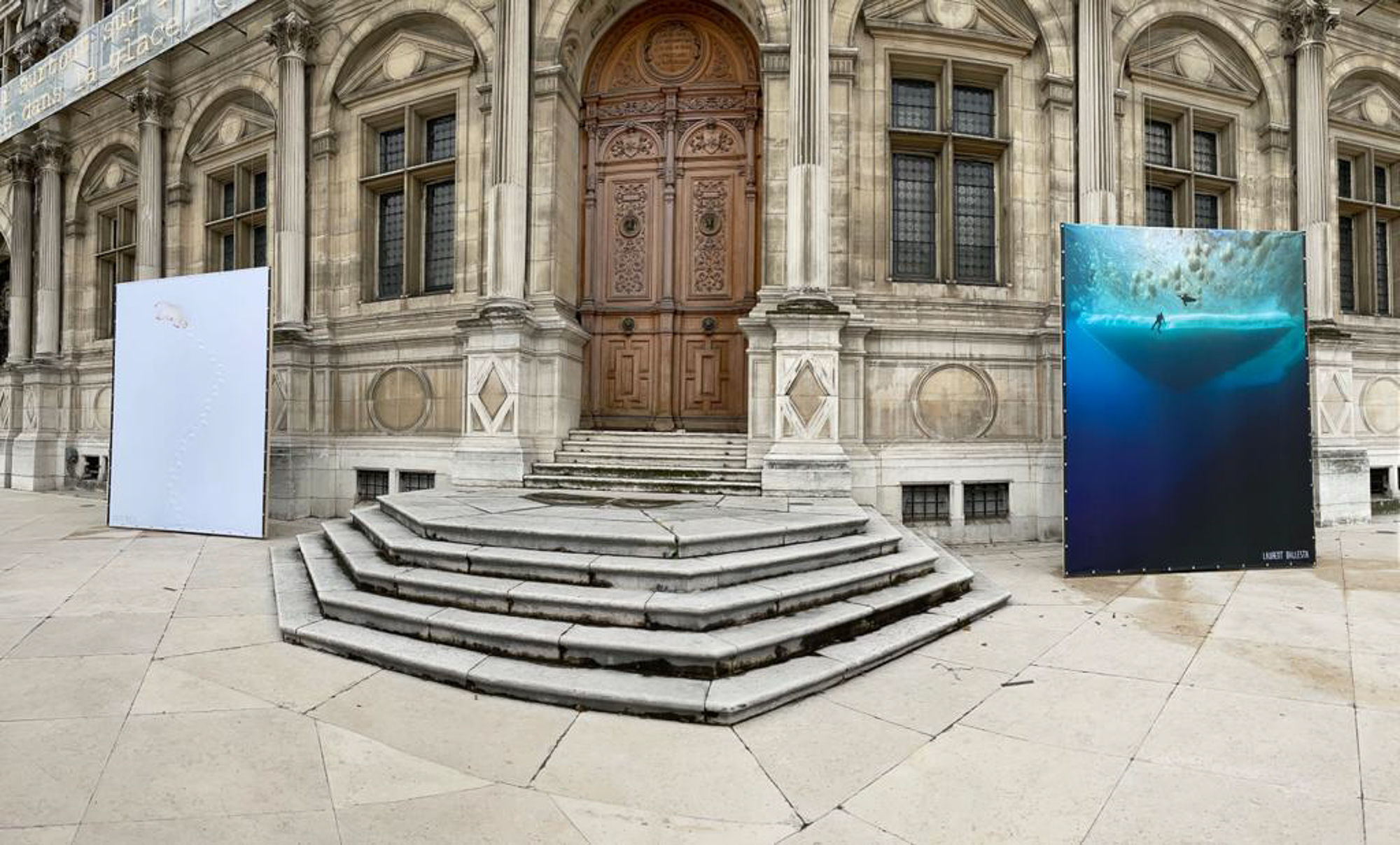
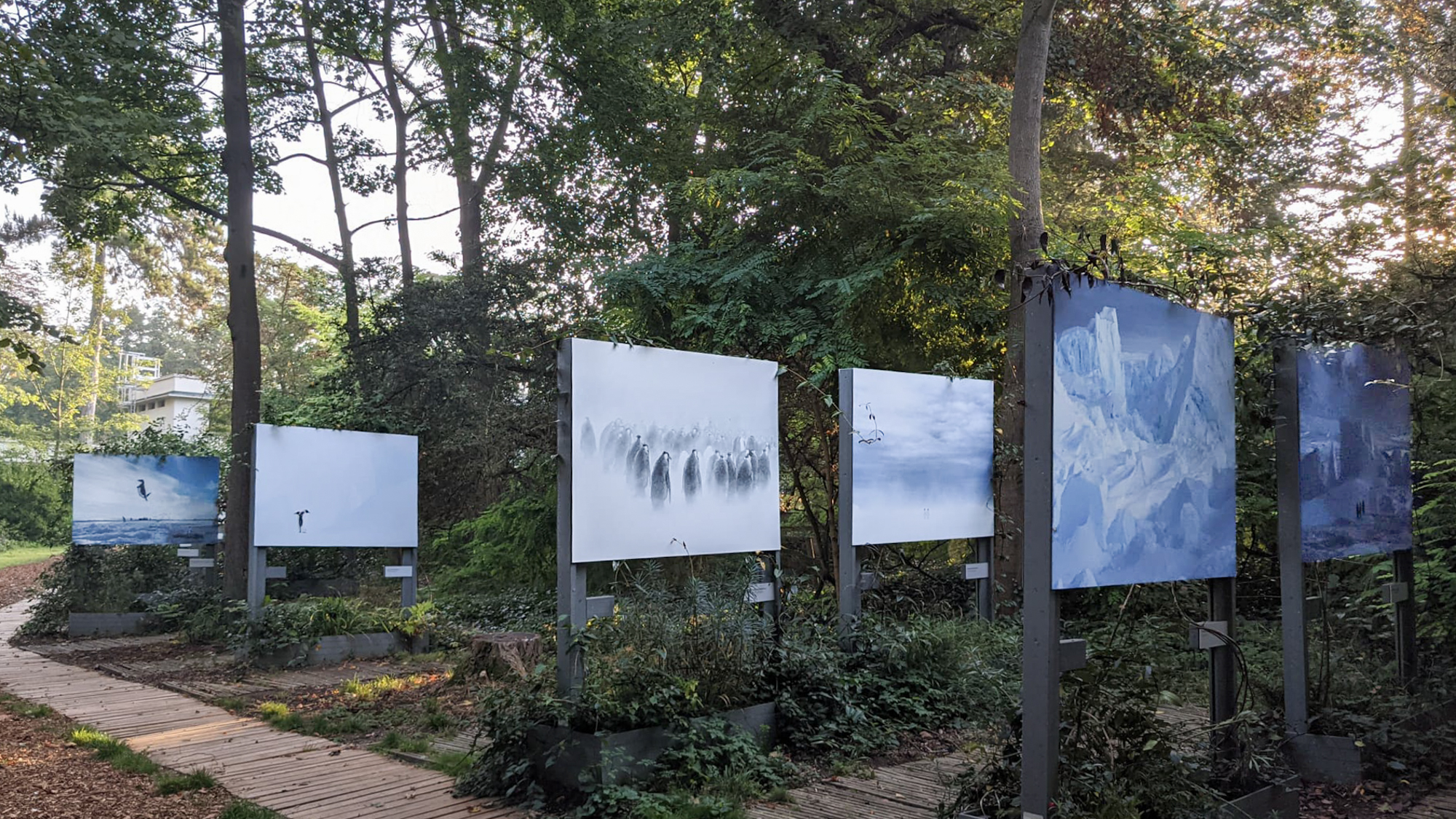
Twenty-six cities in France are hosting large-format photographs by Laurent Ballesta and Vincent Munier. Through their contrasting perspectives, the duality of the Arctic and Antarctic ice caps is revealed: deserted or overpopulated, harmonious or chaotic, silent or deafening. Vincent Munier on the ice and Laurent Ballesta beneath the surface.